
Appendix D - Stimulus materials
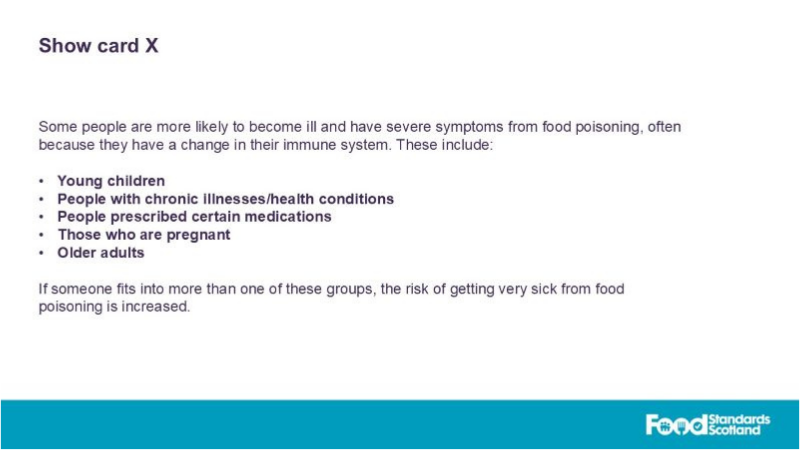
Here is a visual only chart of: Show card X Showcard on Food Standards Scotland template which has the following text: Some people are more likely to become ill and have severe symptoms from food poisoning, often because they have a change in their immune system. These include: - Young children - People with chronic illnesses/health conditions - People prescribed certain medications - Those who are pregnant - Older adults If someone fits into more than one of these groups, the risk of getting very sick from food poisoning is increased.
Please find more information provided in the detailed description and/or table below.
Show card X
Showcard on Food Standards Scotland template which has the following text:
Some people are more likely to become ill and have severe symptoms from food poisoning, often because they have a change in their immune system. These include:
- Young children
- People with chronic illnesses/health conditions
- People prescribed certain medications
- Those who are pregnant
- Older adults
If someone fits into more than one of these groups, the risk of getting very sick from food poisoning is increased.
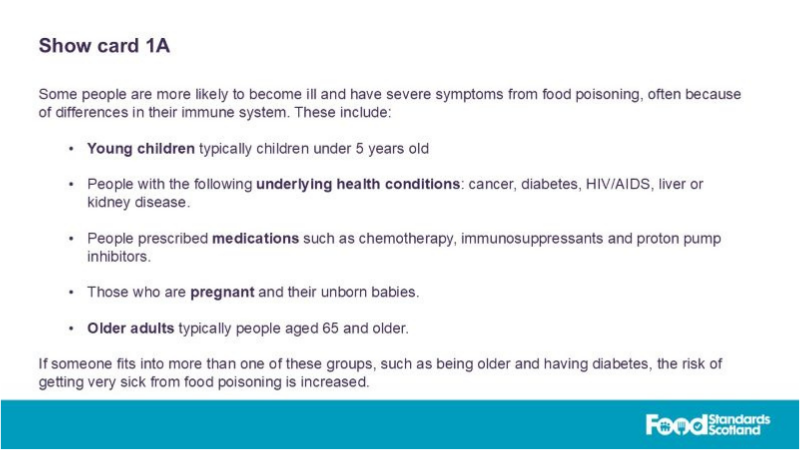
Here is a visual only chart of: Show card 1A Showcard on Food Standards Scotland template which has the following text: Some people are more likely to become ill and have severe symptoms from food poisoning, often because of differences in their immune system. These include: - Young children typically children under 5 years old - People with the following underlying health conditions: cancer, diabetes, HIV/AIDS, liver or kidney disease. - People prescribed medications such as chemotherapy, immunosuppressants and proton pump inhibitors. - Those who are pregnant and their unborn babies. - Older adults typically people aged 65 and older. If someone fits into more than one of these groups, such as being older and having diabetes, the risk of getting very sick from food poisoning is increased.
Please find more information provided in the detailed description and/or table below.
Show card 1A
Showcard on Food Standards Scotland template which has the following text:
Some people are more likely to become ill and have severe symptoms from food poisoning, often because of differences in their immune system. These include:
- Young children typically children under 5 years old
- People with the following underlying health conditions: cancer, diabetes, HIV/AIDS, liver or kidney disease.
- People prescribed medications such as chemotherapy, immunosuppressants and proton pump inhibitors.
- Those who are pregnant and their unborn babies.
- Older adults typically people aged 65 and older.
If someone fits into more than one of these groups, such as being older and having diabetes, the risk of getting very sick from food poisoning is increased.
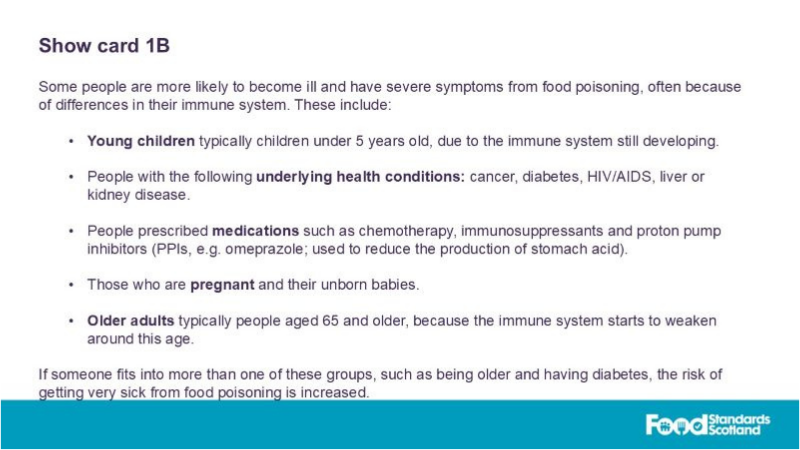
Here is a visual only chart of: Show card 1B Showcard on Food Standards Scotland template which has the following text: Some people are more likely to become ill and have severe symptoms from food poisoning, often because of differences in their immune system. These include: - Young children typically children under 5 years old, due to the immune system still developing. - People with the following underlying health conditions: cancer, diabetes, HIV/AIDS, liver or kidney disease. - People prescribed medications such as chemotherapy, immunosuppressants and proton pump inhibitors (PPIs, e.g. omeprazole; used to reduce the production of stomach acid). - Those who are pregnant and their unborn babies. - Older adults typically people aged 65 and older, because the immune system starts to weaken around this age. If someone fits into more than one of these groups, such as being older and having diabetes, the risk of getting very sick from food poisoning is increased.
Please find more information provided in the detailed description and/or table below.
Show card 1B
Showcard on Food Standards Scotland template which has the following text:
Some people are more likely to become ill and have severe symptoms from food poisoning, often because of differences in their immune system. These include:
- Young children typically children under 5 years old, due to the immune system still developing.
- People with the following underlying health conditions: cancer, diabetes, HIV/AIDS, liver or kidney disease.
- People prescribed medications such as chemotherapy, immunosuppressants and proton pump inhibitors (PPIs, e.g. omeprazole; used to reduce the production of stomach acid).
- Those who are pregnant and their unborn babies.
- Older adults typically people aged 65 and older, because the immune system starts to weaken around this age.
If someone fits into more than one of these groups, such as being older and having diabetes, the risk of getting very sick from food poisoning is increased.
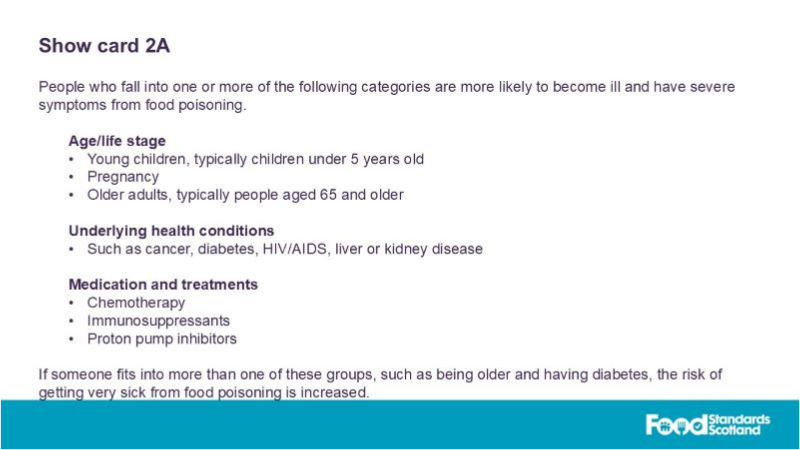
Here is a visual only chart of: Show card 2A Showcard on Food Standards Scotland template which has the following text: People who fall into one or more of the following categories are more likely to become ill and have severe symptoms from food poisoning. Age/life stage - Young children, typically children under 5 years old - Pregnancy - Older adults, typically people aged 65 and older Underlying health conditions - Such as cancer, diabetes, HIV/AIDS, liver or kidney disease Medication and treatments - Chemotherapy - Immunosuppressants - Proton pump inhibitors If someone fits into more than one of these groups, such as being older and having diabetes, the risk of getting very sick from food poisoning is increased.
Please find more information provided in the detailed description and/or table below.
Show card 2A
Showcard on Food Standards Scotland template which has the following text:
People who fall into one or more of the following categories are more likely to become ill and have severe symptoms from food poisoning.
Age/life stage
- Young children, typically children under 5 years old
- Pregnancy
- Older adults, typically people aged 65 and older
Underlying health conditions
- Such as cancer, diabetes, HIV/AIDS, liver or kidney disease
Medication and treatments
- Chemotherapy
- Immunosuppressants
- Proton pump inhibitors
If someone fits into more than one of these groups, such as being older and having diabetes, the risk of getting very sick from food poisoning is increased.
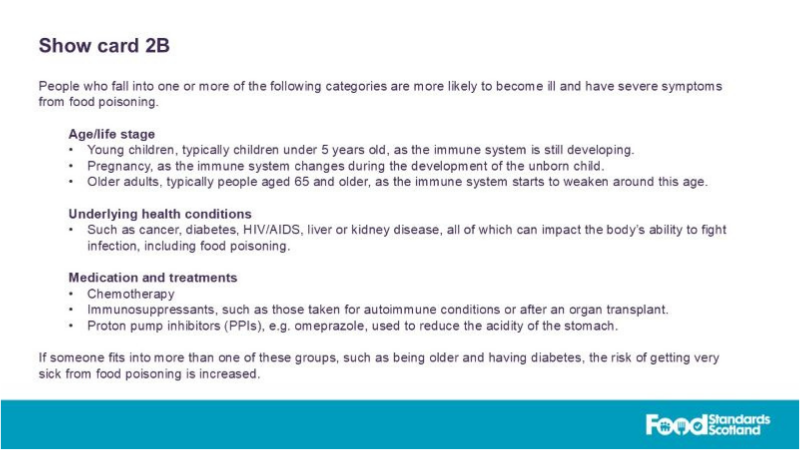
Here is a visual only chart of: Show card 2B Showcard on Food Standards Scotland template which has the following text: People who fall into one or more of the following categories are more likely to become ill and have severe symptoms from food poisoning. Age/life stage - Young children, typically children under 5 years old, as the immune system is still developing. - Pregnancy, as the immune system changes during the development of the unborn child. - Older adults, typically people aged 65 and older, as the immune system starts to weaken around this age. Underlying health conditions - Such as cancer, diabetes, HIV/AIDS, liver or kidney disease, all of which can impact the body’s ability to fight infection, including food poisoning. Medication and treatments - Chemotherapy - Immunosuppressants, such as those taken for autoimmune conditions or after an organ transplant. - Proton pump inhibitors (PPIs), e.g. omeprazole, used to reduce the acidity of the stomach. If someone fits into more than one of these groups, such as being older and having diabetes, the risk of getting very sick from food poisoning is increased.
Please find more information provided in the detailed description and/or table below.
Show card 2B
Showcard on Food Standards Scotland template which has the following text:
People who fall into one or more of the following categories are more likely to become ill and have severe symptoms from food poisoning.
Age/life stage
- Young children, typically children under 5 years old, as the immune system is still developing.
- Pregnancy, as the immune system changes during the development of the unborn child.
- Older adults, typically people aged 65 and older, as the immune system starts to weaken around this age.
Underlying health conditions
- Such as cancer, diabetes, HIV/AIDS, liver or kidney disease, all of which can impact the body’s ability to fight infection, including food poisoning.
Medication and treatments
- Chemotherapy
- Immunosuppressants, such as those taken for autoimmune conditions or after an organ transplant.
- Proton pump inhibitors (PPIs), e.g. omeprazole, used to reduce the acidity of the stomach.
If someone fits into more than one of these groups, such as being older and having diabetes, the risk of getting very sick from food poisoning is increased.
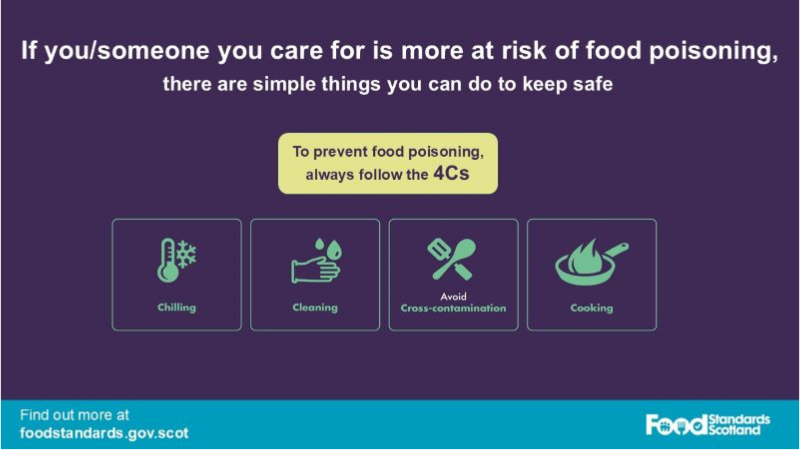
Here is a visual only chart of: Showcard to highlight the 4Cs on Food Standards Scotland template. The text states: "If you/someone you care for is more at risk of food poisoning, there are simple things you can do to keep safe. To prevent food poisoning, always follow the 4Cs." There are 4 images for the 4Cs. 1) Chilling, with a picture of a thermometer. 2) Cleaning, with a picture of washing hands. 3) avoid Cross-contamination, with a picture of kitchen utensils. 4) Cooking, with a picture of a frying pan.
Please find more information provided in the detailed description and/or table below.
Showcard to highlight the 4Cs on Food Standards Scotland template. The text states:
"If you/someone you care for is more at risk of food poisoning, there are simple things you can do to keep safe. To prevent food poisoning, always follow the 4Cs."
There are 4 images for the 4Cs.
- Chilling, with a picture of a thermometer.
- Cleaning, with a picture of washing hands.
- avoid Cross-contamination, with a picture of kitchen utensils.
- Cooking, with a picture of a frying pan.
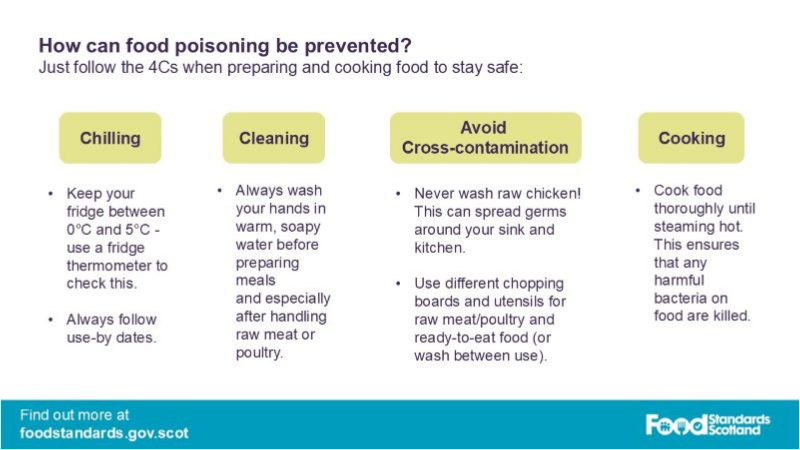
Here is a visual only chart of: Showcard on Food Standards Scotland template which has the following text: How can food poisoning be prevented? Just follow the 4Cs when preparing and cooking food to stay safe. Chilling - Keep your fridge between 0 degrees Celsius and 5 degrees Celsius - use a fridge thermometer to check this. - Always follow use-by dates. Cleaning - Always wash your hands in warm, soapy water before preparing meals and especially after handling raw meat or poultry. Avoid Cross-contamination - Never wash raw chicken! This can spread germs around your sink and kitchen. - Use different chopping boards and utensils for raw meat/poultry and ready-to-eat food (or wash between use), Cooking - Cook food thoroughly until steaming hot. This ensures that any harmful bacteria on food are killed.
Please find more information provided in the detailed description and/or table below.
Showcard on Food Standards Scotland template which has the following text:
How can food poisoning be prevented?
Just follow the 4Cs when preparing and cooking food to stay safe.
Chilling
- Keep your fridge between 0 degrees Celsius and 5 degrees Celsius - use a fridge thermometer to check this.
- Always follow use-by dates.
Cleaning
- Always wash your hands in warm, soapy water before preparing meals and especially after handling raw meat or poultry.
Avoid Cross-contamination
- Never wash raw chicken! This can spread germs around your sink and kitchen
- Use different chopping boards and utensils for raw meat/poultry and ready-to-eat food (or wash between use),
Cooking
- Cook food thoroughly until steaming hot. This ensures that any harmful bacteria on food are killed.