Selling food on social media

Selling food online is operating a food business. The same legal requirements apply as for any other food business.

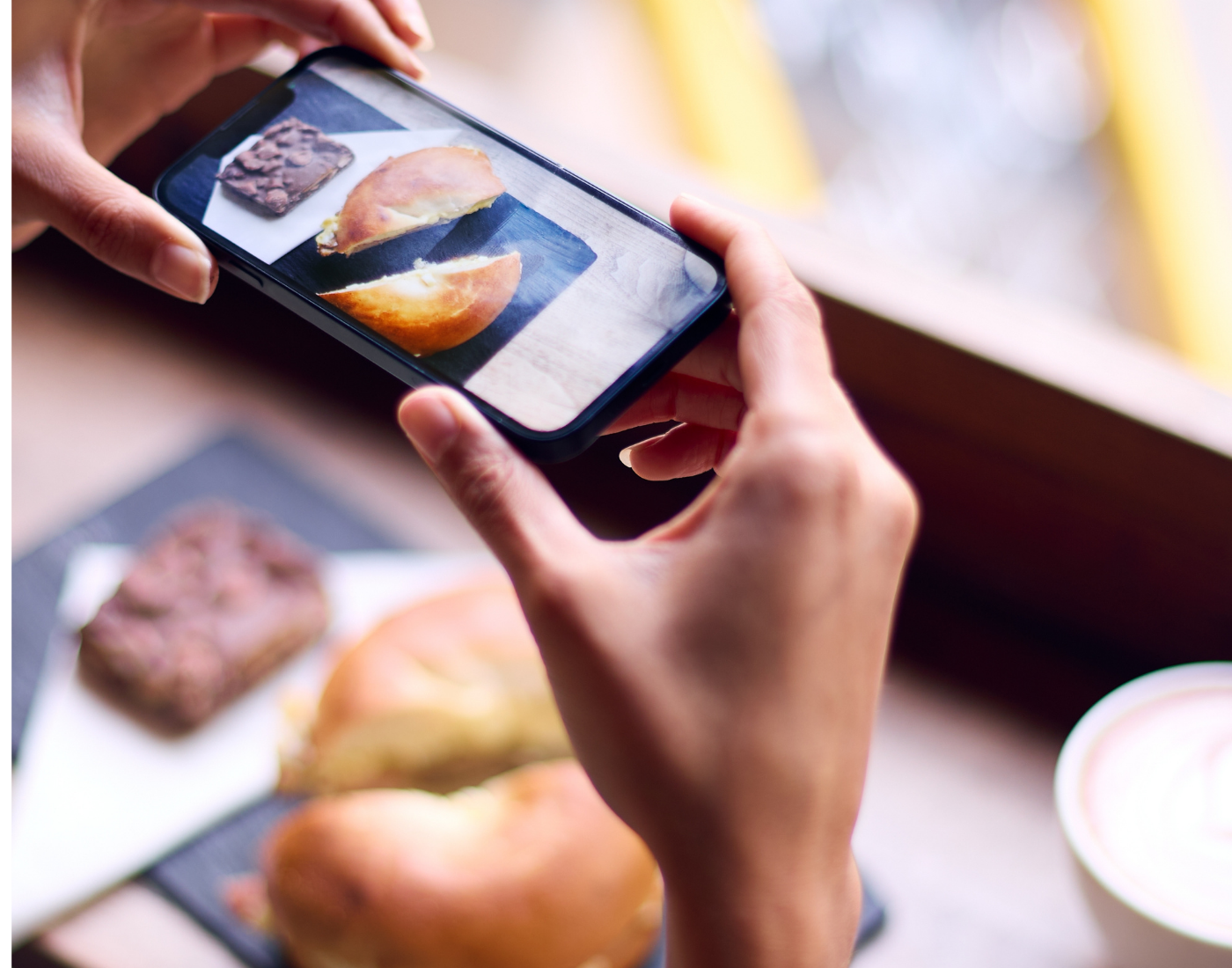
A woman taking a photo of her food using a smartphone

This page is for people who sell food through social media. It explains the key food safety and legal requirements you must meet. Links are provided to additional resources that you may find helpful, and the relevant sections of legislation are signposted in the table at the end.

Selling food online is operating a food business. The same legal requirements apply as for any other food business.

Register your food business

If you sell food or drink online, including via social media, you must register as a food business with your local authority. You can find your local authority here.

Registration is free and should be completed at least 28 days before you begin trading. If you are already operating and have not registered, you should do so as soon as possible. Failure to register is an offence and may result in enforcement action.
You will need to provide details such as a contact phone number and email address so your local authority can contact you directly.

You should clearly state on your social media profile or pages with which local authority your food business is registered. This helps customers identify you as a legitimate business and avoids confusion about which authority is responsible for you.

You must inform your local authority if your business details change, for example:

  • change of address
  • change of activities (e.g., change of type of food produced)
  • closure of the business

Environmental Health and inspections

Your local authority Environmental Health service is responsible for ensuring that food businesses comply with food law.

They may contact you to:

  • discuss your registration
  • arrange an inspection
  • investigate complaints
  • provide advice

If your business operates through social media, officers may review your online content. If they cannot access it, for example in a private or closed group, they may ask you to provide information in another format.

You must respond to requests from Environmental Health and provide any information they require. Failure to do so may lead to formal action.

During an inspection, officers will assess your premises, processes, and records to ensure that food safety requirements are met.

Food hygiene and safety

You must ensure that all food you sell is safe and complies with food law.

This includes:

  • keeping food preparation areas and equipment clean and maintained
  • ensuring that anyone handling food is appropriately trained or supervised
  • preventing contamination during preparation, storage and transport
  • maintaining appropriate temperature control
  • ensuring packaging protects the food and is suitable for its intended use

The above considerations will be part of an appropriate food safety management system based on Hazard Analysis and Critical Control Points (HACCP) which you must have in place to operate. 

Guidance such as CookSafe or RetailSafe can help you put appropriate food safety procedures in place. Your local authority’s environmental health department will be able to assist when developing your food hygiene and safety procedures.   

You must also ensure that any products you sell are compliant with food law. This includes avoiding the sale of foods that are not permitted in the UK or are incorrectly labelled.

Food information, labelling and allergens

You must provide clear, accurate and not misleading information about the food you sell.

Traceability, withdrawal and recall

You must be able to identify where your food and ingredients come from and a record of any businesses supplied with your product. 

It is also good practice to keep:

  • batch information
  • production records
  • details of customers supplied, where possible

If you believe that food you have sold is unsafe (e.g., through customer complaints), you must take immediate action. For example:

  • withdrawing the product from sale
  • informing your local authority
  • informing customers
  • recalling the product if necessary

These actions are essential to protect public health. Further guidance on traceability, withdrawals and recalls is available. You might also consider signing up to received Food alerts/recalls and news from FSS to ensure you are aware of current issues. 

Additional information

Key legal requirements relevant to selling food on social media are summarised below.

RequirementKey legislation
Food business registrationRegulation (EC) No. 852/2004, Article 6
General food safety (unsafe food must not be placed on the market)Regulation (EC) No. 178/2002, Article 14
Food safety management procedures (HACCP-based)

Regulation (EC) No. 852/2004, Article 5


Hygiene requirements (premises, transport, equipment)     

Regulation (EC) No. 852/2004, Annex II


TraceabilityRegulation (EC) No. 178/2002, Article 18
Withdrawal and recallRegulation (EC) No. 178/2002, Article 19
Food information to consumers (including allergens)

Regulation (EU) No. 1169/2011


For further guidance, contact your local authority Environmental Health team.

Did you find this helpful? We would love to hear from you.
Thank you for your feedback!