People who are at higher risk of food poisoning

Anyone can get food poisoning. However, some people are more likely to become very unwell from it.

Although anyone can get food poisoning, some people are at higher risk of becoming seriously unwell, which can lead to serious health problems or hospitalisation. This is usually due to a difference in their immune system or because of medicines they are taking.

People in the following groups are more likely to become ill and have severe symptoms from food poisoning.
Age or life stage

  • Young children, typically children under 5 years old, as the immune system is still developing.
  • Pregnancy, as the immune system changes during the development of the unborn child.
  • Older adults, typically people aged 65 and older, as the immune system starts to weaken around this age.

Underlying health conditions

  • Such as cancer, diabetes, HIV, and liver or kidney disease, all of which can impact the body’s ability to fight infection, including food poisoning. 

Medication and treatments

  • Chemotherapy, which can weaken the immune system.
  • Immunosuppressants, such as those taken for autoimmune conditions or after an organ transplant, which impact the immune system.
  • Prescribed medications that reduce the acidity of the stomach, such as proton pump inhibitors (PPIs) like omeprazole.

If someone fits into more than one of these groups, such as being older and having diabetes, the risk of becoming very unwell from food poisoning is higher.

If you or someone you care for falls into a higher risk category, it’s important to continue taking prescribed medicines and make sure to follow recommended food safety advice.

Speak to your doctor, pharmacist or another healthcare professional if you have concerns.

What should I do if I or someone I care for is in a higher risk category?

Everyone should follow the 4Cs when preparing food and follow use-by dates. If you or someone you care for is at higher risk of food poisoning, it is important to be extra careful when preparing food.

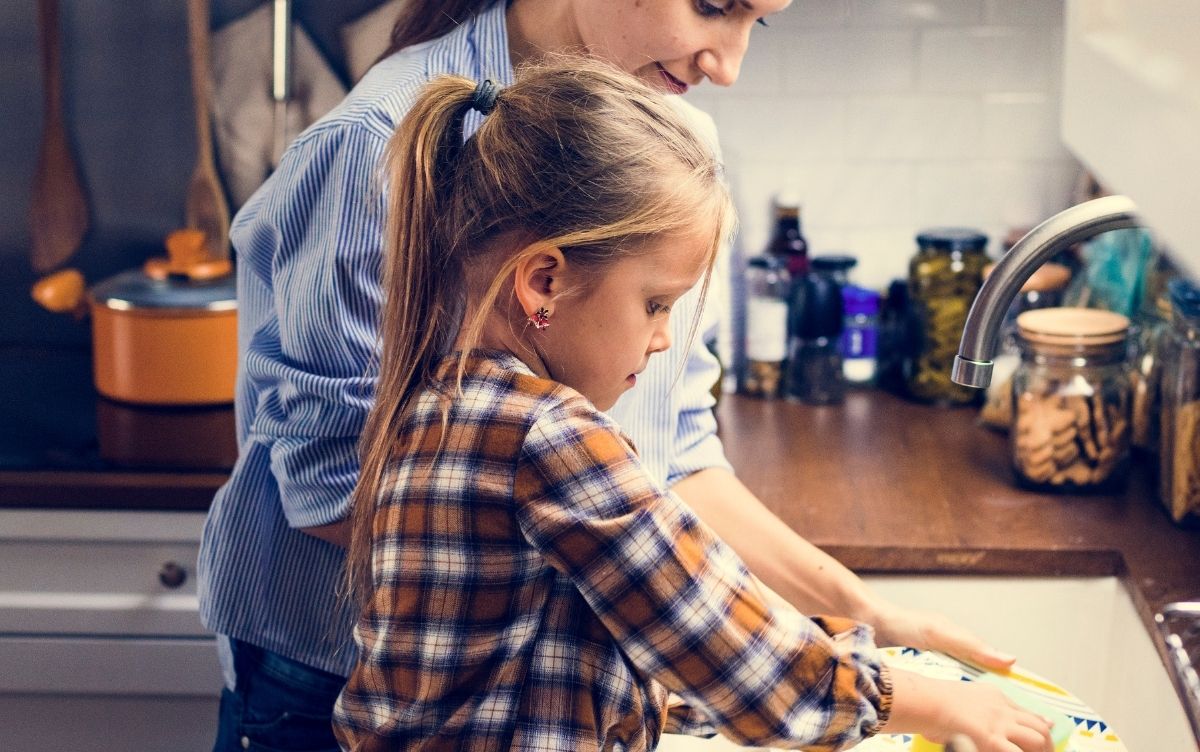
mum and daughter washing dishes at a sink

Cleaning

Keep your hands, kitchen surfaces and equipment clean.

Learn more about cleaning
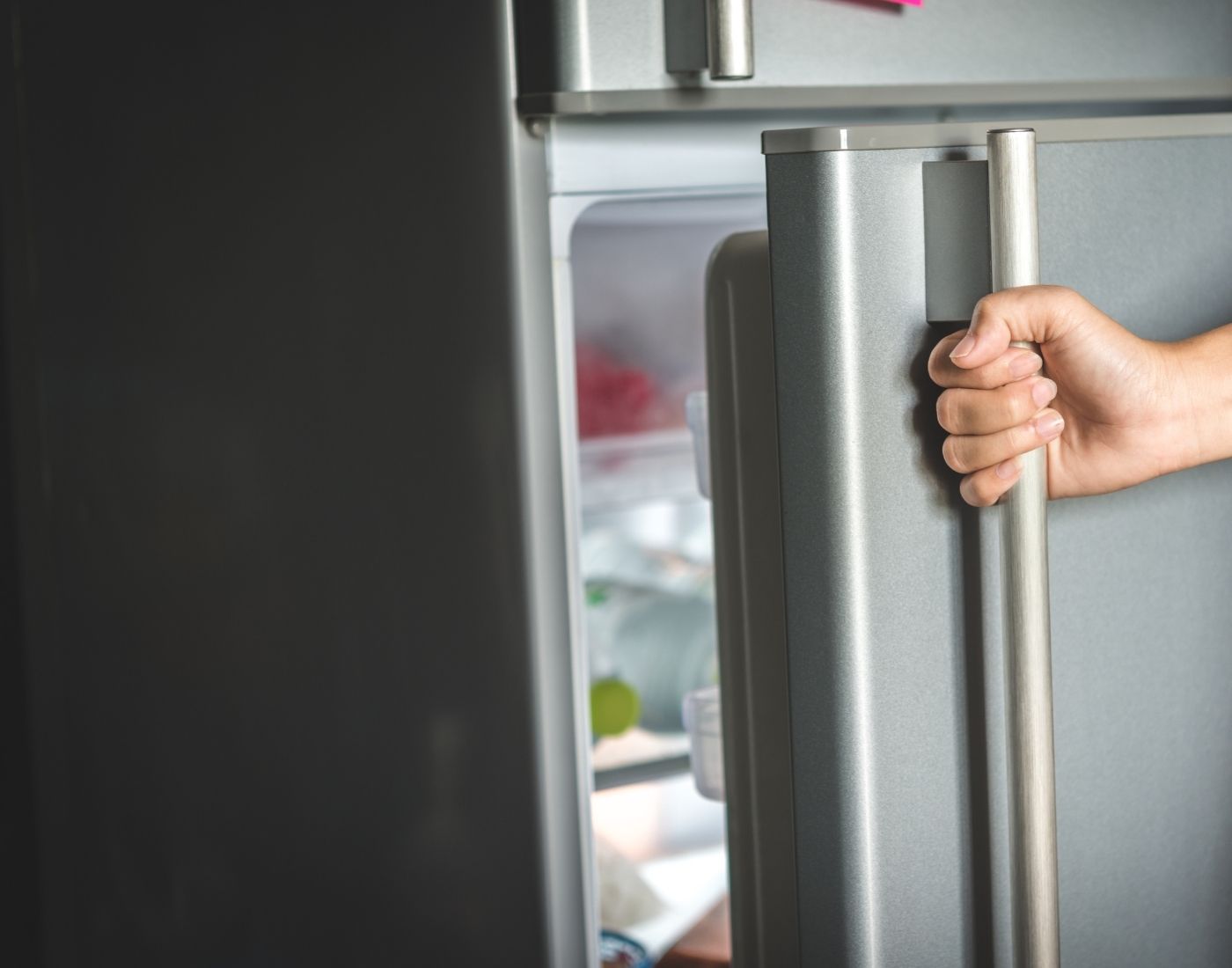
A hand opening a fridge door

Chilling

Follow correct practice for defrosting and storing food, and check your fridge temperature.

Learn about chilling food properly
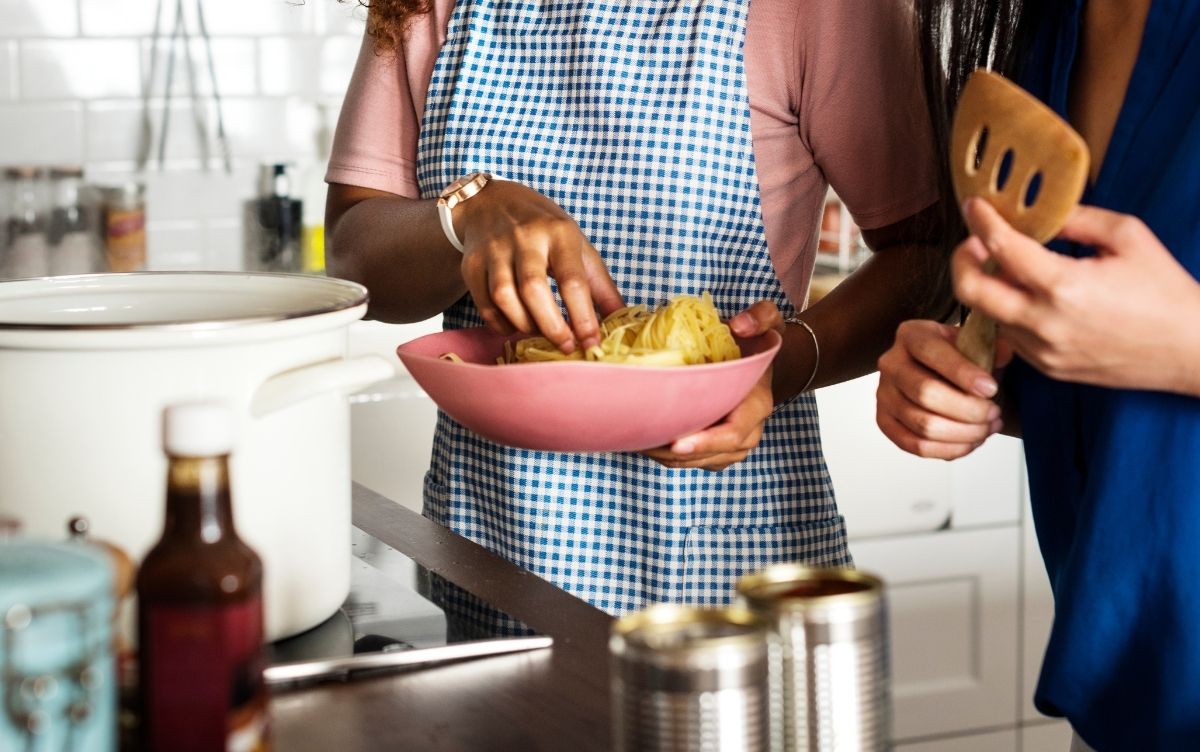
Two people cooking in a kitchen, one stirring a bowl of pasta and the other holding a spatula. Various cooking items and a slow cooker are visible on the counter.

Cooking

Make sure food is cooked all the way through.

Learn about cooking food properly
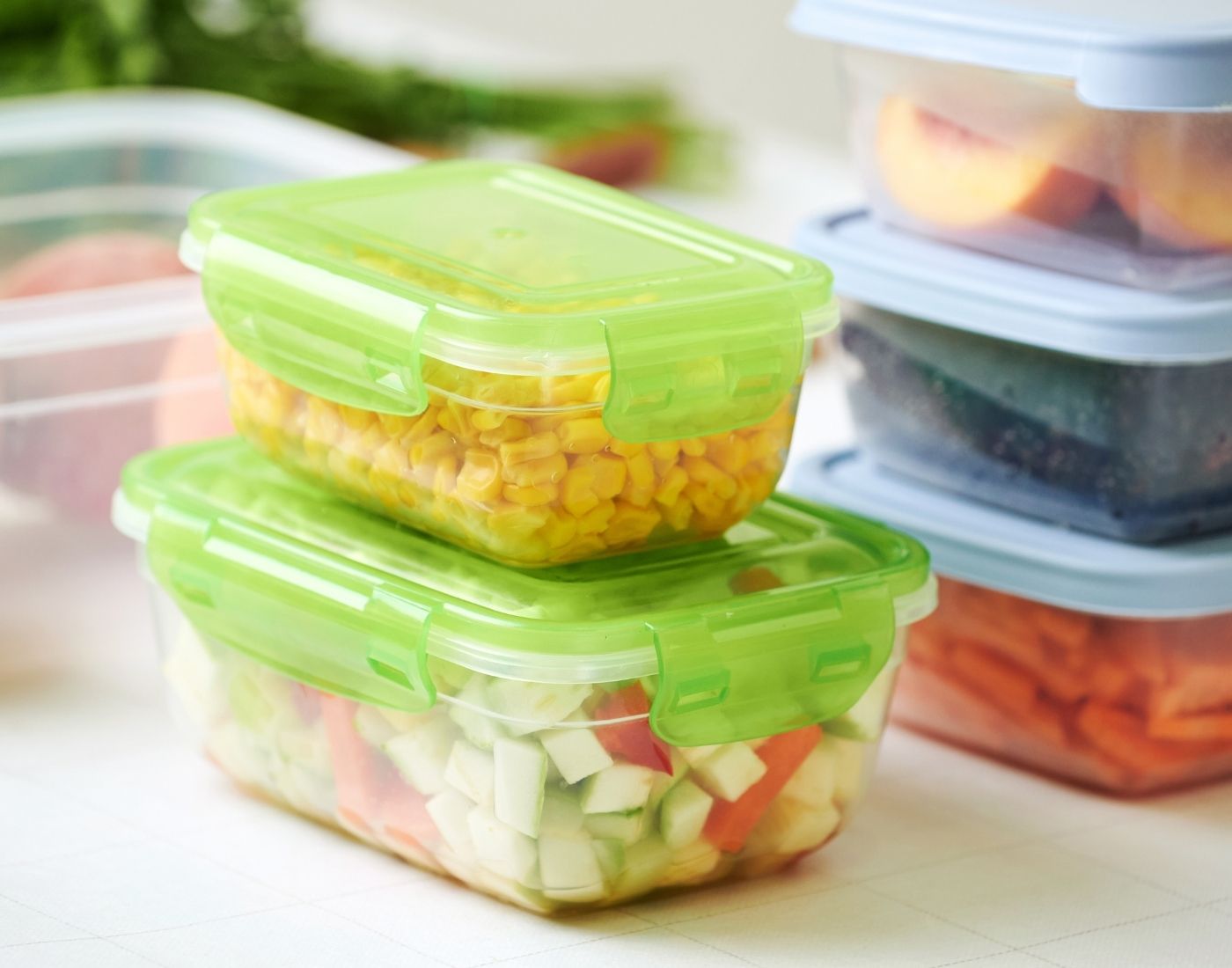
Food stored in separate containers to prevent cross contamination

avoid Cross-contamination

Make sure germs from raw food, such as meat, do not spread to cooked food.

Learn about preventing cross-contamination

Is there any specific food safety advice I should be aware of?

In most circumstances, there are simple safer food swaps you can make so you can still eat a wide range of nutritious foods without restricting your diet.

Did you find this helpful? We would love to hear from you.
Thank you for your feedback!