
Underlying vulnerable conditions and foodborne illness
Underlying vulnerable conditions and prevalence of foodborne illness
Vulnerability of populations change over the human lifespan and differs at different stages of life. Vulnerable populations often include infants, ageing adults, pregnant individuals, individuals with chronic illnesses, those that receive medications for various genetic and chronic conditions, and all individuals with compromised immune systems, such as those with diabetes or HIV/AIDS (FAO; & WHO;, 2022; Gillespie et al., 2006). Socioeconomic factors, including poverty, homelessness, and limited access to healthcare, can also contribute to vulnerability (Newman et al., 2015; Quinlan, 2013). In addition, the risk of foodborne infections may be elevated due to the unknown individual genetic factors affecting their immune systems and the composition of their intestinal microbiomes (Klebanov, 2018).
The results presented in this section consolidate the information collected in the literature review, consolidation of Scottish data and review of foodborne illness prevalence among clinically vulnerable groups, to provide the context and physiological background that makes the groups clinically vulnerable and synthesise the existing disease prevalence information for the pathogens of interest according to each of the clinically vulnerable groups without the insights into the behavioural and socioeconomic aspects of foodborne disease vulnerabilities.
Consolidation of Scottish data
The incidence of foodborne illness varies with age. Data detailing prevalence of the five pathogens of interest in Scotland among children and older adults were available (Table 2).
Table 2 summarises the data obtained from Public Health Scotland and Food Standards Scotland and provides context regarding the frequency of the underlying condition or clinically vulnerable group within the Scottish population (5,436,600 as reported in Scotland's Census (2023)).
Breakdown of data among clinically vulnerable groups other than older adults and children for all pathogens were not available. Data detailing E. coli and norovirus were particularly lacking in relation to the clinically vulnerable groups. Prevalence of listeriosis among clinically vulnerable groups was most frequently available.
Table 2
Studies included in the systematic review
As described in the systematic review of foodborne illness prevalence among clinically vulnerable groups section, to supplement and complement the data obtained from Scotland (Table 2), a total of 138 studies were reviewed. Most studies originated from the US (27%) and UK (14%), with other studies coming from Australia (7%), Canada (6%) and various European countries (Table 3).
Table 3
| Country | n | % |
|---|---|---|
| United States | 36 | 27% |
| United Kingdom | 22 | 14% |
| Australia | 9 | 7% |
| Canada | 8 | 6% |
| Poland | 8 | 6% |
| Italy | 7 | 5% |
| Spain | 7 | 5% |
| France | 6 | 4% |
| Netherlands | 6 | 4% |
| New Zealand | 6 | 4% |
| Switzerland | 4 | 3% |
| Denmark | 3 | 2% |
| Germany | 3 | 2% |
| Ireland | 3 | 2% |
| Finland | 2 | 1% |
| Portugal | 2 | 1% |
| Romania | 2 | 1% |
| Latvia | 1 | 1% |
| Norway | 1 | 1% |
| Lithuania | 1 | 1% |
| Turkey | 1 | 1% |
As indicated in Table 4, L. monocytogenes was the most frequently included pathogen (58 studies) whilst norovirus was only included in 11 of the reviewed studies. Forty-eight studies included data detailing Salmonella, 37 included data detailing E. coli, whilst 25 included data on Campylobacter. It is worth noting that the four pathogens of interest are notifiable organisms in the countries listed, while norovirus is not notifiable other than in Scotland, Ireland, and Canada, a table indicating notifiable organisms by country can be seen in Appendix 6.
Older adults and children were the two clinically vulnerable groups that were most frequently included in 84 and 72 of the studies, respectively. Pregnancy-associated cases were included in 37 studies whilst cancer and rheumatoid arthritis were included in 29 studies each.
Table 4
| Clinically vulnerable groups | L. monocytogenes | Salmonella | E. coli | Campylobacter | Norovirus |
|---|---|---|---|---|---|
| Pregnancy (n=37) | 37 | 0 | 0 | 0 | 0 |
| Children (n=72) | 12 | 34 | 21 | 22 | 3 |
| Older adults (n=84) | 49 | 21 | 11 | 9 | 2 |
| Proton pump inhibitors (n=11) | 5 | 3 | 0 | 4 | 0 |
| Rheumatoid Arthritis (n=29) | 6 | 2 | 0 | 0 | 0 |
| Diabetes (n=20) | 19 | 1 | 0 | 0 | 0 |
| IBD/IBS/Crohn's (n=4) | 3 | 0 | 0 | 1 | 0 |
| Cancer/cancer treatment (n=29) | 27 | 2 | 0 | 0 | 0 |
| HIV/AIDS (n=10) | 8 | 2 | 0 | 0 | 0 |
| Alcohol use disorder (n=12) | 11 | 10 | 0 | 0 | 0 |
| Transplant recipients (n=9) | 7 | 1 | 0 | 1 | 0 |
| Total (n=138) | 58 | 48 | 37 | 25 | 11 |
Where data exist, prevalence data for the five foodborne pathogens of interest are presented in tabular format according to each clinically vulnerable group:
- Pregnant individuals and neonates as clinically vulnerable groups to foodborne illness
- Children as a clinically vulnerable group
- Older adults as a clinically vulnerable group
- People using proton pump inhibitors (PPI) as a clinically vulnerable group
- People with rheumatoid arthritis as a clinically vulnerable group
- People with diabetes mellitus as a clinically vulnerable group
- People with inflammatory bowel disease as a clinically vulnerable group
- People with cancer as a clinically vulnerable group
- People with HIV/AIDS as a clinically vulnerable group
- People with alcohol use disorders as a clinically vulnerable group
- Transplant recipients as a clinically vulnerable group
Note that not all studies included in the review provided prevalence data (for example, some only reported incidence data), therefore the number of prevalence studies shown in the table may be fewer than the total number of studies cited as referring to the pathogen for that clinically vulnerable group.
In addition to capturing data detailing the prevalence of foodborne illness among the clinically vulnerable groups, incidence rates were extracted from reviewed studies for the five pathogens according to the clinically vulnerable groups as presented in Table 5. Incidence rates were more widely available for L. monocytogenes, than for other pathogens. Incidence rates are discussed in more detail in sections relating to to each clinically vulnerable group.
Table 5
Pregnant individuals and neonates as clinically vulnerable groups to foodborne illness

Hormonal changes during pregnancy instigate immunological modulation aimed at the growth and delivery of a healthy baby (Fuhler, 2020). However, the immune system reconfiguration does not necessarily imply that the immune function has been muted or that pregnant individuals have increased susceptibility to foodborne illness. The immune system in pregnancy is modulated to protect the host from infections and simultaneously to facilitate and protect the pregnancy. It is appropriate to refer to pregnancy as a unique immune condition that is modulated, but not suppressed. Host immune responses are dependent on the stage of pregnancy and on the pathogen (Entrican, 2002).
At implantation, the maternal immune system is active and fully functional. Over the course of pregnancy, as the foetus is growing, the immune system adapts to accommodate each phase of foetal development. The interactions between the maternal immune system and the foetus are complex, reinforcing the recognition, communication, trafficking, and repair by the immune cells. Pregnancy is a unique immune condition that is modulated, but not suppressed (Mor & Cardenas, 2010).
The maternal immune system relies on cell-mediated responses to fend off infections (Orefice, 2021), this response is pathogen specific. Pathogens contain unique molecules referred to as pathogen-associated molecular patterns which include lipopolysaccharides (LPS) of Gram-negative bacteria, peptidoglycan of Gram-positive bacteria and flagellin (Orefice, 2021). Pathogens with an intracellular life cycle like L. monocytogenes are engulfed by epithelial cells and multiply in the host cell cytoplasm. From there, the pathogen breaches the cell wall and moves onto the adjacent cells, bypassing antibodies, neutrophils, or any potential antibiotics in the extracellular fluid (Turvey & Broide, 2010). L. monocytogenes crosses the placental barrier, impacting the foetus. Neonatal listeriosis is almost always acquired in utero (Marquis et al., 2015).
In 2020, nearly half (47%) of all under-5 mortalities occurred among newborns. Infectious diseases (WHO, 2022), with gastrointestinal infections being the leading cause, accounted for 25% of fatalities during this period of life (Semmes et al., 2020). A child is born with an immature innate and adaptive immune system, which develops and acquires memory as the child grows.
The first 28 days of life, referred to as the neonatal period, account for one half of infection-caused deaths globally (WHO, 2022). The innate immune system provides an early first line of defence against human pathogens and is orchestrated by non-specific cells such as monocytes/macrophages, neutrophils, and dendritic cells. These cells develop and mature during foetal life, but at different times (Simon et al., 2015). While macrophage levels are supplemented to some extent by breast milk, a newborn’s immune system cannot produce the large number of neutrophils required quickly enough to fight off infection from human pathogens. By the time sufficient neutrophil levels are reached, the baby will likely require medical attention. Newborns typically grow out of this vulnerability by two months of age. Infants up to 12 months of age still have a limited ability to mount robust immune responses, as their immature immune systems are under development. The reduced capability of simultaneous production of multiple cytokines upon immune stimuli persists throughout infancy (Georgountzou & Papadopoulos, 2017).
Adaptive immunity, which involves specialised antigen presenting cells, T-cells, and B-cells, (Chaplin, 2010) is naive in newborns and cannot recognise pathogens for a quick cellular response. T-cell dependent B-cell activation is not efficient due to diminished T-cell priming, and it takes longer for T-cells to produce cytokines to direct the immune response. The levels of cytotoxic T-cells that are needed for killing infected cells are low, correlating to low antibody production and poor responses to foreign antigens (Children's Hospital of Philadelphia, 2019). B-cell responses that are activated by LPS or repeating proteins found on the surface of pathogenic bacteria are diminished in newborns which directly results in increased susceptibility to bacterial infections, such as meningococcus, pneumococcus or those caused by Mycobacterium tuberculosis and Salmonella spp. (Simon et al., 2015).
Infections in neonates and infants are more likely to develop into a severe disease, often resulting in fatality. For instance, among all cases of listeriosis resulting in meningitis in the Netherlands from 1976-1995, neonates developed neurological sequelae significantly more often than older individuals (Aouaj et al., 2002). Foodborne pathogens that are often linked to infections in neonates include L. monocytogenes, Salmonella, and E. coli. Newborns receive a degree of immunity from their mothers, primarily through the transfer of antibodies across the placenta during pregnancy and through breast milk. Therefore, formula fed infants are more prone to gastrointestinal infections leading to a higher incidence of diarrhoea (Frank et al., 2019; Tampubolon & Ronny, 2021). Technological developments in baby formula design have been underway to mitigate the shortcomings of current products available on the market (Bakshi et al., 2023).
Pregnant individuals and neonates in Scotland
There were 44,557 maternities (a pregnancy ending in a live or stillbirth) in Scotland in 2022/23, at a rate of 43.2 per 1,000 women aged 15-44 years (Public Health Scotland & National Statistics, 2023a). Rates of maternal obesity and diabetes are increasing in Scotland, with over a quarter (27.9%) and nearly a tenth (9.3%) of maternities now affected by obesity and diabetes, respectively (Public Health Scotland & National Statistics, 2023a), these trends raise important concerns regarding comorbidities for susceptibility to foodborne illnesses. For example, the proportions of preterm delivery is increased among pregnant individuals with diabetes (Mackin et al., 2018), and infection is a significant clinical problem in preterm infants, who have significantly elevated risk of developing and succumbing to infections due to underdeveloped innate and adaptive immune systems (Collins et al., 2018). Gestational diabetes presents a similar risk to foodborne illness as diabetes among non-pregnant individuals.
There were 3,782 live babies born prematurely in 2022/23 which is equivalent to 8.4% of all live born babies. The vast majority (86%) of these were born between 32 – 36 weeks gestation (Public Health Scotland & National Statistics, 2023a).
Prevalence of foodborne illness among pregnant individuals and neonates
As indicated in Table 6, data regarding pregnancy associated cases of foodborne illness other than L. monocytogenes, were lacking both in the data obtained from Scotland and in the systematic review of prevalence studies.
Table 6
| Pathogen | Prevalence data (percentage of cases that were reported to be pregnancy associated cases) |
|---|---|
| L. monocytogenes |
|
| Salmonella | No data available |
| E. coli | No data available |
| Campylobacter | No data available |
| Norovirus | No data available |
L. monocytogenes among pregnant individuals and neonates
Of the 166 confirmed cases of listeriosis in Scotland between 2012 – 2022, 4% were pregnancy associated cases (Public Health Scotland, no date). Although Public Health Scotland recognise that pregnant individuals, unborn and newly delivered infants are vulnerable to foodborne illness, in line with reporting in the rest of the UK and Europe, pregnancy associated cases are counted as one case, even when both the mother and infant are positive (Health Protection Scotland, 2020).
A total of 37 studies included data detailing the occurrence of foodborne illness among pregnant individuals, all of these were in relation to L. monocytogenes. As indicated in Table 6, the reviewed studies suggested that between 3% of listeriosis cases in Denmark (Jensen et al., 2010) and Latvia (Berzins et al., 2009) and up to 23% of cases in Spain (Vallejo et al., 2022) were pregnancy associated cases. In France, the proportion of maternal-neonatal cases has declined significantly from 51% in 1987 to 24% in 1997 (Goulet et al., 2006).
Many studies indicate that there were no maternal fatalities from listeriosis (Filipello et al., 2017; Herrador et al., 2019; Jackson et al., 2010; OzFoodNet Working, 2012; Vallejo et al., 2022), however, the potential severity of listeriosis was highlighted with studies reporting that due to foetal death, miscarriage or stillbirth, only 44 – 79% of pregnancy associated listeriosis cases resulted in a live birth (Antal et al., 2007; Ashbolt et al., 2002; Awofisayo et al., 2015; Dalton et al., 2011; Gori et al., 2020; Jackson et al., 2010; Pohl et al., 2019; UK Health Security Agency, 2023; Voetsch et al., 2007). These often occurred in the second trimester of pregnancy (Doorduyn, de Jager, et al., 2006). In Australia, the median foetal gestational age at diagnosis was 35 weeks (range 18-40w) with deaths occurring between 18 and 32 weeks (Dalton et al., 2011), thus suggesting that mortality is highest among preterm neonates.
As indicated in Table 5, incidence rates for listeriosis were reported per 100,000 births in Italy, Australia and New Zealand, which were 4.3, 4.7, and 12.3 respectively (Filipello et al., 2017; Jeffs et al., 2020; OzFoodNet Working, 2004) In the US, France and Spain, incidence was recorded by 100,000 pregnancies, which were 3.7, 5.6, and 7.2 respectively (Goulet et al., 2012; Herrador et al., 2019; Pohl et al., 2019).
Salmonella, E. coli, Campylobacter and Norovirus among pregnant individuals and neonates
No data were available from Scotland or from reviewed studies regarding the occurrence of Salmonella, E. coli, Campylobacter, and norovirus among pregnant individuals. Although no data were captured regarding prevalence of other foodborne pathogens among pregnant individuals, the absence of data does not equate to absence of occurrence.
Children as a clinically vulnerable group

The immune system in children aged one and older is not fully developed. In this immune development period, the immune system's functional capacity is limited, with limited ability to generate a protective cellular and humoral response, leading to increased susceptibility to infectious diseases. As children age, they are exposed to infectious agents, antigen-specific cells expand massively in frequency and mature from highly proliferative naive cells into less proliferative effector and memory cells (Weyand & Goronzy, 2016).
The maturation of the immune system occurs in parallel with other processes, including exposure to food antigens, acquisition of the microbiome and introduction of different environmental pathogens (Hill et al., 2020). The cumulative influence of environmental exposure and an individual’s genetics, shape the human immune system. By about age five, the incidence of infectious diseases decreases in the population (Brodin et al., 2015). While the age of adolescence is generally considered to be the age of immune system maturation, it is important to emphasise the variations in immune systems in individuals across the lifespan.
A study investigating 54 distinct immunological parameters among 675 individuals aged 2-85 over time, concluded that there was a high degree of variation in the immunological profiles of healthy individuals (Carr et al., 2016). Genetic factors accounted for ~25-50% of measured immunological variation (De Jager et al., 2015), and the local environment was shown to be a key factor in shaping the human immune system. The impact of environmental exposure to human pathogens is increased in children due to their developing behaviour (Ziehm et al., 2015). For instance, oral sensory seeking behaviour contributes to the risks of infection.
Children in Scotland
The population of Scotland was estimated to be 5,436,600 on Census Day 2022, 16.1% of the population were children aged ≤15 years, and 247,100 of the population were aged ≤5 years, representing 4.5% of the population (National Records of Scotland, 2023b).
Prevalence of foodborne illness among children
Data on the prevalence of all five foodborne pathogens among children aged ≤5 years in Scotland were available (Table 2). In addition to this, more than half of the reviewed studies (72 out of 138) included data regarding children. The age categories for children varied and included 1–17 years, <6 years, <5 years, <4 years, <3 years, <2 years, and <1 years, which makes direct comparison challenging.
Table 7
| Pathogen | Prevalence data (percentage of cases that were reported among children) |
|---|---|
| L. monocytogenes |
|
| Salmonella |
|
| E. coli |
|
| Campylobacter |
|
| Norovirus |
|
L. monocytogenes among children
Of the 166 listeriosis cases reported between 2012 – 2022 in Scotland, 4% were aged 0-4 years (Public Health Scotland, no date) (Table 2).
Prevalence of listeriosis among children was only included in 12 of the reviewed studies, as indicated in Table 7. These studies reported that prevalence, like that observed in Scotland, were low among children with 1% of bacteraemia cases in the US among children aged 1-17 years (Silk et al., 2012) and 4% of all listeriosis cases in Latvia among children aged <6 years (Berzins et al., 2009). Wilking et al. (2021) reported that listeriosis among adolescents and children (other than newborns) in Germany is rare. Whereas data from Italy suggested 18% of listeriosis cases were among children aged <5 years (Colarusso et al., 2022).
As indicated in Table 5, the incidence rates of listeriosis among children ranged between 0.28/100,000 for children aged <5 years in Italy (Colarusso et al., 2022), whereas in the US rates of 1.7/100,000 for children aged <5 years (Barkley et al., 2016) and 1.9/100,000 for children aged <1 year (Vugia et al., 2002) were reported.
Salmonella among children
The proportion of laboratory reports per age band varied little between 2013 and 2017, with the 0-4 age band consistently recording the highest proportion. Of the 3,726 laboratory confirmed cases of Salmonella during the 4-year period, 14% were among children aged 0-4 years, this was the highest proportion by age band. The 5-9 years and 10-14 years age bands were much lower with 5% and 4% of cases respectively (Public Health Scotland, Unpublished-d).
In Scotland, the hospitalisation proportion was higher in children aged 0-4 years (24%) and 5-9 years (22%) compared to older children aged 10-14 (13%) and 15-19 years (14%). The rate for Salmonella in Scotland was highest in the 0-4 age band with a rate of 38.3 per 100,000 for males and 33.4 per 100,000 for females (Public Health Scotland, Unpublished-d)
Salmonella was the pathogen most frequently associated with children, with 34 studies providing data regarding salmonellosis among children as indicated in Table 7. The incidence of Salmonella was reported to be highest among children aged <5 years (Crim et al., 2014). The proportion of all Salmonella cases that occurred among children aged <5 years ranged from 27% in the US (Boore et al., 2015) to 52% in Spain (Sala Farre et al., 2015). It was estimated that 10% of illnesses, 20% of hospitalisations and 8% of deaths from Salmonella in the US were among children aged <5 years (Scallan et al., 2013).
The incidence rate of Salmonella in the reviewed studies varied according to age group, for example the incidence rate among children aged <2 years was 207 per 100,000 (Sadkowska-Todys & Czarkowski, 2015), while children aged <5 years was 45 per 100,000 (Boore et al., 2015) and 98.2 per 100,000 among children aged <14 years (Mughini-Gras et al., 2012).
E. coli among children
In Scotland, 18% of 3,358 laboratory confirmed cases of E. coli O157/non-O157 STEC between 2012 – 2023 were among children aged 0-4 years (Public Health Scotland, Unpublished-a). During 2019, STEC infection rates in Scotland were reported to vary across the population, with overall higher rates observed in children aged <5 years. Children aged <16 years accounted for 33% of cases. Children aged <5 years had the highest rate of E. coli O157 infection, 9.0 per 100,000 population and 11.6 per 100,000 population for non-O157 STEC (Public Health Scotland, 2020).
Twenty-one of the reviewed studies included prevalence of E. coli among children (Table 7). A number of these studies reported that the highest proportion of E. coli cases were among young children (Adams et al., 2016; Cleary et al., 2021; Crim et al., 2014; Gould et al., 2013; Jeffs et al., 2018; Jones et al., 2023; Rodwell et al., 2022; Rodwell et al., 2023; Vrbova et al., 2012). Of E. coli cases, prevalence among children aged 0-4 years ranged from 24% in the US (Hadler et al., 2018) and 25% in the Netherlands (Duynhoven et al., 2002) with up to 40% in England (Rodwell et al., 2023) and Ireland (Cleary et al., 2021) among children aged 0-5 years. Data from France reported that 62% of cases were among children aged <3 years (Jones et al., 2023) while data from Switzerland reported that 77% of cases were among children aged <10 years. Reviewed studies suggested that the incidence rate of E. coli was significantly higher among the 0-4 age group at 3.90 per 100,000 population (95% 3.21-4.58) than any other age group (Adams et al., 2019).
Campylobacter among children
A total of 30,196 confirmed cases of Campylobacter were reported in Scotland between 2013 – 2017, of which 5% were among children aged 0-4 years, fewer were reported among children aged 5-9 years (2%) and 10-14 years (2%) (Food Standards Scotland, 2020a). The hospitalisation rates for Campylobacter in Scotland among children aged 0-4 years was 18%, 5-9 years was 15% and 10-14 and 15-16 years were 11% (Food Standards Scotland, 2020a).
Research from Scotland suggested that the 5-14 years age group was found to have the greatest exposure to Campylobacter risk factors, the 0-4 years age group had the greatest number of cases and the 5-14 years age group the least, indicating that greater exposure does not necessarily result in higher disease incidence. This suggests that those aged 0-4 years are more susceptible to infection due to low immunity or due to behavioural factors (MacRitchie et al., 2013).
Of the reviewed studies, 22 included data regarding campylobacteriosis among children. Most studies reported incidence of Campylobacter to be highest among children aged 0-4 years (Baker et al., 2007; Colarusso et al., 2022; Crim et al., 2014; Doorduyn et al., 2010; Gordat et al., 2021; Jeffs et al., 2018, 2019; John et al., 2022; OzFoodNet Working, 2004, 2012; Sala Farre et al., 2015; Sorokin et al., 2007; Spencer et al., 2012; Vrbova et al., 2012; Vugia et al., 2002), with prevalence data indicating 56-74% of Campylobacter cases in various European countries to be among children <5 years (Colarusso et al., 2022; Gordat et al., 2021; Sala Farre et al., 2015) (Table 7).
Reported hospitalisation rates for campylobacter were highest for children aged <1 year (Baker et al., 2007; Jeffs et al., 2019). The incidence rate of campylobacteriosis for the 0-4 years age group was reported to be twice as high as almost all other age groups (Spencer et al., 2012), with incidence rates of Campylobacter among children aged <5 years varying from 1.86 per 100,000 in Italy (Colarusso et al., 2022) to 578 per 100,000 in New Zealand (Baker et al., 2007).
Norovirus among children
As indicated in Table 2, a fifth (20%) of the 15,725 laboratory confirmed cases of norovirus between 2012 – 2023 were among children aged 0 – 4 years (Public Health Scotland, Unpublished-c).
Only three of the reviewed studies provided insight into prevalence of norovirus among children. These studies reported that the incidence of norovirus was “high” among children aged <3 years in Lithuania, with infections reported to be 6 times higher than among aged 4-6 years (Milisiunaite et al., 2010), 11% of norovirus cases in Italy were among children aged <5 years (Pagani et al., 2018) and the highest incidence was reported among children aged <5 years with community incidence at a rate of 152.2 per 1,000 person-years in the US (Grytdal et al., 2016).
Older adults as a clinically vulnerable group

Ageing and senescence of the immune system makes older adults vulnerable to infections (Chen et al., 2016). An ageing immune system is less efficient in its response, increasing the risk of severe outcomes and invasive disease in older individuals (Parry et al., 2013; Scallan et al., 2015a, 2015b). Ageing is associated with progressive deterioration of the immune system and other organs, eventually leading to organ failure and death (Weyand & Goronzy, 2016). Ageing affects innate immunity; however, the underlying molecular events are not well understood (Goronzy & Weyand, 2013). Much more is known about adaptive immunity. The immune system is prone to ageing due to its intense production of several metabolites (e.g. antibodies, cytokines) and cell-surface molecules (e.g., stimulatory, and inhibitory receptors and ligands) in response to antigens. This requires rapid and intense proliferation of immune cells, making the immune system highly susceptible to ageing. T-cells, that have the highest proliferative potential in the body and, with a survival span of several decades, are subject to wear-and-tear damage (Weyand & Goronzy, 2016). The effects of ageing immunity manifests in slower production of T-cell and B-cells by immune system organs, causing the decline in immune system function (Montecino-Rodriguez et al., 2013).
As the immune system progresses through senescence, older adults become more vulnerable to foodborne infections. Several studies have specifically examined risk factors for infection in this population (Institute of Medicine Division of Health Promotion and Disease, 1992; Liljas et al., 2022). The risks of severe outcomes and incidence of invasive disease (Parry et al., 2013) resulting in complications and mortality grow with age (Scallan et al., 2015b). While ageing related changes are unavoidable, their timing varies widely among individuals. At the same time, the incidences of chronic inflammatory diseases (e.g. cardiovascular disease, diabetes, cancers, etc.) increase. The underlying conditions among older adults, and the medications used to treat or manage the diseases, make them further vulnerable to foodborne illnesses (Gavazzi et al., 2004). In high-income countries, the greatest increases in the prevalence of multimorbidity commonly occur in two periods: between the ages of 50 and 60 years, and in advanced old age (≥70 years) (WHO, 2015). Due to complex overall ageing processes involved, immune system senescence occurs at a different pace in individuals. However, in the literature, 60 is frequently cited (WHO, 2015) as the age when the immune system is considered senescent in most ageing adults. The age of 65 is commonly cited in the literature describing foodborne illness infection, however, this cut-off may not be aligned with the physiology of the ageing immune system.
Ageing individuals are increasingly likely to experience multimorbidity. Specifically, several GI diseases become more common, including oesophageal and stomach conditions (e.g. gastroesophageal reflux disease, chronic atrophic gastritis, Helicobacter pylori infection, etc.) (Bhutto & Morley, 2008). Management of these conditions that occur more frequently in ageing adults, especially individuals older than 65, require chronic medications that reduce levels of stomach acid as a side effect (Dumic et al., 2019).
Older adults in Scotland
Census data report there are over one million people aged 65 and over in Scotland, accounting for 20% of the population (Scotland's Census, 2023). Data specifically regarding those aged ≥65 years were available for the five pathogens of interest.
Prevalence of foodborne illness among older adults
Data on the prevalence of all five foodborne pathogens among the older adult population in Scotland were available. Of the 185 reviewed studies, 84 presented data regarding older adults, these included various age category classifications including >50, >60, >65 and >75 years. These studies included data regarding the five pathogens of interest, L. monocytogenes (n=49); Salmonella (n=21); Campylobacter (n=9); E. coli (n=11), and norovirus (n=2). The prevalence of these pathogens among older adults are included in Table 8.
Table 8
| Pathogen | Prevalence data (percentage of cases reported among older adults) |
|---|---|
| L. monocytogenes |
|
| Salmonella | 9% of cases in Denmark were aged >65 years (Gradel et al., 2008). 12% of cases in Spain were aged >65 years (Sala Farre et al., 2015) 16% of cases in US were aged >60 years (Akil, 2021; Tumuhairwe et al., 2008) 17% of cases in Italy were aged >65 years (Graziani et al., 2015). 65 – 67% of cases in Poland were aged >60 years (Milczarek et al., 2021) |
| E. coli | 7% of cases in Switzerland were aged >60 years (Kappeli et al., 2011) 10% of cases in US were aged >65 years (Hadler et al., 2018) 11% of cases in US were aged >60 years (Gould et al., 2009) 17% of cases in Ireland were aged >65 years (Cleary et al., 2021) |
| Campylobacter | 3% of cases in Spain were aged >65 years (Sala Farre et al., 2015) 14% of cases in US were aged >75 years (Armed Forces Health Surveillance, 2014) |
| Norovirus | 22% of cases were aged ⩾69 years (Pagani et al., 2018) |
L. monocytogenes among older adults
As indicated in Table 2, the Listeria surveillance data obtained from Public Health Scotland indicated that 68% of the 166 laboratory confirmed cases of listeriosis between 2012 – 2022 were aged ≥65 years; the 75-79 age band accounted for 18% of the cases. Although data show an increase in prevalence after the age of 65 years, data indicate that 7.2% of listeriosis cases were among people aged 60 – 64 years, compared to 3.6% among the 55 – 59 years age band. Of the 10 known deaths believed to be associated with listeria, nine were among those aged over 65 (Public Health Scotland, no date).
A total of 47 studies included data detailing listeriosis among older adults. This was the highest number of studies referring to a specific clinically vulnerable group and specific pathogen. Numerous studies reported that the median age of listeriosis cases were >65 years (69 years (Preußel et al., 2015); 71 year (Bennion et al., 2008; Gori et al., 2020; Vallejo et al., 2022); 72 years (Gillespie et al., 2009); 73 years (Charlier et al., 2017) and 75 years (Suominen et al., 2023)).
Prevalence data, as illustrated in Table 8 ranged from 30% of cases among people aged >65 years in Portugal (Almeida et al., 2006) to 76% of cases in Germany (Wilking et al., 2021), Australia (OzFoodNet Working, 2012) and England (Gillespie et al., 2010) among older adult age groups. Furthermore, the mortality rate associated with listeriosis increased with age, those aged 60-69 years, the mortality rate was 30%; among those aged 70-79 years, it was 32%; and those aged 80+, it was 36% (Scobie et al., 2019).
The incidence rate of listeriosis in Finland was reported to be 11-fold greater in those aged ≥75 years compared to other age groups (Suominen et al., 2023). Similarly, in England, Listeria incidence rate peaked in adults ≥60 years, which were 4.4 times the rate compared with children 0-4 years old (Scobie et al., 2019).
It was reported that the increased incidence of listeriosis among individuals ≥60 years old in England and Wales between 2001 and 2007 occurred in those with cancer or other conditions whose treatment included acid-suppressing medication (Gillespie et al., 2009).
Salmonella among older adults
Of the 3,726 laboratory confirmed cases of non-typhoidal Salmonella in Scotland over the period 2013-2017, 15% were among those aged ≥65 years (Table 2) (Public Health Scotland, Unpublished-d). Although data suggest a peak in young adults, an increase was observed in middle aged adults and a decline in older adults. Mean length of stay increased with age particularly among those aged over 74 years, with the highest proportion of hospitalisations among those aged ≥80 years (Public Health Scotland, Unpublished-d). The cost burden on hospitals from confirmed Salmonella cases increases with age due to the higher rate of hospitalisation and a longer hospital stay among the older adult cases. This increased length of stay may be associated with other conditions (Public Health Scotland, Unpublished-b).
Twenty-one studies included data regarding prevalence of Salmonella among older adults. Similar to data from Scotland, these studies suggested that between 9 – 17% of salmonellosis cases were among older adults (Akil, 2021; Gradel et al., 2008; Graziani et al., 2015; Sala Farre et al., 2015; Tumuhairwe et al., 2008). Conversely, one study suggested that 65 – 67% of salmonellosis cases in Poland were among those aged >60 years, however it was suggested that these were parenteral salmonellosis which occur outside of the intestine (Milczarek et al., 2021) (Table 8).
Incidence rate in Australia increased from 2.4 per 100,000 for those aged 60-69 years to 5.2, and 4.8 per 100,000 for age groups 70-79 years and 80+ (Parisi et al., 2019). Although the reviewed studies do not suggest that older adults are disproportionally included in prevalence of Salmonella, older adults did have the highest proportion of Salmonella infections requiring hospitalisation (Wilson et al., 2018). The percentage hospitalised for Salmonella and the percentage who died from Salmonella was higher among adults aged ≥65 years than among children aged <5 years or people aged 5-64 years (Scallan et al., 2015a).
There is a need to consider underlying conditions among the older adult groups, Turgeon et al. (2017) reported that among those aged ≥60 years that were hospitalised with non-typhoidal Salmonella, 60% were also diagnosed with at least one of four prevalent chronic diseases these being cardiovascular diseases, diabetes, arthritis, and cancer.
E. coli among older adults
Fourteen percent of the 3,358 laboratory confirmed cases of E. coli between 2012 – 2023 in Scotland were aged ≥65 years (Table 2) (Public Health Scotland, Unpublished-a). Age distribution data of non-O157 STEC in Scotland during 2019 reported that 12% of cases were ≥65 years and 13% of E. coli O157 cases were ≥65 years (Public Health Scotland, 2020).
Data from the 11 of the 138 reviewed studies that provided information regarding E. coli among the over 60 population, suggested that between 7 – 17% of cases were >60 years (Cleary et al., 2021; Gould et al., 2009; Hadler et al., 2018; Kappeli et al., 2011). As with Salmonella, the percentage hospitalised for E. coli O157 and the percentage who died was higher among adults aged ≥65 years than among children aged <5 years or people aged 5-64 years (Scallan et al., 2015a) (Table 8).
As indicated in Table 5, the incidence rate for E. coli among people aged ≥60 years were available for England and Wales (0.98 cases per 100,000 population) (Adams et al., 2016) and the US (0.22 cases per 100,000 population) (Gould et al., 2013), these studies reported that crude incidence of E. coli infections decreased with increasing age as incidence was lowest among this age group compared to others.
People aged ≥65 years were reported to be disproportionately affected by E. coli in Ireland, accounting for 16.6%, compared with 11.7% for the national population (Cleary et al., 2021).
Campylobacter among older adults
Between 2013 – 2017, 23% of 30,196 confirmed Campylobacter cases in Scotland were aged ≥65 years. Although those aged 60 – 69 years, 70 – 79 years, and 80+ years accounted for 16%, 11% and 5% of cases respectively, the highest percentage of cases was in the 50 – 59 age group (18%) (Food Standards Scotland, 2020a).
The hospitalisation rate among older adults in Scotland increased with age (60-64 years 12%; 65-69 13%; 70-74 years 19%; 75-79 years 24%, and ≥80 years 33%), furthermore the mean length of stay also increased with age.
Severity of illness was greater among those of older age. Among the 101 cases admitted to an intensive care or high dependency unit for a Campylobacter related condition, 50% were aged ≥65 years (Food Standards Scotland, 2020b) and the mean age of 67.7 years for cases with a severe outcome was >20 years above the mean age for all Campylobacter cases (46.2 years). This may be attributed to the higher rates of underlying medical conditions among the older population. Over the 5-year period, 12 cases died with Campylobacter enteritis with a mean age of 75.5 years (Food Standards Scotland, 2020a, 2020b).
Nine studies discussed older adults in relation to Campylobacter, as indicated in Table 2, between 3% of all Campylobacter cases in Spain were aged ≥65 years (Sala Farre et al., 2015) and up to 14% of cases in the US were aged ≥75 years (Armed Forces Health Surveillance, 2014) (Table 8).
In the US, although among adults aged ≥65 years, the rate of infection decreased with age for Campylobacter, the percentage hospitalised for Campylobacter and the percentage who died from Campylobacter was higher among adults aged ≥65 years than among children aged <5 years or people aged 5-64 years (Scallan et al., 2015a). Data from New Zealand also indicated a peak in hospitalisations from Campylobacter among people aged ≥70 years (Baker et al., 2007) The case fatality rate from Campylobacter in the US was highest in persons aged ≥50 years (0.4%) (Vugia et al., 2009).
Norovirus among older adults
Data obtained from Scotland regarding the 15,725 confirmed norovirus cases between 2012 and 2023, reported that 60% of cases were among those aged ≥60 years.
There was a lack of comparable data globally, with only two of the reviewed studies including prevalence of norovirus among older adults. These studies suggested that of 37 community acquired cases of norovirus in Italy, 22% were among people aged ≥69 years (Pagani et al., 2018) and that the community incidence rate of norovirus in the US was reported to be 75.8 per 1,000 person-years (Grytdal et al., 2016).
People using proton pump inhibitors (PPI) as a clinically vulnerable group

Gastric acid (hydrochloric acid) is produced by gastric glands in the stomach wall and released into the stomach. Gastric acid provides the first line of protection against foodborne infections in humans (Smith, 2003). It plays a critical role in the digestion of food by activating pepsinogen and denaturing proteins from food, facilitating the absorption of calcium and iron, and by inhibiting infectious bacteria from reaching the intestine (Martinsen et al., 2005). Studies in vitro and in vivo have shown that gastric juice kills bacteria within 15 to 30 minutes when the pH is at a normal level (pH <3) (Tennant et al., 2008). If the pH is raised above 4.0, bacterial overgrowth occurs (Giannella et al., 1972).
Hypochlorhydria, is a condition when gastric acid levels are low in the stomach resulting in an elevated pH (4<pH<7) (Hedberg, 2022) and characterized by increased susceptibility to pathogen overgrowth. Animal experiments have shown enhanced survival of foodborne human pathogens including Salmonella enterica serovar Typhimurium, Yersinia enterocolica, and Clostridium perfringens after the passage through the stomachs of hypochlorhydric mice (Tennant et al., 2008), demonstrating that gastric acid provides a barrier even from highly acid resistant Yersinia strains of foodborne pathogens and Clostridium spores (Hedberg, 2022). Hypochlorhydria can be acquired as a side effect of gastric surgery or through chronic use of certain medications (Haastrup et al., 2018).
Although older adults are often thought to be more prone to foodborne illness due to the decreased level of gastric acid, hypochlorhydria does not seem to be directly related to old age but rather to underlining conditions that increase in prevalence with age (Feldman et al., 1996). In research studies investigating age dependence of stomach pH, gastric acid output rates in older adults (>65 years of age) were similar to young (18–34 years) and middle-aged (35–64 years) groups after adjustments for histology, H. pylori infection, and other conditions (Soenen et al., 2016). The decline in acid secretion in older adults is primarily linked to a higher prevalence of gastrointestinal problems among ageing individuals, especially those aged over 65 years. Gastrointestinal disorders that increase in incidence with age include gastroesophageal reflux disease, chronic atrophic gastritis, and H. pylori infections. These disorders result in a slower return to baseline levels after pH-level disruption, and increased probability of pathogen passage to the intestines (Feldman et al., 1996; Russell et al., 1993). Management of these conditions often requires chronic medications that reduce levels of stomach acid as a side effect (Haastrup et al., 2018).
Proton pumps are enzymes in the stomach lining that help make acid to digest food. The proton pump (H+/K+-ATPase) is the final common pathway for acid secretion in gastric cells, and inhibition of the pump blocks acid secretion (Waller & Sampson, 2018). Proton pump inhibitors (PPIs) are a class of medications used to treat a wide variety of pathologies related to the stomach's acid production (Ahmed & Clarke, 2023). For example, Omeprazole is prescribed to help reduce the amount of acid the stomach makes, and is widely used to treat indigestion, heartburn, acid reflux, and to prevent and treat stomach ulcers (NHS, 2021). While the acidic environment of the stomach serves as a chemical barrier against bacterial infection, PPI use is associated with increased enteric foodborne infections (Ahmed & Clarke, 2023). A single dose of a PPI inhibits acid production by up to 90% for approximately 24 hours (Waller & Sampson, 2018). Although the exact mechanism for the increased infection risk is still under investigation, it is believed that the decreased acidic environment of the stomach leads to bacterial overgrowth thus increasing the risk of bacterial aspiration and changes in the gut microbiome (Ahmed & Clarke, 2023; Godman et al., 2018).
PPIs are commonly prescribed to ageing adults (Dumic et al., 2019). A systematic review of PPI utilisation reported most frequent use in individuals 65 years and older (37.1% of total users), followed by the young to middle aged group (≤ 49 years old: 34.7% of total users), females (56.1%), and those of white ethnicity (75%) (Shanika et al., 2023). The prescription of PPI medication, or over-the-counter use completely impairs gastric acid secretion leading to medication induced hypochlorhydria (Hurwitz et al., 1997). Increased risk of infection over time has been demonstrated among people using PPIs (Yibirin et al., 2021). Several infections have been linked to ongoing use of this group of medications, however, long-term susceptibility to infections due to past exposures to PPIs has been reported. Increased prevalence of Clostridium difficile infections has been shown in individuals with current and past use of PPIs. PPI use is a known risk factor for kidney, urinary, respiratory, and other infections. PPI use also increases the risk of fractures (Thong et al., 2019), dementia (Ortiz-Guerrero et al., 2018), cardiovascular disease (Manolis et al., 2020), and may lead to several malnutrition disorders (e.g. Vit B-12 deficiency, hypomagnesemia) due to impaired nutrient absorption (Mumtaz et al., 2022).
With ageing populations, the increasing prevalence of chronic diseases, and polypharmacy (simultaneous use of multiple medicines by an individual for their conditions), PPIs have become one of the most prescribed medicines in developing countries due to their effectiveness versus Histamine Type-2 (H2) receptor antagonists/blockers (Godman et al., 2018).
Increased use of PPI medications among children has been documented in many developed countries (Lassalle et al., 2023). In France, 6.1% of children under 2 years of age used PPIs in 2019 (Taine et al., 2021). Prevalence of PPI use among children in Denmark in 2020 was 4.6%, tripling in the last two decades (Aznar-Lou et al., 2019). Similarly in New Zealand, PPI prescriptions increased from 2.4% to 5.2% between 2005 and 2012 (Blank & Parkin, 2017).
PPI usage in Scotland
In Scotland, a three-fold increase in PPI use was seen between 2001 and 2017 (Godman et al., 2018). During 2019/20 and 2020/21, omeprazole was the most commonly prescribed item in NHS Scotland, accounting for a total of 4.2 million items annually (Public Health Scotland, 2022).
PPIs are reportedly overprescribed (Forgacs & Loganayagam, 2008) and are often taken for longer than needed (Farrell et al., 2022). It has been suggested that 41% of older individuals in Scotland are prescribed PPIs, 86% of which were inappropriate overprescribed PPIs (Jarchow-MacDonald & Mangoni, 2013).
Prevalence of foodborne illness among people using PPIs
Among the 138 reviewed studies, 12 included data detailing the association between PPI use and prevalence of foodborne illness, of which five included listeriosis, three included salmonellosis and four included campylobacteriosis. No studies included E. coli or norovirus (Table 9).
Table 9
| Pathogen | Prevalence data (percentage of cases that were associated with proton pump inhibitor use) |
|---|---|
| L. monocytogenes |
|
| Salmonella | 9% of cases in the Netherlands associated with PPI use (Doorduyn, Van Den Brandhof, et al., 2006) |
| E. coli | No data available |
| Campylobacter |
|
| Norovirus | No data available |
L. monocytogenes among PPI users
Data regarding the association between PPI use in Scotland and cases of listeriosis were not available. Five of the reviewed studies provided information detailing PPI use among people with listeriosis. The reviewed studies suggested that prescribed PPIs were associated with an increased risk of listeriosis, with 16 – 50% of cases in Europe reported to be among people prescribed PPIs prior to listeriosis infection (Gillespie et al., 2009; Preußel et al., 2015; Suominen et al., 2023) (Table 9).
A population-based case-control study using Danish health registries established that the adjusted odds ratio (OR) for development of listeriosis with current use of a PPI was 2.81 (95% CI, 2.14-3.69) suggesting that PPI usage <90 days before listeriosis infection was statistically significant, the risk waned with time since last prescription redemption whereas no significant association was found for use of H2 antagonists, (adjusted OR, 1.82 (95% confidence interval, 0.89-3.71)) (Kvistholm Jensen et al., 2017).
Salmonella among PPI users
Of the 3,726 Salmonella cases reported in Scotland, 25% were prescribed PPIs in the 90 days preceding their positive specimen date (Public Health Scotland, Unpublished-d) (Table 2).
Reviewed studies suggested that 9% of cases in the Netherlands were associated with PPI use and 3% of cases were associated with H2 antagonists (Doorduyn, Van Den Brandhof, et al., 2006). Australian data indicated that 23% of salmonellosis-associated hospitalisations had a peptic ulcer disease and/or PPI use listed as an underlying condition (Wilson et al., 2018) (Table 9). Chen et al. (2016) reported that among adults aged ≥45 years in Australia, for those taking PPIs the risk of Salmonella infection was 1.9 times higher than for those not taking PPIs.
Campylobacter among PPI users
Data obtained from Scotland indicated that 34% of campylobacteriosis cases were prescribed PPIs in the 90 days preceding infection (Food Standards Scotland, 2020a) (Table 2).
A previous review regarding the campylobacteriosis epidemic in Scotland between 1990–2012 which saw a 75% increase in reported cases that included a 300% increase among older adults and a 50% decrease in young children, suggested that the increase in Campylobacter incidence may be explained by the increase in dispensing, and over-the-counter availability of PPIs with 30% of campylobacteriosis cases among older adults associated with PPI use. It is proposed that as PPI prescribing increases, combined with the growing number of older adults in Scotland, it will likely result in a further increase in cases and hospitalisations of campylobacteriosis associated with PPI use (Strachan et al., 2013).
The reviewed studies indicated that PPI use was attributed to 8 – 13% of cases (Bouwknegt et al., 2014; Cribb et al., 2022; Doorduyn, Van Den Brandhof, et al., 2006). It must also be considered that similar medication can be purchased without a prescription, indeed, data from England reported that 10% of Campylobacter enteritis cases self-reported recent use of acid-suppressing medication (Tam et al., 2009). As with salmonellosis, the proportion of campylobacteriosis cases associated with H2 antagonists was lower (2%) than those associated with PPI use (10%) (Doorduyn, Van Den Brandhof, et al., 2006).
It was established that the use of PPIs in the 4 weeks prior to illness was significantly associated with campylobacteriosis (adjusted OR, 2.8, 95% confidence interval, 1.9-4.3) (Cribb et al., 2022). Bouwknegt et al. (2014) reported that the effect of PPI prescriptions was greatest amongst the younger age groups and gradually decreased for older age groups despite the larger number of prescriptions in the older groups. For example, of those with campylobacteriosis, 12% were aged <25 years with a PPI prescription, the incidence rate ratio was 1.0, whereas 41% were aged >71 years with a PPI prescription, for which the incidence rate ratio was 0.56.
E. coli and norovirus among PPI users
Data regarding prevalence of PPI use among cases of E. coli, and norovirus were not available in data obtained from Scotland or the reviewed studies.
People with rheumatoid arthritis as a clinically vulnerable group

Rheumatoid arthritis is a chronic autoimmune, inflammatory disease characterised by inflammation in the affected parts of the body, commonly joints (Brody, 2012). Estimated global prevalence of rheumatoid arthritis is 0.5-1% (Almutairi et al., 2021). People with rheumatoid arthritis have increased susceptibility to foodborne illness and other infections due to the pathobiology of their disease, characterised by premature ageing of the immune system. Additionally, multiple co-morbidities and immunosuppressive therapy in rheumatoid arthritis have a profound impact on the risk of infections (Listing et al., 2013).
In people with rheumatoid arthritis, ageing of the immune system occurs at an accelerated rate, impairing the host's protection against pathogen invasion and making them susceptible to infections (Li et al., 2018). T-cells, which are most prone to ageing, undergo premature immunosenescence marked by the loss of CD28 and shortening of telomeric sequences. Naïve CD4 T-cells are reprogrammed due to changes in metabolic pathways causing the profound remodelling of the immune system. Clonally expanded CD4+CD28- T-cells that are proinflammatory and tissue destructive accumulate (Li et al., 2018), leading to chronic immunological dysfunctions and premature immunosenescence. Multiple co-morbidities in people with rheumatoid arthritis further exasperate their vulnerability. Chronic diseases such as diabetes, cardiovascular, lung and kidney diseases, malignancies, and other underlying conditions have increased the risk of foodborne illness among people with rheumatoid arthritis. These co-morbidities are more common among people with rheumatoid arthritis compared to the general population (Baillet et al., 2016).
Additionally, rheumatoid arthritis therapy uses multiple immunosuppressive drugs (American College of Rheumatology Subcommittee on Rheumatoid Arthritis Guidelines, 2002) . The risk of infections among people with rheumatoid arthritis will depend on the dose and combination of the treatment they receive (Thomas & Vassilopoulos, 2020). Glucocorticosteroids have been shown to increase susceptibility to severe infections up to 4-fold in a dose-dependent manner (Youssef et al., 2016). TNF-α inhibitors also increase the risk of serious infection up to 2-fold (Listing et al., 2013). Other potent immunosuppressive drugs include biologics, T-cell blockers, B-cell depleting drugs, and other immunomodulatory agents that all contribute to immunological disfunctions and increased susceptibility.
People with rheumatoid arthritis in Scotland
No single official statistic exists for the prevalence of rheumatoid arthritis in Scotland (The Scottish Inflammatory Diseases and Rheumatology Industry Group, no date). It is difficult to ascertain current levels of prevalence of rheumatoid arthritis in Scotland (Scottish Public Health Network, 2012). In 2012, an estimated 36,835 adults in Scotland had rheumatoid arthritis (Scottish Public Health Network, 2012). In 2018, 44,000 people in Scotland were reported to have rheumatoid arthritis (British Society for Rheumatology & Scottish Society for Rheumatology, 2018). Rheumatoid arthritis is the 23rd most common cause of disease burden in Scotland, with women bearing a larger share (68%) compared to men (32%). Overall, 52% of the total rheumatoid arthritis burden was contributed by individuals aged 35 to 64 years (NHS Health Scotland, 2017), however the prevalence of rheumatoid arthritis increases considerably with age (Scottish Public Health Network, 2012).
Prevalence of foodborne illness among people with rheumatoid arthritis
No data were available from Scotland regarding the prevalence of rheumatoid arthritis as an underlying condition among the five foodborne pathogens of interest. Of the 138 reviewed studies, eight included such data, six of which referred to listeriosis, and two referred to salmonellosis (Table 10).
Table 10
| Pathogen | Prevalence data (percentage of cases that were reported to be among people with rheumatoid arthritis) |
|---|---|
| L. monocytogenes |
|
| Salmonella | Prevalence data not included in reviewed studies |
| E. coli | No data available |
| Campylobacter | No data available |
| Norovirus | No data available |
L. monocytogenes among people with rheumatoid arthritis
No data were available from Scotland detailing the proportion of listeriosis cases with rheumatoid arthritis listed as an underlying condition or reported to be receiving medication for a rheumatological condition. Nevertheless, data were available from reviewed studies. As indicated in Table 10, prevalence of rheumatoid arthritis among cases of listeriosis ranged from 2% in France (Goulet et al., 2012) up to 19% in Australia (Leung et al., 2018). No further data regarding the proportion of hospitalisations or deaths were available and incidence rates were not presented.
Salmonella among people with rheumatoid arthritis
No data were available from Scotland detailing the proportion of salmonellosis cases with rheumatoid arthritis listed as an underlying condition or reported to be receiving medication for a rheumatological condition. A study detailing hospitalisations associated with salmonellosis among people aged ≥60 years in Canada reported that rheumatoid arthritis was one of four chronic underlying conditions among 60% of such hospitalisations (Turgeon et al., 2017). In a study by Cummings and colleagues regarding salmonellosis mortality in the US between 1990 and 2006, it was reported that 0.9% of Salmonella related deaths had rheumatoid arthritis listed as a comorbid condition, in comparison to 0.27% of matched control non-Salmonella related deaths, thus giving a matched OR of 3.43; (95% CI, 1.35–8.71) (Cummings et al., 2010).
E. coli, Campylobacter and Norovirus associated with rheumatoid arthritis
Data detailing prevalence of rheumatoid arthritis among cases of E. coli, Campylobacter and norovirus were not available from Scotland or in the reviewed studies (n=138).
People with diabetes mellitus as a clinically vulnerable group

Diabetes is a chronic inflammatory disease characterised by high blood glucose levels and the inability to produce or efficiently utilise insulin (Alberti & Zimmet, 1998). The susceptibility of individuals with diabetes to infections has been well documented. Increased risk of lower respiratory tract infections, urinary tract infections, skin, and soft tissue infections in people with diabetes have been reported in several studies (Berbudi et al., 2020; Kornum et al., 2007). Diabetes is cited as a predisposing factor for listeriosis, salmonellosis, and other foodborne infections (Hu et al., 2013; Steinbrecher et al., 2023). Moreover, the outcome of infections is often more severe with poor treatment responses and slow recovery (Leibovici et al., 1996). In individuals with diabetes, both innate (dysfunction of neutrophils and macrophages) and adaptive immune system cells (T-cells) dysfunction contribute to a weak immune response against invading pathogens.
The mechanisms behind the impairment of the immune system in diabetes are multi-layered and have been only partially elucidated. In diabetes, the immune system is impaired due to high glucose levels, and due to insulin deficiency (Chávez-Reyes et al., 2021). Hyperglycaemia in individuals with diabetes attenuates the effectiveness of white blood cells against pathogens (Tessaro et al., 2017). Suppression of cytokine secretion (IL-B1, IL-1, IL-6, IL-17A) by monocytes isolated from individuals with diabetes (Bradshaw et al., 2009), and by healthy-donor monocytes exposed to elevated glucose levels (Torres-Castro et al., 2016), has been shown in vitro. Suppression of cytokines impairs antibody production and T-cell development by the immune system (Tanaka et al., 2014), leading to a weak response against invading human pathogens due to hyperglycaemia (Spindler et al., 2016). Furthermore, the loss of IL-12, IFN-γ and TNF-α by T-cells has been reported (Price et al., 2010), indicating the impaired capacity of immune cells to control bacterial growth during infection (Tessaro et al., 2017), leading to diminished leukocyte activity. Thus, high glucose levels lead to a slow and ineffective immune response. The impact of insulin deficiency on immune system activity against pathogens has not been widely studied. A lack of insulin has been shown to cause low TNF-α and IL-6, affecting leukocyte function against pathogens (Ferracini et al., 2010). Dysfunction of macrophages, neutrophils, and natural killer cells in diabetes have been reported (Berrou et al., 2013).
Neuropathy in individuals with diabetes has been shown to affect the gastrointestinal tract, sensory innervation, and digestion among individuals with diabetes (Azpiroz & Malagelada, 2016). Due to nerve damage, sensory and reflex controls are impaired which causes disorders in gut motor function. Different neural pathways can be affected resulting in different clinical manifestations (Azpiroz & Malagelada, 2016). Inadequate stomach contractions and delayed emptying cause heartburn, nausea, and vomiting. In the intestine, impaired contractions may lead to diarrhoea, constipation, or distension. These disruptions to the functioning of the gut affect mucosal barriers and the gut microbiome, making individuals with diabetes more prone to pathogen penetration and infections with opportunistic pathogens (Bielka et al., 2022). In addition, mechanistic interactions between the microbiome and the host innate immune system have been shown to be mediated by TLR4-LPS signalling, pointing to disruption of the microbiome (Zheng et al., 2020). Since the gut microbiome regulates oxygen availability via butyrate production, thus protecting against the proliferation of pathogens such as E. coli and Salmonella spp. (Khan et al., 2021), its dysbiosis contributes to the additional layer of susceptibility to foodborne infections in individuals with diabetes.
Gestational diabetes mellitus affects 5–10% of pregnancies worldwide and is associated with immune dysregulation caused by changes in maternal immune cell activity (McElwain et al., 2021). It increases systemic inflammation and insulin resistance, disrupting immune responses (Sifnaios et al., 2019). This reduces infection resistance in neonates (Wang & Xue, 2023) and poses a significant infection risk for pregnant individuals (Yefet et al., 2023).
People with diabetes in Scotland
The Scottish Diabetes Survey reported that there were 339,018 people with diabetes in Scotland at the end of 2022. This represents 6.2% of the Scottish population (NHS Scotland & Scottish Diabetes Data Group, 2023). Type 1 diabetes accounted for 10.5% of all cases and type 2 diabetes accounted for 87.8% of all cases of diabetes in Scotland (NHS Scotland & Scottish Diabetes Data Group, 2023). Other forms of diabetes (e.g. gestational diabetes, latent autoimmune diabetes of adults, monogenic diabetes, maturity onset diabetes of the young, neonatal diabetes) are less common (1.7%) (NHS Scotland & Scottish Diabetes Data Group, 2023). It is estimated that a further 49,000 people have undiagnosed type 2 diabetes and that at least 620,000 people in Scotland are at high risk of developing type 2 diabetes (NHS Research Scotland, 2023). By 2035, it is estimated that more than 480,000 people in Scotland will be living with diabetes (Diabetes UK, 2024).
Prevalence of foodborne illness among people with diabetes
Data detailing the prevalence of diabetes among foodborne illness in Scotland were available for three of the five pathogens of interest (Table 2), L. monocytogenes, Salmonella and Campylobacter. A total of 20 studies from the 138 reviewed included such data, of which 19 included listeriosis (Table 11).
Table 11
| Pathogen | Prevalence data (percentage of cases that had diabetes listed as an underlying condition) |
|---|---|
| L. monocytogenes |
|
| Salmonella | No data available |
| E. coli | No data available |
| Campylobacter | No data available |
| Norovirus | No data available |
L. monocytogenes among people with diabetes
Of the 166 listeriosis cases in Scotland between 2012 – 2022, 10% were among people with diabetes, it was further reported that 94% of which were aged >65 years (Public Health Scotland, no date).
Reviewed studies indicated that of listeriosis cases, between 7% (in Italy (Gori et al., 2020) and Germany (Koch & Stark, 2006)) and up to 29% in Finland (Suominen et al., 2023), were among people living with diabetes (Table 11). However, it must be noted that studies did not differentiate between type 1 and type 2 diabetes.
One study reported that incidence was at a low rate of <0.5 cases per 100,000 people, for individuals with type 2 diabetes (Goulet et al., 2012). A comparable incidence rate for people with type 1 diabetes was not available. As part of the review, it was found that some studies grouped diabetes with other conditions, for example, it was reported that 33% of listeriosis cases in Spain had diabetes mellitus, high blood pressure, or hyperlipidaemia listed as underlying conditions (Vallejo et al., 2022).
Fatal outcomes occurred more frequently in hospitalised individuals with listeriosis and co-diagnosis of diabetes mellitus (adjusted RR: 1.33; 95% CI: 1.10-1.60) than those without diabetes (Herrador et al., 2019), 13% of listeriosis-related mortality had diabetes mellitus and/or high blood pressure (Vallejo et al., 2022).
Salmonella among people with diabetes
As indicated in Table 2, 5% of confirmed Salmonella cases between 2013-2017 in Scotland were reported to have diabetes listed as an underlying condition (Food Standards Scotland, 2020a).
Only two of the reviewed studies referred to an association between diabetes and Salmonella. Data detailing the proportion of reported salmonellosis cases with diabetes were not available. However, Turgeon et al. (2017) reported that 19% of Salmonella hospitalisations among older adults in Canada had both cardiovascular disease and diabetes as underlying conditions and Cummings et al. (2010) reported that 8% of Salmonella-related deaths in US had diabetes.
E. coli, campylobacter and norovirus among people with diabetes
Although 7% of Campylobacter cases in Scotland were among people with diabetes, comparable data from the reviewed studies (n=138) were not available. Data detailing prevalence of diabetes among cases of E. coli and norovirus were not available from Scotland or in the reviewed studies (n=138).
People with inflammatory bowel disease as a clinically vulnerable group

Crohn’s disease and ulcerative colitis (UC) are two types of Inflammatory Bowel Disease (IBD) characterised by chronic inflammation in the gastrointestinal (GI) tract (de Mattos et al., 2015). The disease is progressive over time, and inflammation causes damage to the GI lining (Marks et al., 2010). Crohn’s disease affects the ileum, close to the colon, and creates patches of damaged epithelium called cobblestones. Inflammation in Crohn's disease penetrates multiple layers of the intestine. In UC, the damage occurs starting in the rectum and spreading further into the colon. Inflammation is present in the innermost lining of the intestine (CDC, 2022; Marks et al., 2010). Although the causes of IBD are not well understood, it is accepted that the inflammation of the GI tract is caused by the immune system malfunctioning and incorrectly responding to environmental triggers, such as a virus or bacteria (Cobrin & Abreu, 2005). Gut T-cells in Crohn's disease react toward their own autologous flora (Neurath, 2004).
IBD results in imbalances in the gut microbiota, potentially favouring the growth of harmful bacteria. This dysbiosis can make it easier for foodborne pathogens to establish themselves in the gut. The malfunctioning of the immune system, the damage of the epithelial lining, and microbiome dysbiosis in individuals with Crohn’s disease and UC create conditions for opportunistic and foodborne pathogens to invade (Qiu et al., 2022).
The prevalence of either regulatory (eubiosis) or inflammatory (dysbiosis) species within the gut microbial community determines the respective predominant immune response in Crohn’s disease (Santana et al., 2022). Gut dysbiosis is linked to lower mucus thickness, decreased antimicrobial defence and butyrate and propionate production. Secretion of gut peptides by intestinal endocrine cells is decreased, and the lack of activation of PPAR-γ leads to higher oxygen availability for the microbiota at the proximity of the mucosa and increases the proliferation of Enterobacteriaceae (Cani, 2018). The decrease in propionate also contributes to the lower level of mucosal T-cells. Additionally, microbiome dysbiosis induces a leakage of pathogen associated molecular patterns such as the LPS that trigger low-grade inflammation and can be detected in blood (Cani, 2018).
In IBD, medical therapies that diminish the mucosal inflammatory response represent the foundation of treatment in IBD (Axelrad et al., 2016). The medications include steroids, monoclonal antibodies to IL-12/23 or integrin α4β7, immunomodulators, or combination therapies (Cushing & Higgins, 2021). The medications predispose individuals to infections, cancers associated with immune modulators and biologics, and toxicity to the liver and bone marrow (Cushing & Higgins, 2021).
People with inflammatory bowel disease in Scotland
It is reported that over half a million people in the UK are living with IBD, although this equates to 0.81% of the population, one in every 123 people are living with Crohn’s or colitis (Crohn’s & Colitis UK, 2022). In Scotland, there are over 50,000 people living with Crohn's or colitis, which is one in every 103 people, which is the highest proportion of the population anywhere in the UK (Crohn's & Colitis UK, no date). It is also reported that occurrence of Crohn’s or colitis increases with age, with 1 in every 67 for people aged over 70. The UK is second only to the US in terms of percentage of the population living with IBD, and this is anticipated to increase (Crohn’s & Colitis UK, 2022).
Prevalence of foodborne illness and inflammatory bowel disease
The review of 138 studies established that four studies included information regarding foodborne illness among people living with IBD, of these, three referred to listeriosis and one included campylobacteriosis (Table 12).
Table 12
| Pathogen | Prevalence data (percentage of cases that were among people with IBD) |
|---|---|
| L. monocytogenes |
|
| Salmonella | No data available |
| E. coli | No data available |
| Campylobacter | 5% of Campylobacter jejuni cases in the Netherlands had IBD, IBS or coeliac disease (Doorduyn et al., 2010) |
| Norovirus | No data available |
L. monocytogenes among people with inflammatory bowel disease
No data were available regarding prevalence of listeriosis among individuals with IBD as an underlying condition in Scotland. Two of the reviewed studies indicated that between 1 – 3% of listeriosis cases had IBD, IBS or Crohn’s disease as an underlying condition (Dalton et al., 2011; Goulet et al., 2012) (Table 12). A Canadian study reported that preexisting GI problems were much more common in individuals with listeriosis (66%) than in individuals with campylobacteriosis or salmonellosis (p= 0.001). Of 15 case patients with listeriosis, 33% had IBD (Schlech et al., 2005).
Campylobacter among people with inflammatory bowel disease
No data were available regarding campylobacteriosis among individuals with IBD as an underlying condition in Scotland. Data from the Netherlands reported that 5% of C. jejuni infections were among individuals with IBD, IBS or coeliac disease (Doorduyn et al., 2010)
Salmonella, E. coli, and norovirus among people with inflammatory bowel disease
Data regarding prevalence of foodborne illness among people with IBD were not available in data obtained from Scotland or from the reviewed studies for cases of Salmonella, E. coli, and norovirus.
People with cancer as a clinically vulnerable group
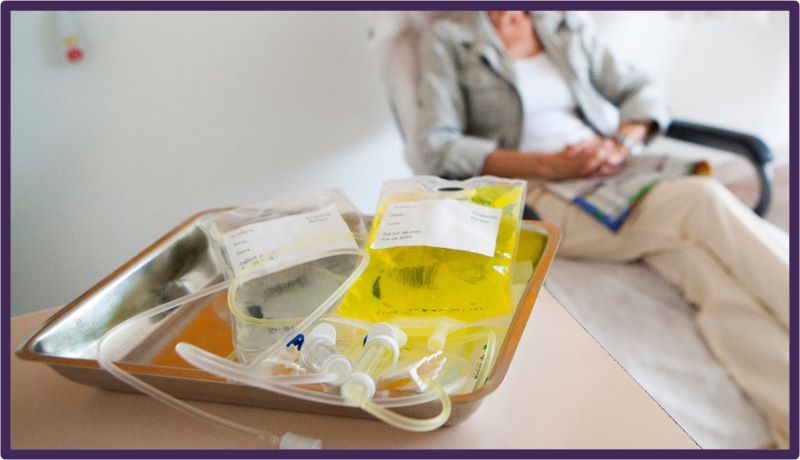
Cancer is a set of diseases that are characterised by growth of damaged cells that multiply instead of undergoing the cell death process (National Cancer Institute, 2021). The cell growth deviates from the normal cell life cycle, and the host immune system cannot control it. These cells form tumours that can be benign or malignant and can spread to other tissues and systems in the body. The tumours can form anywhere in the body, making the disease organ-, or system-specific (Cooper, 2000). Approximately 40% of people will be diagnosed with cancer at some point during their lifetimes (Siegel et al., 2017).
People living with cancer are at an increased risk of infection, including foodborne illness. In cancer, both the disease biology and the treatments against cancer cause changes in the immune system. Regulatory T-cells appear to play an important role in tolerance to tumour antigens, resistance of tumours to immune-mediated elimination, as well as general downregulation of immune responses to pathogens (Pardoll, 2015). Cell-mediated immune defects can be due to the basic disease like Hodgkin’s disease, T-cell lymphomas, leukaemia, B-cell defects in multiple myeloma and chronic lymphocytic leukaemia, or bone marrow transplants (Griggio et al., 2020; Ioannou et al., 2021).
Chemotherapy in cancer has potent cytotoxic effects on both the innate and adaptive immune system. These impacts present an additional layer of damage to the host immune system which may have already been compromised by factors related to the biology of the disease. The therapy affects T-cells, monocytes/ macrophages, neutrophils, and the integrity of the gastrointestinal mucosa (Nesher & Rolston, 2014). Individuals with cancer are therefore highly susceptible to almost any type of infection, especially bacterial and fungal. Furthermore, and importantly, all types of infections are associated with higher rates of morbidity and mortality in individuals undergoing cancer chemotherapy. Chemotherapy, targeted cell therapy, and some radiations temporarily reduce the number of neutrophils in the blood and lead to higher infection risks during and after the therapy (Vento & Cainelli, 2003). Lower-than-normal neutrophil levels, or neutropenia, predispose individuals receiving treatment to infections. Neutrophil counts lower than 0·5109/L for longer than 10 days are viewed as a general threshold for more frequent and severe infections (Vento & Cainelli, 2003).
Cancer immunotherapy is designed to alter the host immune response and increase efficacy of immune-mediated elimination of cancer cells. However, immunotherapy can lead to several immune-related adverse effects that alter the immune response to pathogens (Tanoue et al., 2019). Several types of therapies can be used including monoclonal antibodies, T-cell transfer therapy, immune system modulators, and immune checkpoint inhibitors (National Cancer Institute, 2019). Checkpoint inhibitors block receptors expressed on effector T-cells and bind to antigen-presenting cells (APCs). These checkpoint receptors (PD-1, CTLA-4) act as breaks in the immune response to balance and prevent an over-exuberant response, such as chronic inflammation (Morelli et al., 2022; Tanoue et al., 2019). The increased susceptibility to foodborne illness and severe illness can be temporary or long-term. Other co-morbidities, chronic or acute conditions caused by cancer, and treatments contribute to the decreased ability of the immune system to mount the immune defence. For instance, poor nutrition, GI problems, and polypharmacy (the simultaneous use of multiple medicines by an individual for their conditions) not related to cancer treatment can lead to further vulnerability (Goede, 2023).
People with cancer in Scotland
Nearly 1 in 2 people born in the UK in 1961 will be diagnosed with some form of cancer during their lifetime (Cancer Research UK, 2024b). There were 35,379 new cancers registered in Scotland in 2021, with a reported rate of new cancers of 644 per 100,000 population (Public Health Scotland & National Statistics, 2023b). The overall risk of developing cancer in 2021 was 30% higher in the most deprived areas compared with the least deprived areas of Scotland (Cancer Research UK, 2022). Incidence rates for cancer in the UK are highest in people aged 85 to 89, and 36% of all cancer cases in the UK are diagnosed in people aged ≥75 years (Cancer Research UK, 2024a). In Scotland during 2021, 77% of cancer diagnoses were in people aged ≥60 years (Public Health Scotland & National Statistics, 2023b).
Prevalence of foodborne illness among people with cancer
Twenty nine of the 138 reviewed studies provided information regarding the occurrence of foodborne illness among people with cancer. Of these, 27 included L. monocytogenes and two included Salmonella. Some of these studies provided data detailing prevalence among people with cancer receiving specific treatment (e.g. chemotherapy or radiation therapy), referred to specific types of cancer (e.g. solid cancer or haematological malignancy) or listed cancer as an underlying condition without specifying the cancer type of treatment (Table 13).
Table 13
| Pathogen | Prevalence data (percentage of cases that were reported to be cancer associated cases) |
|---|---|
| L. monocytogenes | Cancer associated cases:
Cancer treatment associated cases:
|
| Salmonella | Prevalence data not included in reviewed studies |
| E. coli | No data available |
| Campylobacter | No data available |
| Norovirus | No data available |
L. monocytogenes among people with cancer
Listeria surveillance data from Scotland indicated that 19% of the 166 cases of listeriosis (2012 – 2022) had malignancy listed as an underlying condition (Public Health Scotland, no date).
Twenty-seven studies provided insight to the prevalence of listeriosis among people with cancer, as indicated in Table 13, studies indicated that between 8% of cases in the Netherlands (Doorduyn, de Jager, et al., 2006) and 32% of cases in Italy (Gori et al., 2020) were among people with cancer.
Of the studies that included details regarding treatment among people with cancer, only one study listed radiation therapy, it was established that 5% of cases in Germany were people receiving radiation therapy for cancer (Preußel et al., 2015). Leung et al. (2018) reported that 14% of all notifications in Australia were people receiving cancer drugs (radiotherapy and/or chemotherapy). Data from England and Wales indicated that 7% of listeriosis cases (Mook et al., 2013), 15% of central nervous system infections and 15% of bacteraemia cases were prescribed cytotoxic drugs for cancer (Gillespie et al., 2009).
Some studies suggested that prevalence was higher among people with blood cancers than solid tumours, whereas others reported the opposite. For example, Guerrero et al. (2012) reported that 25% of listeriosis cases were among people with blood cancer and 13% had solid tumours, whereas Preußel et al. (2015) reported that 8% of cases had blood cancer and 15% had solid tumour cancer.
In terms of case fatalities, 11% of listeriosis fatalities in the US listed cancer as an underlying cause (Bennion, 2008) whilst 45% of listeriosis fatalities in the UK had solid organ malignancies (Scobie 2019). The incidence rate of listeriosis among people with cancer was reported to be 3.75 per 100,000 people in France (Goulet et al., 2012).
Salmonella among people with cancer
Occurrence of Salmonella among people living with cancer or receiving treatment for cancer were not available in Scotland. Similarly, prevalence of Salmonella among people with cancer was seldom referred to in reviewed studies (Table 13).
A Canadian study reported that among people aged ≥60 years, hospitalised with non-typhoidal Salmonella, 60% were also diagnosed with at least one of the four chronic diseases including cancer (Turgeon et al., 2017). A US study on salmonellosis hospitalisations between 2000 and 2011 reported that Lymphoma was associated with the greatest salmonellosis disease severity that can impair the immune system with an adjusted OR of 4.34 (95% CI = 1.39, 13.54) (Cummings et al., 2016).
E. coli, Campylobacter, and norovirus among people with cancer
Data detailing prevalence of E. coli, Campylobacter and Norovirus were not available from Scotland or in the reviewed studies (n=138).
People with HIV/AIDS as a clinically vulnerable group

HIV/AIDS infection causes profound defects in the immune system that lead to severe susceptibility to infection in people living with AIDS (Perelson, 1989). HIV infection leads to the depletion of CD4 T-cells, which leaves individuals mortally susceptible to opportunistic infections (Mishra et al., 2009). Structural and immunological changes occur at the mucosal surfaces from the very onset of HIV infection (Xu et al., 2013). The GI tract is a major site of HIV replication, resulting in major loss of CD4 T-cells during acute infection, and the loss of mucosal immunity over time. Additionally, the GI mucosa is infiltrated with cytotoxic CD8 T-cells leading to disruption of tight epithelial junctions making HIV a disease of the GI tract (George et al., 2005).
People with HIV/AIDS in Scotland
In 2022, an estimated 6,600 people were living with HIV in Scotland, of whom 6,150 (93%) had been diagnosed. Of those engaged with HIV services, 98% were receiving antiretroviral therapy and, of those, 93% were recorded as having an undetectable viral load (Public Health Scotland, 2023).
Prevalence of foodborne illness among people with HIV/AIDS
A total of 10 studies included information regarding the proportion of foodborne cases that were among people with HIV/AIDS, eight of these studies included L. monocytogenes, whilst two included Salmonella. No data were available from Scotland in relation to foodborne illness prevalence among people living with HIV/AIDS.
Table 14
| Pathogen | Prevalence data (percentage of cases that were among people with HIV/AIDS) |
|---|---|
| L. monocytogenes |
|
| Salmonella | Prevalence data not included in reviewed studies |
| E. coli | No data available |
| Campylobacter | No data available |
| Norovirus | No data available |
L. monocytogenes among people with HIV/AIDS
Data regarding prevalence of HIV/AIDS among cases of listeriosis were not available from Scotland. Of the 138 reviewed studies, as indicated in Table 14, eight included data regarding prevalence of listeriosis among people living with HIV/AIDS, the studies suggested that between 1% (Goulet et al., 2012) and 6% (Silk et al., 2013) of listeriosis cases had HIV/AIDS listed as an underlying condition. Incidence data were not available.
Bennion et al. (2008) reported that listeriosis was positively associated with HIV infection (OR, 4.19; 95% confidence interval, 3.06–5.73), with 4.2% of listeriosis-associated deaths having HIV as a comorbidity, whilst 1.1% of non–listeriosis-associated deaths had HIV as a comorbidity. It was also reported that the frequency of HIV listed as a comorbidity among listeriosis-related deaths reduced from 5% between 1990 and 1995, to 3% by 2005 (Bennion et al., 2008).
Salmonella among people with HIV/AIDS
Data regarding prevalence of HIV/AIDS among cases of salmonellosis were not available from Scotland. Two of the reviewed studies included information regarding the association between Salmonella and HIV/AIDS. None of the studies provided data detailing the proportion of Salmonella cases that were among people with HIV/AIDS. However, the reviewed studies indicated that 12% of Salmonella hospitalisations in Spain over a ten-year period had HIV as an underlying condition (Prieto et al., 2009), and on the basis of matched case–control analysis, in the US, 10% of Salmonella-related deaths were associated with HIV compared to 2% of non-Salmonella-related deaths (Matched OR: 7.44 (95% CI 5.04–10.97) (Cummings et al., 2010).
E. coli, Campylobacter, and norovirus among people with HIV/AIDS
As with some of the other underlying conditions in this report, prevalence of HIV/AIDS among cases of E. coli, Campylobacter, and norovirus were not available in the reviewed studies (n=138) or in data obtained from Scotland.
People with alcohol use disorders as a clinically vulnerable group

Terms such as 'alcoholic' and 'alcoholism', are not clinical terms and are associated with stigma and so should not be used. Terms such as 'person with alcohol use disorder ' should be used instead (Poorman et al., 2024). The National Institute on Alcohol Abuse and Alcoholism describe alcohol use disorder as a spectrum ranging from mild to severe (National Institute on Alcohol Abuse and Alcoholism, 2020) , with the amount alcohol only being one criterion for determining the severity of the disorder (Babor et al., 2001)
Alcohol use disorder and excessive alcohol consumption cause a significant public health problem globally, with 2.5 million deaths related to alcohol abuse and comorbidities (World Health Organization, 2012). Alcohol remains one of the leading causes of disability and premature death in many regions (Murray & Lopez, 1997). Short and long-term exposure to alcohol can cause alcohol dependence and several liver diseases like cirrhosis, cancers, and organ damage, including the immune system. Alcohol use disorder affects both the innate and adaptive immune system (Sarkar et al., 2015). Even moderate alcohol consumption impacts the immune response, affecting the frequency, survival, and function of immune cells (Szabo & Saha, 2015). Production of smaller amounts of immune cells with impaired efficiency makes alcoholics immunosuppressed at the sub-clinical level, and more prone to contracting foodborne and other infections.
The GI tract is the first point of contact for alcohol. Frequent consumption of alcohol affects the structure and integrity of the mucosa and further impairs T-cell mediated responses (Hammer et al., 2015).
Damage to epithelial cells, the mucosal immune system, T-cells, and neutrophils in the GI system leads to disruption of the gut barrier function and facilitates leakage of pathogens into the circulation. The gut microbiome dysbiosis indirectly disrupts maturation and function of the immune system (Hammer et al., 2015). Gut dysbiosis is linked to lower mucus thickness, decreased antimicrobial defence, butyrate and propionate production and a cascade of changes leading to an increased risk of Enterobacteriaceae proliferation and severe GI infections (see IBD section for details) (Cani, 2018).
People with alcohol use disorders in Scotland
The Scottish Health Survey reported that the prevalence of hazardous or harmful levels of weekly alcohol consumption have declined steadily since 2003, from 34% to 23% in 2021. Prevalence of hazardous or harmful weekly alcohol consumption was twice as high for men (31%) as for women (16%), were highest among those aged between 45 and 74, and were more common in the least deprived areas (Scottish Government, 2022). Tools used to identify alcohol use disorders often do not specify the exact quantity of alcohol considered hazardous or harmful and take additional factors into account during the evaluation (Babor et al., 2001).
The volume of pure alcohol sold per adult in Scotland in 2022 was 4% higher than in England and Wales (Ponce-Hardy & Giles, 2023). In 2022, there were 1,276 alcohol-specific deaths and the rate of mortality was 22.9 deaths per 100,000 people. Alcohol-specific deaths were 4.3 times as high in the most deprived areas of Scotland compared to the least deprived areas. This compares to a ratio of 1.8 times for all causes of death (National Records of Scotland, 2023a).
Prevalence of foodborne illness among people with alcohol use disorders
A total of 11 studies included information regarding the percentage of foodborne illness cases that were associated with alcohol use disorders, 10 of which included listeriosis, one included salmonellosis.
Table 15
| Pathogen | Prevalence data (percentage of cases that were related to alcohol use disorders) |
|---|---|
| L. monocytogenes |
|
| Salmonella | Prevalence data not included in reviewed studies. |
| E. coli | No data available |
| Campylobacter | No data available |
| Norovirus | No data available |
L. monocytogenes among people with alcohol use disorders
As indicated in Table 2, the data obtained from Scotland reported that 4% of the confirmed listeriosis cases between 2012 and 2022 had alcohol related conditions listed as an underlying condition (Public Health Scotland, no date). Likewise, as indicated in Table 15, the data extracted from reviewed studies suggested that between 4 – 11% of listeriosis cases had alcohol-related disorders, alcohol overuse, or alcoholism listed as an underlying condition (Antal et al., 2007; Gerner-Smidt et al., 2005; Silk et al., 2012; Silk et al., 2013; Suominen et al., 2023). Data from England and Wales indicated that 4% of listeriosis cases among those aged >60 years had alcohol-related disorders as an underlying condition (Gillespie et al., 2006) Disease presentation data indicated that 4% of bacteraemia and 10% of central nervous system infection cases were alcohol-related (Gillespie et al., 2009).
A US study on the risk factors for mortality among non-perinatal listeriosis patients reported that 28% of cases were among individuals with alcoholism (adjusted OR, 4.63; 95% CI, 1.36-15.8) (Guevara et al., 2009), whilst a UK study on the mortality risk factors for listeriosis reported that 22% of listeriosis cases with alcohol listed as a comorbidity resulted in mortality (Scobie et al., 2019). Incidence rates for listeriosis among individuals with alcohol-related underlying conditions were not available.
Salmonella among people with alcohol use disorders
A breakdown of salmonellosis incidence data according to alcohol-related issues were not available from Scotland. The one study to include information regarding alcohol-related conditions reported that 3% of salmonellosis-related mortality in the US had alcohol and drug abuse listed as underlying conditions (Cummings et al., 2010).
E. coli, Campylobacter, and norovirus among people with alcohol use disorders
Data regarding prevalence of alcohol-related conditions among cases of E. coli, Campylobacter, and norovirus were not available in data obtained from Scotland or the reviewed studies.
Transplant recipients as a clinically vulnerable group

Individuals who have received transplants receive immunosuppressive agents to maintain graft function. These agents make organ transplant recipients prone to infections (Fishman, 2011). A variety of immunosuppressants are used, depending on organ and recipient characteristics. Common immunosuppressants include antibodies to cell surface antigens on lymphocytes, anti-interleukin 2 (IL-2) receptor antibodies, calcineurin inhibitors, lymphocyte proliferation inhibitors, glucocorticoids, and others (Tönshoff, 2020).
Immunosuppression impacts both the innate and adaptive immunity. T-cells and B-cells are depleted making the individuals more susceptible to viral and bacterial pathogens. The use of corticosteroids is also linked to a risk of fungal infections among organ transplant recipients (Seok et al., 2020). The level of immunosuppression among organ recipients depends on the type, duration, and intensity of immunosuppressive therapy (Pilch et al., 2021). Prior therapies (e.g., chemotherapy, antibiotics, etc.), and the level of neutropenia or lymphopenia impact the level of immune dysfunctions.
Other, non-transplant related underlying conditions such as autoimmune disease, metabolic conditions, diabetes, malnutrition, alcohol use disorder, chronic viral infections, and age add an additional layer to the vulnerability of these individuals.
Transplant recipients in Scotland
During 2022/2023, 4,533 people received organ transplantation in the UK (Statistics and Clinical Research & NHS Blood and Transplant, 2023), 391 of which were in Scotland. The majority (60%) received kidney transplants (NHS Blood and Transplant, 2023).
Prevalence of foodborne illness among transplant recipients
No data were available regarding prevalence of foodborne illness among transplant recipients (Table 2). From the reviewed studies, nine included data detailing prevalence of foodborne illness associated with transplantation, as indicated in Table 16, seven of these related to listeriosis, one referred to Salmonella and one referred to Campylobacter.
Table 16
| Pathogen | Prevalence data (percentage of cases that were among people that had received a transplantation) |
|---|---|
| L. monocytogenes |
|
| Salmonella | Prevalence data not included in reviewed studies |
| E. coli | No data captured |
| Campylobacter | Prevalence data not included in reviewed studies |
| Norovirus | No data captured |
L. monocytogenes among transplant recipients
No data were available from Scotland detailing the proportion of listeriosis cases that were among people that had received transplants. The reviewed studies indicated that between 1 – 4% of listeriosis cases were among people that had undergone transplantation. It was determined that of listeriosis-associated deaths in the US, 0.5% were reported to be among organ transplantation recipients (OR: 7.25, 95% CI, 3.2-16.19) (Bennion et al., 2008) (Table 16). It was suggested that in comparison to other underlying conditions, the case fatality rate of listeriosis in France was lowest for organ recipients (6%) (Goulet et al., 2012).
Salmonella among transplant recipients
Information regarding the prevalence of transplant recipients among cases of Salmonella were not available from Scotland or in reviewed studies. However, a study regarding confirmed foodborne infections among solid organ transplant recipients reported that in a cohort of 4,405 recipients, 151 episodes of foodborne infections were reported, 10% of which were non-typhoidal Salmonella and the standardised incidence rate was 4.6 (95% confidence interval, 2.6-7.5) (van den Bogaart et al., 2022).
Campylobacter among transplant recipients
Although data detailing the proportion of transplant recipients among Campylobacter cases in reviewed studies or in Scotland were not available, as with Salmonella, van den Bogaart et al. (2022) reported that of the 151 cases of foodborne illness among 4,405 transplant recipients, 88% of these infections were Campylobacter spp., where the standardised incidence rate was 7.4 (95% CI, 6.2-8.7).
E. coli and norovirus among transplant recipients
Data regarding prevalence of E. coli or norovirus among people that had received a transplantation were not available in data obtained from Scotland or the reviewed studies.
Medications that create clinically vulnerable groups
Data detailing prevalence of foodborne illness associated with specific medication for exact underlying conditions e.g. cancer treatment, rheumatoid arthritis, diabetes, and proton pump inhibitors have been discussed, however some data suggest that other medications such as antibiotics and corticosteroids are also associated with prevalence of foodborne illness.
Antibiotics disrupt the gut microbiome and cause dysbiosis that leads to increased susceptibility to infections with opportunistic and antimicrobial-resistant foodborne pathogens. This gut microbiota dysbiosis (Neuman et al., 2018) results in a reduction in the diversity and abundance of gut microorganisms, changes in gene expression and protein activity, and compromises defences against invading harmful bacteria (Kesavelu & Jog, 2023). Antibiotic use also contributes to the emergence of antibiotic-resistant pathogens (Francino, 2015).
Corticosteroids are extremely effective in the treatment of acute inflammation and chronic inflammatory diseases. Despite this, there are multiple serious adverse effects associated with corticosteroids including bone fractures, osteoporosis, hyperglycaemia, and susceptibility to infections (Manson et al., 2009). Corticosteroids suppress the immune system (Heming et al., 2018) by blocking some pro-inflammatory proteins like bioactive amines, lipid mediators, and cytokines (TNF-α and IL-1) which leads to decreased capillary permeability (humoral response) and reduced leukocyte migration into inflamed tissues (Coutinho & Chapman, 2011). Because there is no vasodilation, the redness and pain which are the symptoms of infection, are masked (Heming et al., 2018). The use of glucocorticoids makes the individual susceptible to foodborne bacteria, viruses, and fungi (Reichardt et al., 2021).
Antibiotic and corticosteroid use in Scotland
It was reported that 23% of the Scottish population received at least one course of antibiotics during 2021. The total use of antibiotics across all settings was 19.0 defined daily doses per 1,000 population per day. It is reported that 84% of antibiotic use occurred in the community setting rather than the hospital setting (ARHAI Scotland, 2022).
Data regarding corticosteroid use in Scotland were not available. Historic UK data suggested that oral corticosteroids were being used by 0.9% of the total adult population and that the highest use was among people between 70 and 79 years of age (2.5%) (van Staa et al., 2000).
Prevalence of foodborne illness associated with medications
In the reviewed studies, it was discovered that medications that affect the immune response including cytotoxic drugs, corticosteroids and antibiotics are often grouped together, making individual comparisons challenging. Some simply stated that individuals had received immunosuppressive therapies and further information whether these were prescribed for cancer treatment or other underlying conditions were often not included. As indicated in Table 17, a total of 21 studies provided information regarding prevalence of foodborne illness among people taking specific medications, 17 of these referred to listeriosis, while three related to campylobacteriosis and one referred to salmonellosis.
Table 17
| Pathogen | Prevalence data (percentage of cases that were among people that had received various medications) |
|---|---|
| L. monocytogenes | Steroid use:
Immunosuppressive treatments:
|
| Salmonella | 17% of Salmonella typhimurium DT104 and 7% of non-DT104 infection cases took antibiotics in the 4 weeks prior to illness (Dore et al., 2004) |
| E. coli | No data captured |
| Campylobacter | Prevalence data not included in reviewed studies |
| Norovirus | No data captured |
L. monocytogenes associated with medications
No data were available from Scotland detailing the proportion of listeriosis cases that were among people that had received antibiotics or corticosteroids.
Of the reviewed studies, 17 presented data regarding listeriosis associated with medications (Table 17). In a review of medications most commonly taken by non-pregnancy-related listeriosis patients in the UK prior to illness, Mook et al. (2013) reported that the rates for cytotoxic drugs, drugs affecting the immune response and corticosteroids were significantly higher than for other medications. Treatment with antibiotics was reported to be significantly more common among individuals with listeriosis in Canada than in individuals with campylobacteriosis or salmonellosis (Schlech et al., 2005). It was reported that 23% of bacteraemia and 27% of central nervous system infections in England and Wales had received steroids, and 16 – 17% had received immunosuppressive treatment (Gillespie et al., 2009).
Medication known to suppress the immune response including antidiarrheals, antacids, and antibiotics were reported to be taken 4 weeks prior to 50% of listeriosis notifications and systemic steroids were reported to be taken during the 4 weeks prior to 32% listeriosis notifications in Australia (Leung et al., 2018).
Salmonella associated with medications
As indicated in Table 2, 10.5% of Salmonella cases in Scotland were prescribed an antibiotic in the 30 days preceding infection. One study from the 138 that were reviewed included data regarding prevalence of Salmonella associated with medication such as antibiotics. As indicated in Table 17, Dore et al. (2004) reported that 7 – 14% of Salmonella cases in Canada were associated with antibiotic use, indeed taking antibiotics in the 4 weeks before illness was a risk factor for Salmonella typhimurium DT104 in Canada.
Campylobacter associated with medications
It was established that 6% of Campylobacter cases in Scotland (Table 2) were prescribed an antibiotic in the 30 days preceding infection. Three of the reviewed studies reported on Campylobacteriosis associated with medication usage. Cribb et al. (2022) and Doorduyn et al. (2010) reported that recent antibiotic use was associated with reduced odds of campylobacteriosis while Fajó-Pascual et al. (2009) reported that previous antibiotic intake was associated with illness.
E. coli and norovirus associated with medications
Data regarding prevalence of E. coli and norovirus among people that had received medication such as antibiotics and steroids were not available in data obtained from Scotland or the reviewed studies.
Underlying conditions that create clinically vulnerable groups of the population
L. monocytogenes and underlying conditions
As indicated in Table 2, L. monocytogenes was most frequently included in reviewed studies, of the 138 studies, 58 included L. monocytogenes. The reviewed data suggests that underlying conditions are important in relation to the occurrence of listeriosis. For example, it was reported that the increased incidence of listeriosis among individuals aged ≥60 years in England and Wales between 2001 and 2007 occurred in those with underlying conditions such as cancer or other conditions whose treatment included acid-suppressing medication. Only 10% of bacteraemia and 26% of central nervous system cases did not have an underlying condition listed (Gillespie et al., 2009) and only 11% of individuals had no underlying condition (Gillespie et al., 2006). Indeed, Table 18 indicates that a similar trend is seen globally with most individuals with listeriosis reported to have ≥1 predisposing condition. The impact of an underlying condition was discussed by Guerrero et al. (2012) who reported that mortality varied according to the underlying condition, whereas all individuals with listeriosis without comorbidities survived infection.
Goulet et al. (2012) calculated that the risk of listeriosis was significantly greater among those with underlying conditions, for example, when compared with persons <65 years old with no underlying conditions, those with underlying conditions such as chronic lymphocytic leukaemia had a >1000-fold increased risk of acquiring listeriosis. Those with other conditions such as liver cancer; myeloproliferative disorder; multiple myeloma; acute leukaemia; giant cell arteritis; dialysis; oesophageal, stomach, pancreas, lung, and brain cancer; cirrhosis; organ transplantation; and pregnancy had a 100–1000-fold increased risk of listeriosis (Goulet et al., 2012).
It was also reported by Goulet et al. (2012) that clinically vulnerable groups whose underlying conditions were associated with the highest incidence of listeriosis accounted for 43% of cases and 55% of deaths, but only 1% of the total population, whereas groups with low incidence accounted for fewer cases (21%) and fewer deaths (21%), but represented 16% of the whole population. A meta-analysis on mortality risk factors for listeriosis reported that clinical predisposing factors included age ≥ 60 years, and predisposing comorbidities included non-haematological malignancies, alcoholism, chronic kidney disease, cardiovascular disease, and pulmonary disease (Huang et al., 2023). The authors are in agreement with Goulet et al. (2012) that the population considered not at risk of listeriosis are those with no underlying condition and aged <65 years.
Table 18
| Country | Prevalence of underlying conditions among listeriosis patients |
|---|---|
| Denmark |
|
| England and Wales |
|
| Finland |
|
| France |
|
| Germany |
|
| Italy |
|
| Netherlands |
|
| Romania |
|
| Spain |
|
| Turkey |
|
| United States |
|
Salmonella and underlying conditions
Older adults in Denmark with Salmonella had higher co-morbidity than their matched reference persons (Gradel et al., 2008). Cummings et al. (2016) reported that among individuals with salmonellosis in the US, having two or more chronic conditions was associated with a longer duration of hospitalisation and a greater disease severity.
Campylobacter and underlying conditions
Mean age of those with a severe outcome was >20 years above the mean age for all Campylobacter cases (46.2 years), this may be attributed to the higher rates of underlying medical conditions among the older population. Over the 5-year period (2013-2017) there were 30,196 confirmed cases of Campylobacter in Scotland, 12 cases died with Campylobacter enteritis their mean age was 75.5 years (Food Standards Scotland, 2020a, 2020b). Data from Denmark indicate that older adults with Campylobacter had higher co-morbidity than their matched reference persons (Gradel et al., 2008).
Summary of systematic review findings
Table 19 below provides a comprehensive summary of the physiological reasons for increased susceptibility to foodborne illness among the selected clinically vulnerable groups and provides the range of prevalence for the five key pathogens of interest among the clinically vulnerable groups from the reviewed studies (n=138).
The table indicates that breakdown of prevalence for all five pathogens is only available according to age group. As discussed elsewhere, data detailing prevalence among multiple clinically vulnerable groups are only available for L. monocytogenes, it is of interest that 49 of the reviewed studies reported that 65 – 76% of listeriosis cases were among older adults.