
Barriers facing businesses
This chapter will present the proportion of businesses that were facing barriers to their business and what these barriers were. It will examine the list of concerns or threats posed to businesses in the survey. Lastly, it will examine the types of staff that businesses are struggling to recruit.
Barriers facing businesses
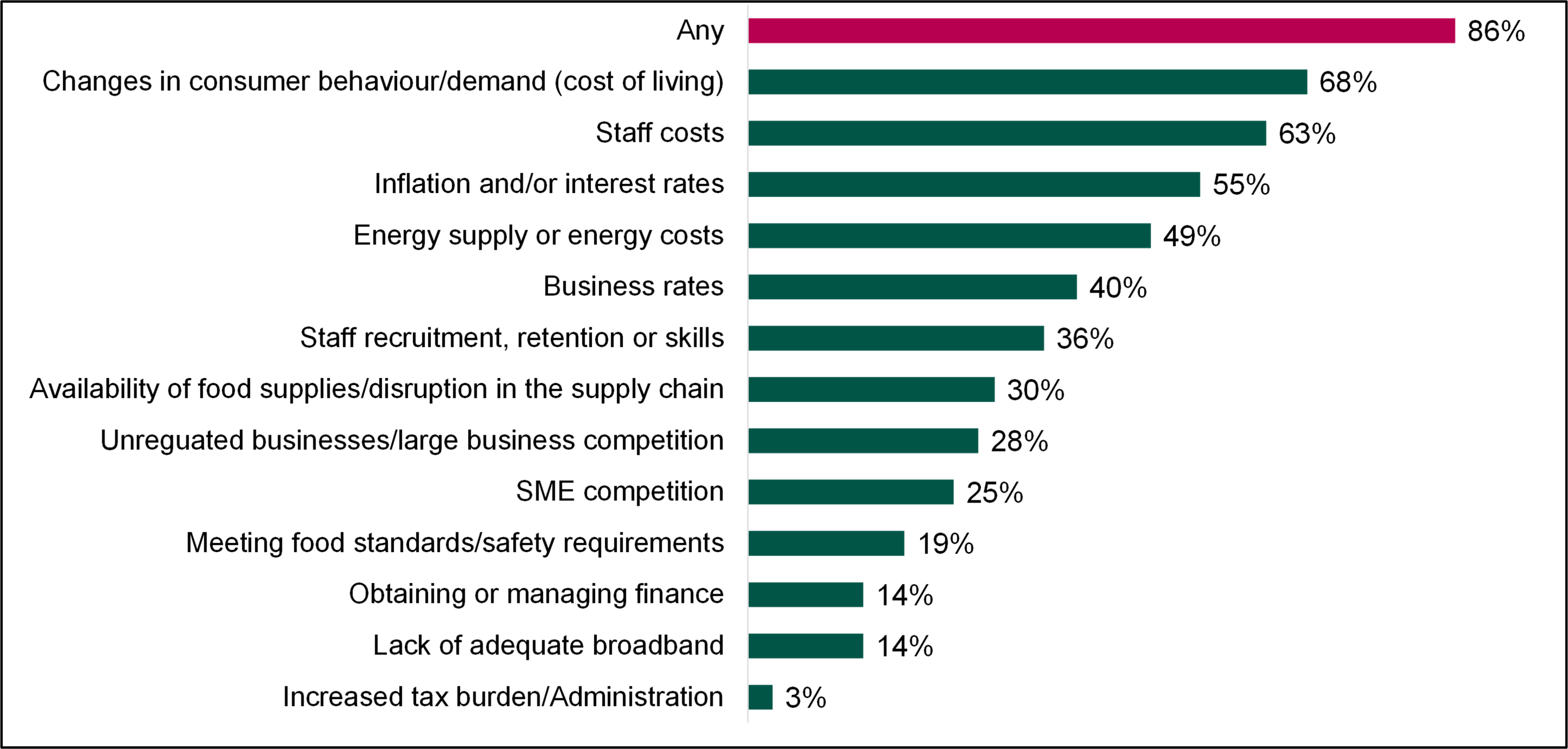
Businesses were presented with a list of potential threats and concerns and asked to select which they felt were particular barriers to the success of their business. As seen in Figure 11, most businesses (86%) said at least one of the listed threats was a barrier to the success of their business. The most common barrier was changes in consumer behaviour and demand due to the increased cost of living (68%), followed by staff costs (63%) and high inflation or increased interest rates (55%).
Figure 11. Concerns, threats and barriers to the success of businesses
Here is a visual only chart of: Bar chart showing concerns threats and barriers to the success of businesses. 86% cited any concerns threats or barriers. The chart shows that most common barrier was changes in consumer behaviour and demand due to the increased cost of living (68%), followed by staff costs (63%) and high inflation or increased interest rates (55%).
Please find more information provided in the detailed description and/or table below.
Bar chart showing concerns threats and barriers to the success of businesses. 86% cited any concerns threats or barriers.
The chart shows that most common barrier was changes in consumer behaviour and demand due to the increased cost of living (68%), followed by staff costs (63%) and high inflation or increased interest rates (55%).
B1. Please tell me whether the following possible concerns, threats, or barriers to the success of your business currently apply to your business. Base: All businesses (150).
Businesses in the service activities sector were more likely to have concerns about staff costs (72%) and business rates (49%) than other sectors. Businesses with 10 or more employees were also more likely to be concerned about business rates (56%) than smaller businesses (35% of those with less than 10 employees).
Recruitment issues
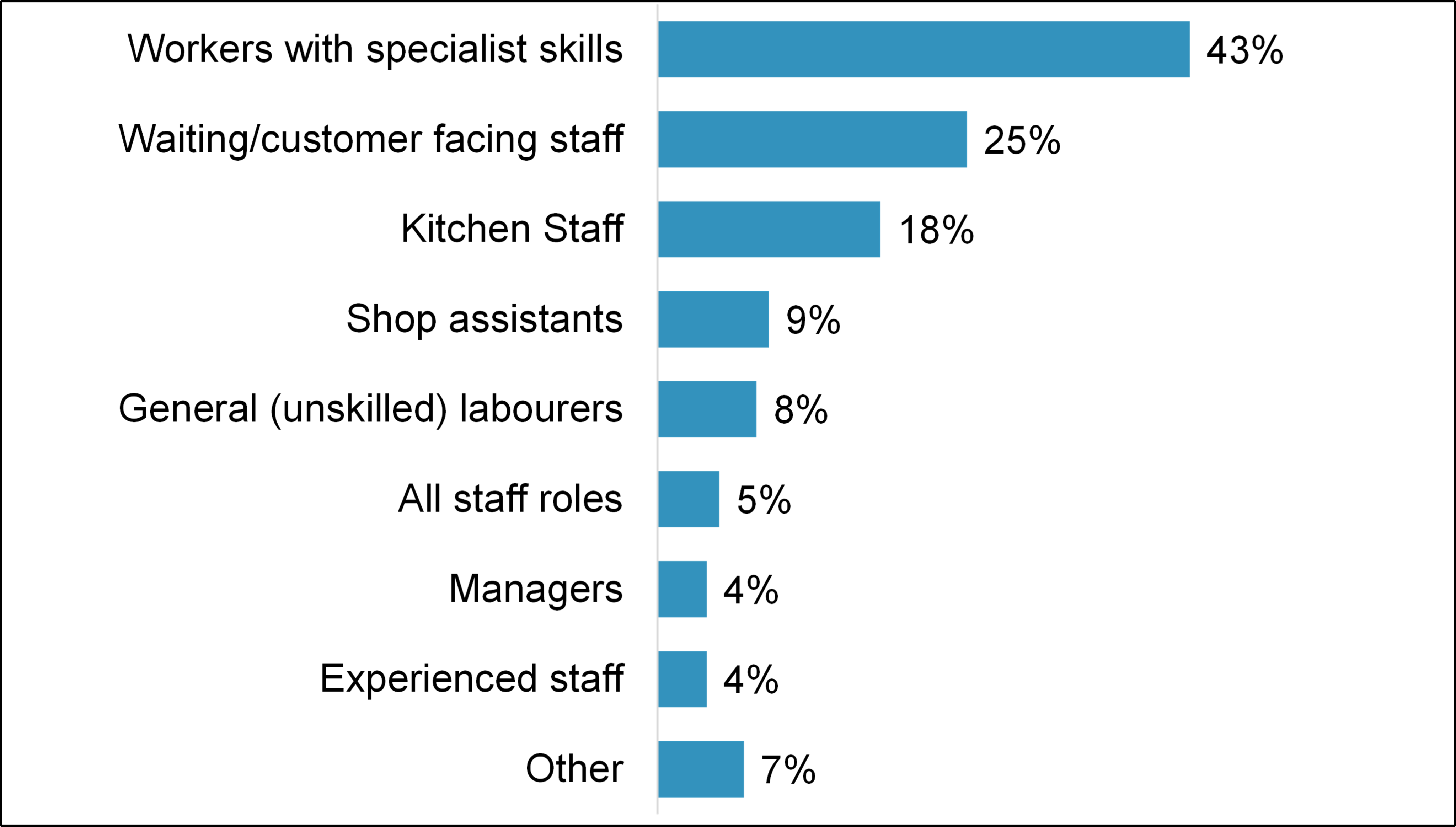
Over a third (36%) of FBOs were concerned about staffing. These businesses were asked to specify which types of staff they were struggling to recruit, shown in Figure 12. Over four-in-ten of these businesses were struggling to recruit workers with specialist skills (43%). A quarter of businesses were struggling to recruit waiting or customer facing staff (25%), followed by kitchen staff (18%).
Figure 12. Types of staff businesses were struggling to recruit.
Here is a visual only chart of: Bar chart showing types of staff businesses were struggling to recruit. 43% struggled to recruit workers with specialist skills, 25% waiting/customer facing staff, 18% kitchen staff, 9% shop assistants, 8% general labourers, 5% all staff roles, 4% managers, 4% experienced staff, 7% other staff roles.
Please find more information provided in the detailed description and/or table below.
Bar chart showing types of staff businesses were struggling to recruit.
43% struggled to recruit workers with specialist skills, 25% waiting/customer facing staff, 18% kitchen staff, 9% shop assistants, 8% general labourers, 5% all staff roles, 4% managers, 4% experienced staff, 7% other staff roles.
B2. What types of staff are you struggling to recruit? Base: Businesses struggling to recruit staff (51). Responses less than 4% not charted.