
- The effects of glycerol are related to body weight
- Children over the age of 7 should have no more than one 350ml slush ice drink per day
- Glycerol intoxication can result in shock, hypoglycaemia, and loss of consciousness
- Glycerol is used to prevent liquid freezing solid
Know the food facts: Glycerol in slush ice drinks
Key facts
Overview
While slush ice drinks are widely available for consumers, Food Standards Scotland, along with the Food Standards Agency has recently issued new voluntary guidance to industry that they should not be sold to children 4 years of age and under. The advice applies to ready made slush drinks as well as kits bought to make them at home.
Facts about glycerol in slush ice drinks
Is it safe for my child to drink slush ice drinks?
Those above the age of 7 are considered unlikely to suffer ill effects from drinking one slush drink. This is because the effects of glycerol are related to body weight.
What is FSS’s advice regarding glycerol?
To prevent young children being exposed to excessive amounts of glycerol, FSS is advising that:
- slush ice drinks should not be sold to children under 7
- free refill promotions should not be offered to under 10s
- children aged 7 to 10 should have no more than one 350ml slush ice drink per day
What are the symptoms of glycerol intoxication?
At very high levels of exposure – typically when several of these products are drunk by a child in a short space of time – glycerol intoxication could cause shock, hypoglycaemia (low blood sugar) and loss of consciousness.
What is glycerol?
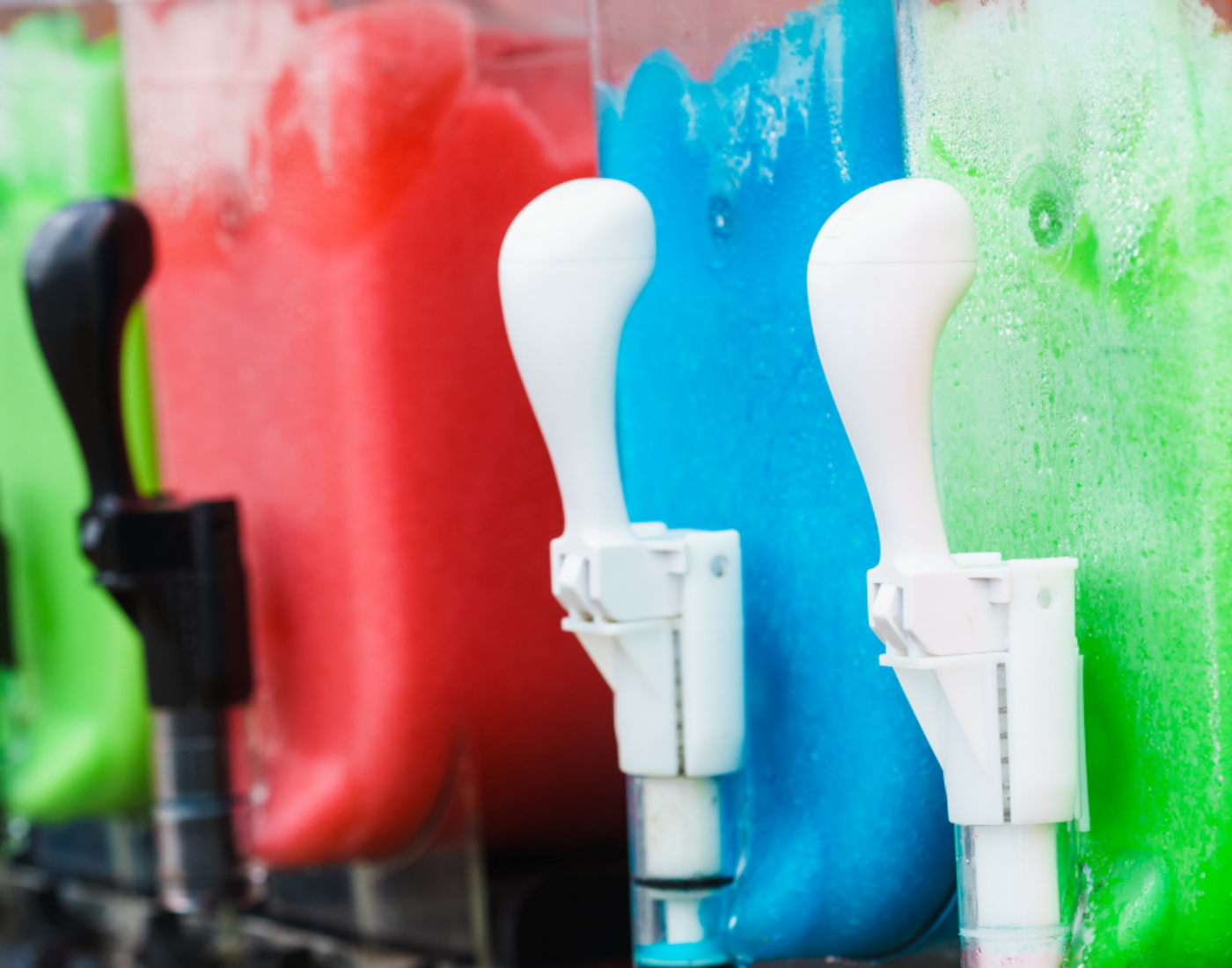
Glycerol (E422) is a key ingredient used in the production of slush ice drinks. It has the function of maintaining the slush properties to prevent the liquid freezing solid.
Although glycerol is generally of low toxicity, there are concerns about the effect on young children when large quantities are consumed over a short period of time.
What is FSS’s role regarding glycerol?
We are responsible for consumer food safety advice in Scotland and investigate any information that casts reasonable doubt on the safety of an additive.