Fibre

Fibre is an important part of a healthy diet that supports good digestive health

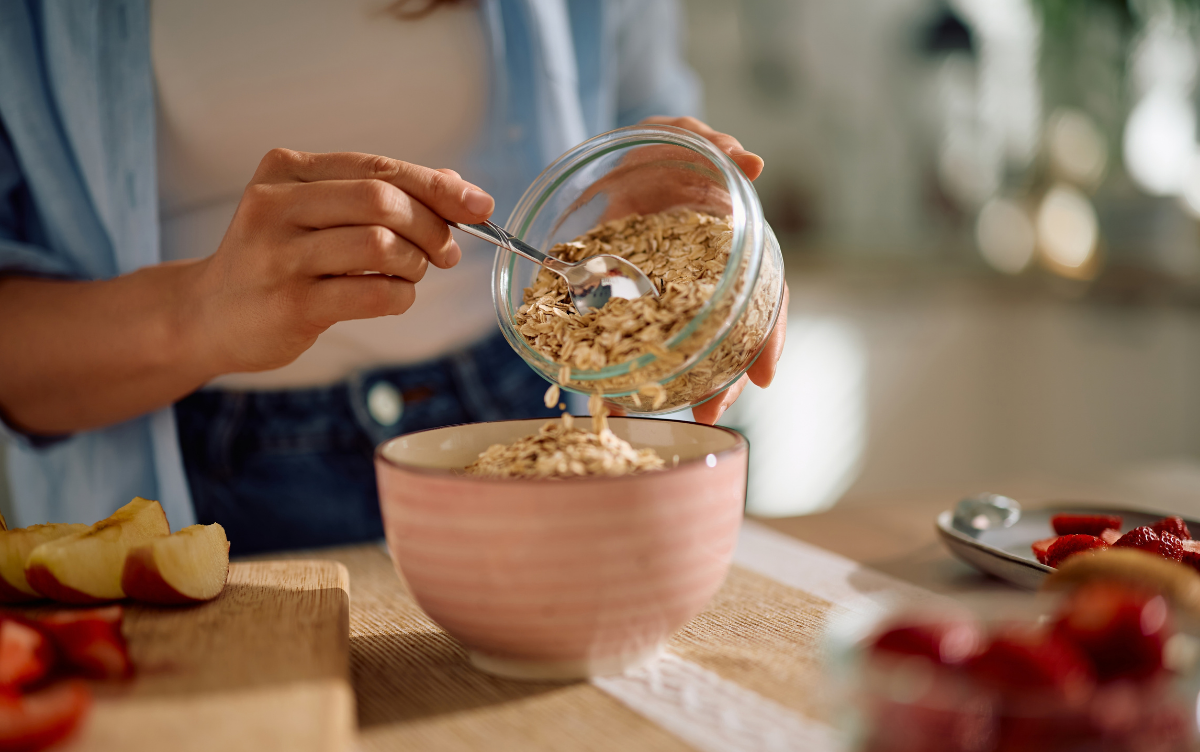
Woman putting oats into a porridge bowl

Why it matters

Fibre is an important part of a healthy diet and is linked to a lower risk of several long-term health conditions including heart disease, type 2 diabetes and bowel cancer.  It also supports digestive health and can help you feel fuller for longer. 

Adults should aim for 30g of fibre a day, but most people in Scotland don’t eat enough fibre to meet this recommendation.

The good news is that small changes to everyday meals and snacks can help increase your fibre intake. 
What is fibre?

Fibre is a type of carbohydrate found in foods that come from plants including:

  • Wholemeal bread and pasta, and brown rice
  • Porridge oats and higher fibre breakfast cereals such as wholegrain wheat biscuits or muesli
  • Potatoes
  • All types of beans and pulses such as lentils and chickpeas
  • Most fruit and vegetables
  • Nuts and seeds

Unlike some other carbohydrates, fibre is not fully digested by the body.  This helps support healthy digestion and contributes to overall health. 

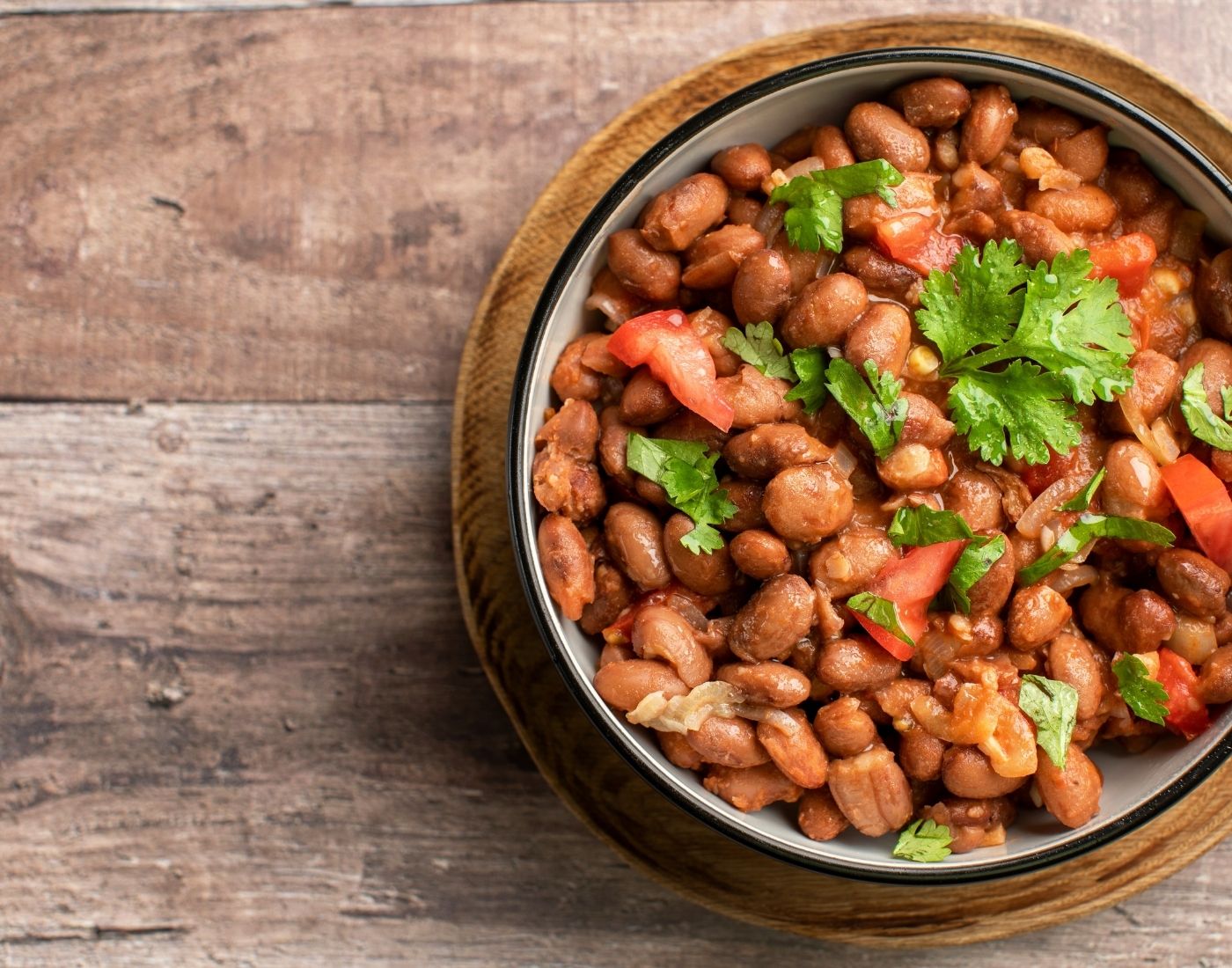
A bowl of bean stew

How much fibre do I need?

While adults should aim for 30g of fibre a day, children and teenagers need smaller amounts.

AgeRecommended fibre intake per day
2 to 5 years15g
5 to 11 years20g
11 to 16 years25g
16 years and over30g


What does does 30g of fibre look like?

Here is an example of how an adult could achieve around 30g of fibre across a day:

Breakfast: Two wholegrain cereal biscuits topped with milk and a banana (around 5g fibre)

Lunch: Baked beans on two medium slices of wholemeal toast (around 15g fibre)

Evening meal: Baked potato with tuna and sweetcorn, followed by an apple (around 7g fibre).  You could also add a side salad. 

Snack: A small handful of mixed nuts and raisins (around 3g fibre)

Together these foods provide around 30g of fibre.

Some of the meal ideas in this example are based on suggestions featured in our Eatwell Everyday section, where you'll find more ideas for eating well on a budget.

Easy ways to eat more fibre

Small changes can help you reach the recommended amount of fibre each day.  You could try:

• Swapping white bread for wholemeal or wholegrain bread.
• Choosing porridge oats or other higher fibre breakfast cereals such as bran flakes.
• Including or basing meals around beans, lentils or chickpeas. Keep tinned beans, lentils and chickpeas in your cupboard for a quick, convenient and affordable way to add fibre to meals. 
• Adding extra vegetables to meals.
• Snacking on fruit, vegetables, nuts or seeds.

You can also find more ideas and recipes in our Bang in Some Beans section. 

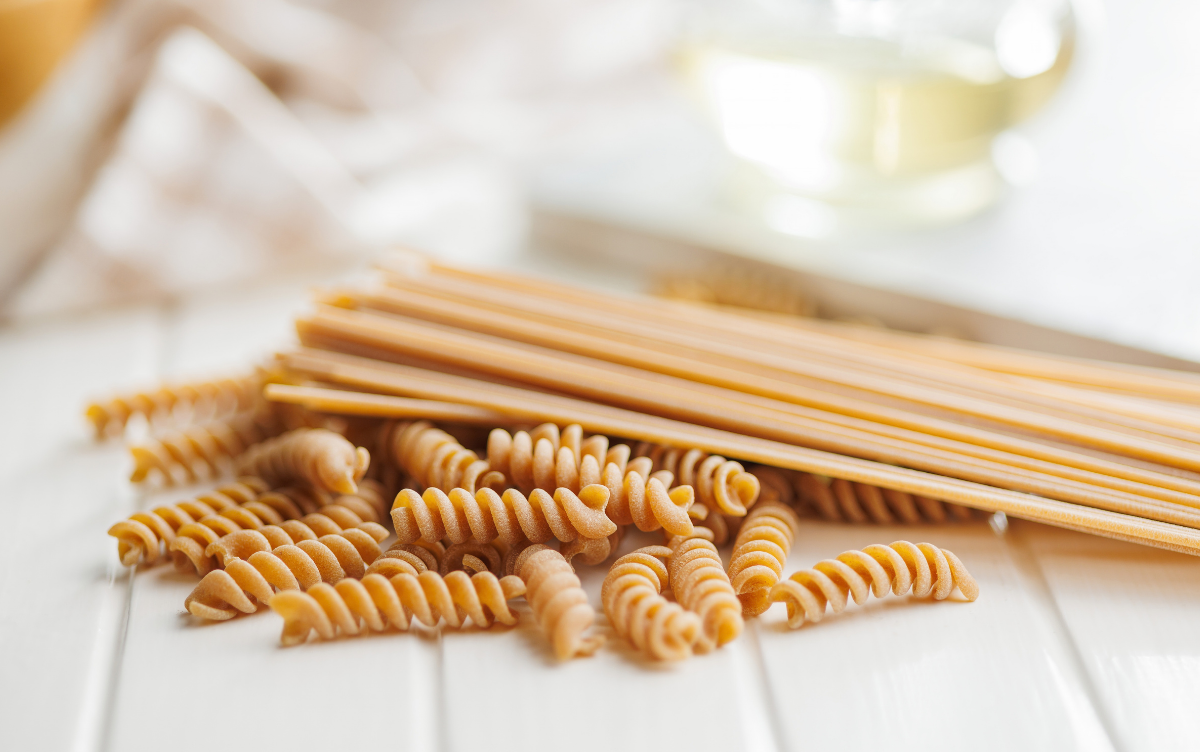
Dry pasta

Wholegrain and fibre: what’s the difference?

Wholegrain foods contain all parts of the grain. Examples include oats, wholemeal bread, brown rice and barley.

White bread and white rice have been processed, which removes parts of the grain and some of the fibre.

Choosing wholegrain versions of foods such as bread, pasta and rice can be a simple way to increase your fibre intake, but it’s important to eat a variety of other foods rich in fibre. Fibre is also found in foods such as fruit, vegetables, beans, lentils, nuts and seeds.

Using food labels

Food labels can help you choose foods that contain more fibre. 

Compare the fibre content per 100g when choosing between similar products, such as breads and breakfast cereals. 

As a guide: 

Fibre content (per 100g)What this means
3g fibre or more Source of fibre
6g fibre or more High in fibre

Wholemeal and wholegrain breads and cereals are usually higher in fibre than white versions. Brown bread is not the same as wholemeal bread. Some brown breads are coloured and may not contain much more fibre than white bread, so check the label if you are unsure.

Increase fibre gradually

If you are not used to eating high fibre foods, gradually increasing your fibre intake over a few weeks can help your body adjust more comfortably.  It’s also important to drink enough fluids when increasing your fibre intake. 


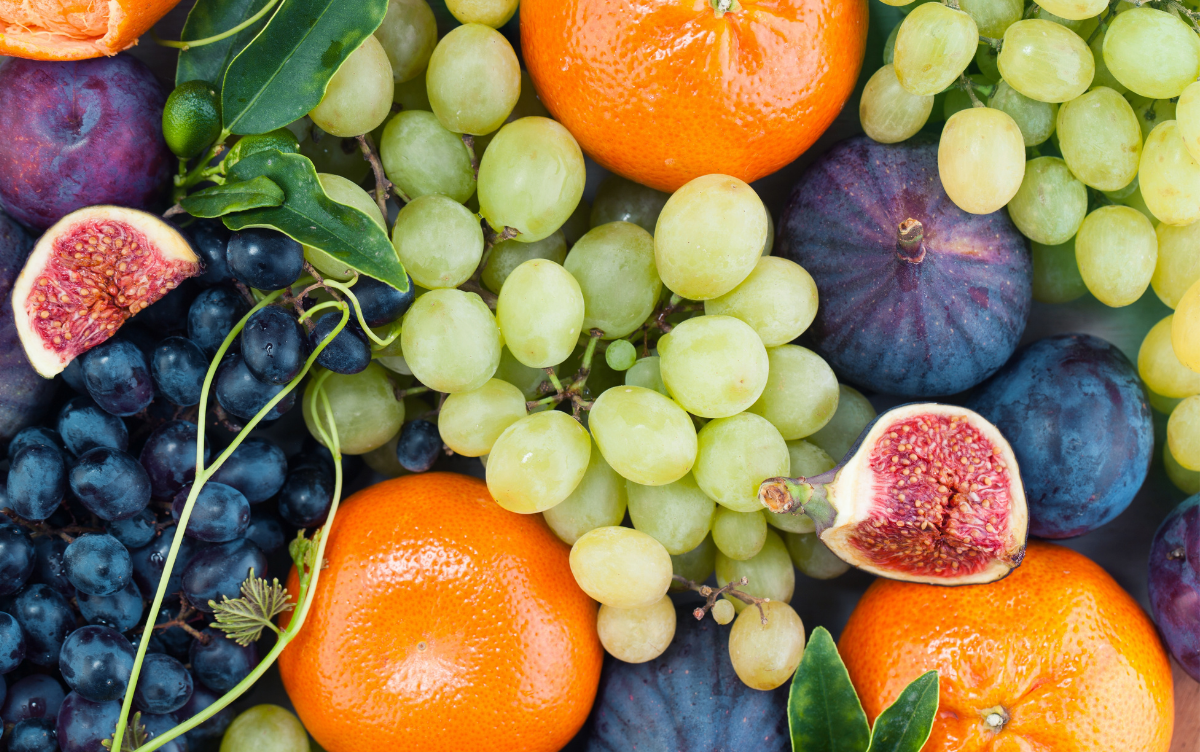
Colourful fruit and vegetables

Fibre for babies and children

From around six months of age, babies can gradually begin trying a variety of foods that contain fibre, including fruit, vegetables, beans and pulses.

As children grow, offering a variety of fibre rich foods can help them develop healthy eating habits and become familiar with different colours, flavours and textures.

Young children have small appetites, so very high fibre diets are not recommended because they may fill them up before they get the energy and nutrients needed for healthy growth.

Offer a variety of foods from the Eatwell Guide and increase fibre gradually as children get older.

Did you find this helpful? We would love to hear from you.
Thank you for your feedback!