
- Food supplements are not a replacement for food
- Food supplements are not medicines
- Food supplements must be sold in does form
- Taking too much of certain vitamins or minerals can be harmful
- Food supplements must meet legal labelling requirements
Know the facts: Food supplements
Key facts about food supplements
Overview
Choosing food supplements can be confusing, with many products claiming to boost health or wellbeing. These key facts aim to help you understand what food supplements are, how they are regulated, and what to look out for when buying them.
Facts about food supplements
Do I need to take food supplements?
Food supplements are intended to supplement the normal diet, not replace it. They should be used alongside a varied, balanced diet that provides most of the nutrients your body needs. Relying on supplements instead of eating a wide range of foods is not recommended.
Are food supplements medicines?
Food supplements are regulated as foods, not medicines. This means they cannot claim to treat, cure or prevent disease.
What forms do food supplements comes in?
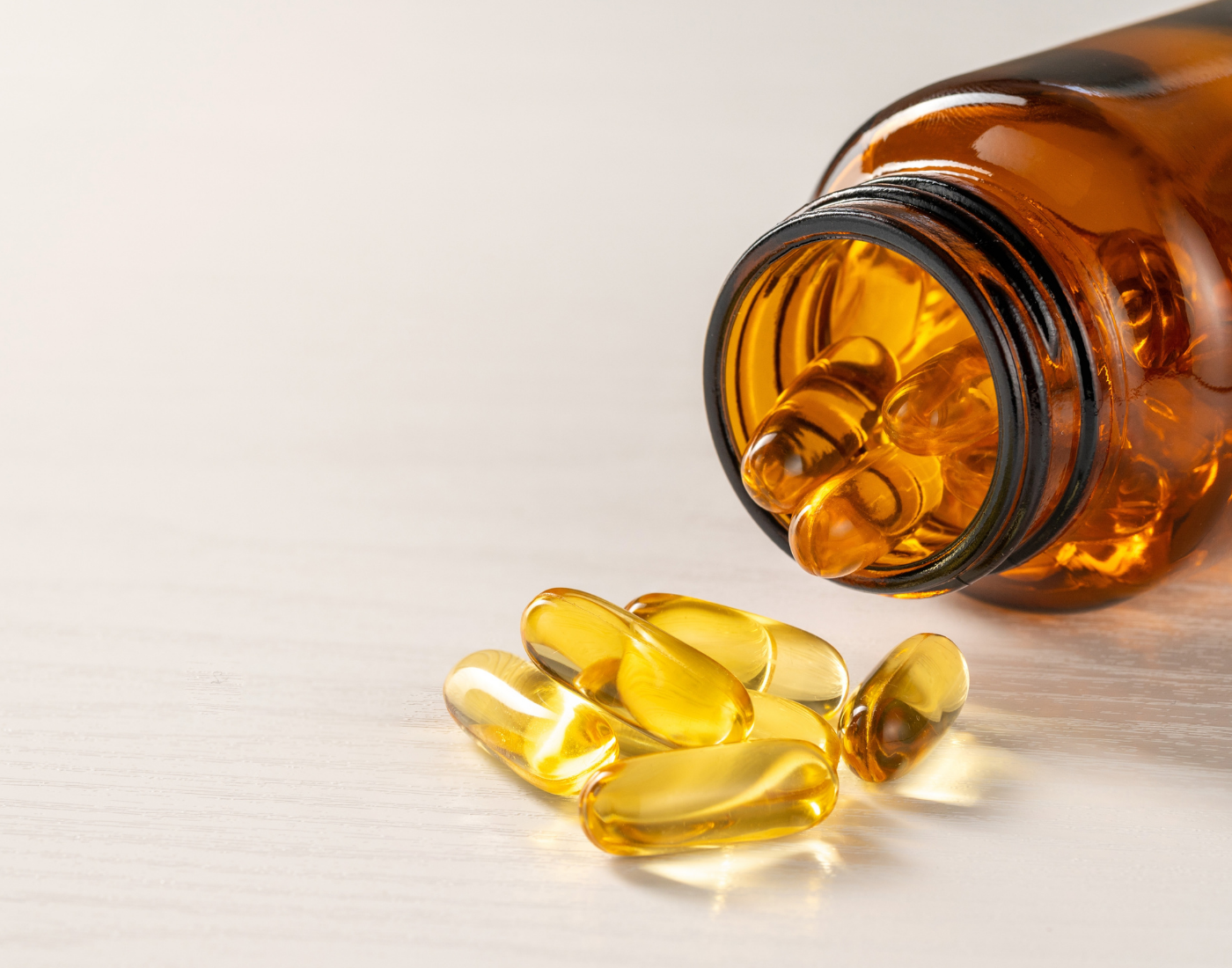
Food supplements must be sold in dose form, such as tablets, capsules, powders or liquids. They can contain vitamins, minerals, or other substances with a nutritional or physiological effect, for example amino acids, essential fatty acids, fibre, and plant or herbal extracts.
Can taking too many food supplements be harmful?
While they are important in helping to keep the body healthy, taking too much of certain vitamins or minerals can be harmful. Always follow the recommended daily dose on the label and avoid taking multiple supplements that contain the same ingredients unless advised by a healthcare professional.
You should also be aware of the levels of vitamins and minerals in any food supplement and how they compare to recommended daily intakes. You can find details of recommended intakes here Vitamins and minerals - NHS
How can I tell if a food supplement is safe?
Food supplements must meet legal labelling requirements. Labels must clearly state that the product is a food supplement, list the ingredients and nutrients with a nutritional or physiological effect and their amounts, include a recommended daily dose, and warn against exceeding the stated dose. Checking the label can help you make safer, more informed choices.
What is FSS's role regarding food supplements?
Food Standards Scotland (FSS) has policy responsibility for food safety, food composition standards and general food labelling in Scotland. This includes regulating food supplements as foods and providing advice to help consumers make informed choices.
FSS also works with local authorities to ensure businesses comply with food law and provides guidance to businesses. Ultimately, food businesses are responsible for ensuring the food supplements they sell are safe.