Food Supplements

Information for consumers who buy food supplements or who are looking to purchase food supplements

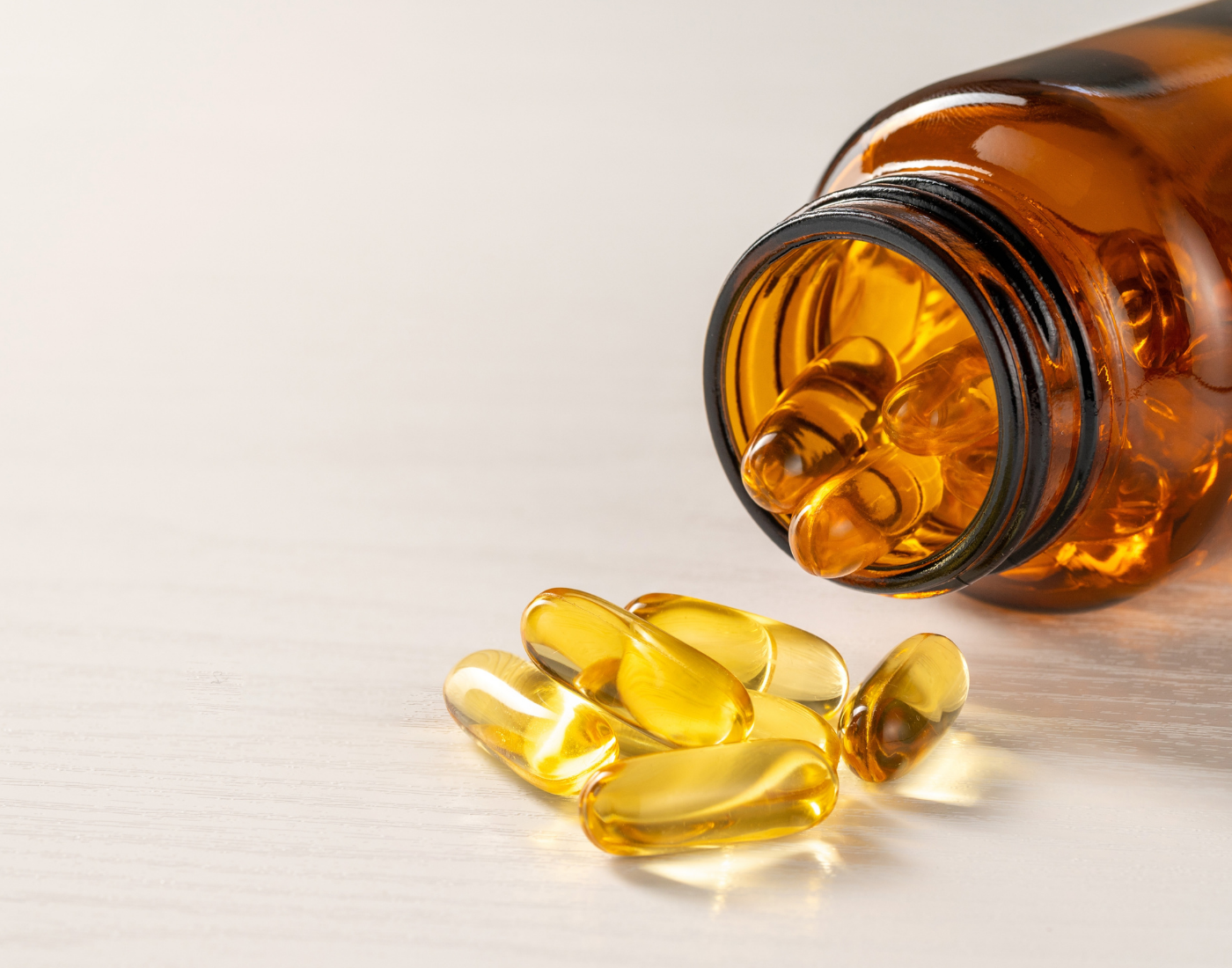
A glass bottle on its side with food supplement pills spilled out.

This information is for consumers who buy food supplements or who are looking to purchase food supplements. The information below will help you understand what is required of a business selling food supplements and what you can look out for when purchasing food supplements. 

In the UK, products described as food supplements (such as vitamins, minerals or amino acids) are regulated as foods, and in Scotland they are regulated by the Food Supplements (Scotland) Regulations 2003 (similar regulations apply in England, Wales and Northern Ireland). Food supplements are also subject to the provisions of general food law such as the Food Safety Act 1990.

Any business (such as gyms, tanning salons, fitness studios) selling food supplements must also be registered as a Food Business Operator with the environmental health services at their local authority.

What Is A Food Supplement?

A food supplement is defined in legislation as 'any food the purpose of which is to supplement the normal diet, and which is a concentrated source of a vitamin or mineral or other substance with a nutritional or physiological effect, alone or in combination and is sold in dose form'. 

A wide range of nutrients and other ingredients might be present in food supplements. These can include:

  • vitamins
  • minerals
  • amino acids
  • essential fatty acids
  • fibre
  • plant and herbal extracts

The vitamins and minerals and their forms that can be used in food supplements are provided by legislation. Only vitamins and minerals listed in Schedule 1 and in the form listed in Schedule 2  of Nutrition (Amendment etc.) (EU Exit) Regulations 2019 can be used in food supplements. However, these regulations do not set out a list of “other substances” that can be added to food. It is important to note that it is the responsibility of the food business to ensure that all such other substances used in food supplements are safe.

Food supplements are only intended to 'supplement' people's diets and should not be used to replace a varied, healthy diet.

Food supplements are not medicines and their use is not intended to treat, cure, or prevent disease in humans.

How Should Food Supplements Be Labelled?

Food Supplements must be labelled with certain information, as set out in Regulation 1169/2011 On Food Information To Consumers and Food Supplements (Scotland) Regulations 2003. For example, some of the items that food supplements must be labelled with include: 

  • being labelled as a “food supplement” and not “dietary supplement”
  • the manufacturer’s name and address
  • a list of ingredients, including common allergens which must be emphasised
  • conditions for use, including information on the recommended daily dose and a warning not to exceed this
  • storage instructions, including a statement that the product should be stored out of reach of young children
  • a nutritional declaration
  • a “use by” or a “best before” date
  • the name of any vitamins or minerals or other substances, such as amino acids or fatty acids
  • a statement that food supplements should not be used as a substitute for a varied diet

Nutrition And Health Claims

Food business operators must ensure that any nutrition claim (e.g. ‘low fat’) or health claim (e.g. ‘maintains healthy cholesterol levels’) on food supplement packaging complies with the relevant legislation, for example Regulation (EC) No 1924/2006 on nutrition and health claims made on foods and the Nutrition and Health Claims Regulations (Scotland) 2007. All nutrition or health claims made by food business operators must first be authorised/approved before being used on products for public consumption. Nutrition and health claims must be based on scientific evidence and may only be used in commercial communications if they have been authorised following scientific assessment of substantiating evidence. You can check whether claims are approved for use via the following link Great Britain Nutrition And Health Claims (NHC) Register.

Be aware of any claims made on the label of products, such as ‘reduces fatigue’, ‘train harder’, ‘train longer’, ‘increase in energy and recovery’, ‘boosts physical performance’, ‘formulated for quick absorption', which may not be approved for use. Product claims that may border on medical claims, or claims being promoted as having properties to prevent or treat disease in human beings or as being intended to be administered to human beings for medicinal reasons, may be considered a medicinal product, and not a food product.

 In this case please refer to the Medicines and Healthcare products Regulatory Agency’s (MHRA) guide to what is a medicinal product to determine if such a product falls under that category, or contact MHRA to obtain a regulatory opinion on the status of the product. This can be done through the Medicines Borderline Advice Form. The MHRA Borderline Unit can also be contacted at borderline_medicine@mhra.gov.uk.

Tips When Purchasing Food Supplements

When purchasing food supplements there are some things to look out for and checks you can do such as:

  • ensure that the food supplements are labelled correctly and contain the information stated above
  • only buy food supplements over the internet if you are confident that the business is reputable
  • beware of counterfeit products, particularly on the internet if the product’s price is considerably cheaper than from other suppliers
  • that the food supplement isn’t making any medical claims, such saying they can “cure” an illness
  • the correct units are used, for example ‘milligram (mg)’ or ‘microgram (mcg/µg)’. ‘International Units (IU)’ alone should not be used for food supplements
  • that the food supplements are only making authorised health claims. You can find a list of these here: Great Britain Nutrition And Health Claims (NHC) Register 

You should also be aware of the levels of vitamins and minerals in any food supplement and how they compare to recommended daily intakes. You can find details of recommended intakes in the UK Government Dietary Recommendations Paper

It is also very important when taking food supplements to read the label carefully and follow the dosage instructions on the label. Increasing serving sizes may lead to unsafe consumption levels. 

There is more information on Vitamin D and safe dosage levels on the Food Standards Scotland website. Everyone is recommended to take 10 microgram (mcg/µg) daily, but particularly through the winter months. 

The Responsibility Of The Business

It is the responsibility of any business who sells food supplements to:

  • register as a Food Business Operator with their environmental health service
  • ensure that all food (including supplements) that they sell are safe for consumption
  • to source their supplements/ingredients from a reputable supplier
  • keep traceability records
  • ensure the food supplements they sell are labelled correctly

These are not the only responsibilities which apply. Food business operators must also comply with other legislation, including general food law and specific food supplement legislation.

Reporting A Product

If you believe a food supplement is either harmful to health, unfit for people to eat or does not meet legal requirements, you should report the issue to your Local Authority who are primarily responsible for the enforcement of the relevant legislation at local level. You can find contact details for your local authority’s environmental health department on our website.

Contact - Local Authorities

If you have information about food crime, contact the Scottish Food Crime Unit On:

Telephone: 0800 028 7926
Email: foodcrime@fss.scot
Website: Scottish Food Crime Hotline | Crimestoppers (theiline.co.uk)

Did you find this helpful? We would love to hear from you.
Thank you for your feedback!