
- Washing chicken can increase the risk of food poisoning.
- Harmful bacteria from raw chicken can easily be transferred to other surfaces, utensils and foods from washing.
- It is not necessary to wash chicken – thorough cooking kills bacteria on chicken.
Know the food facts: Washing raw chicken
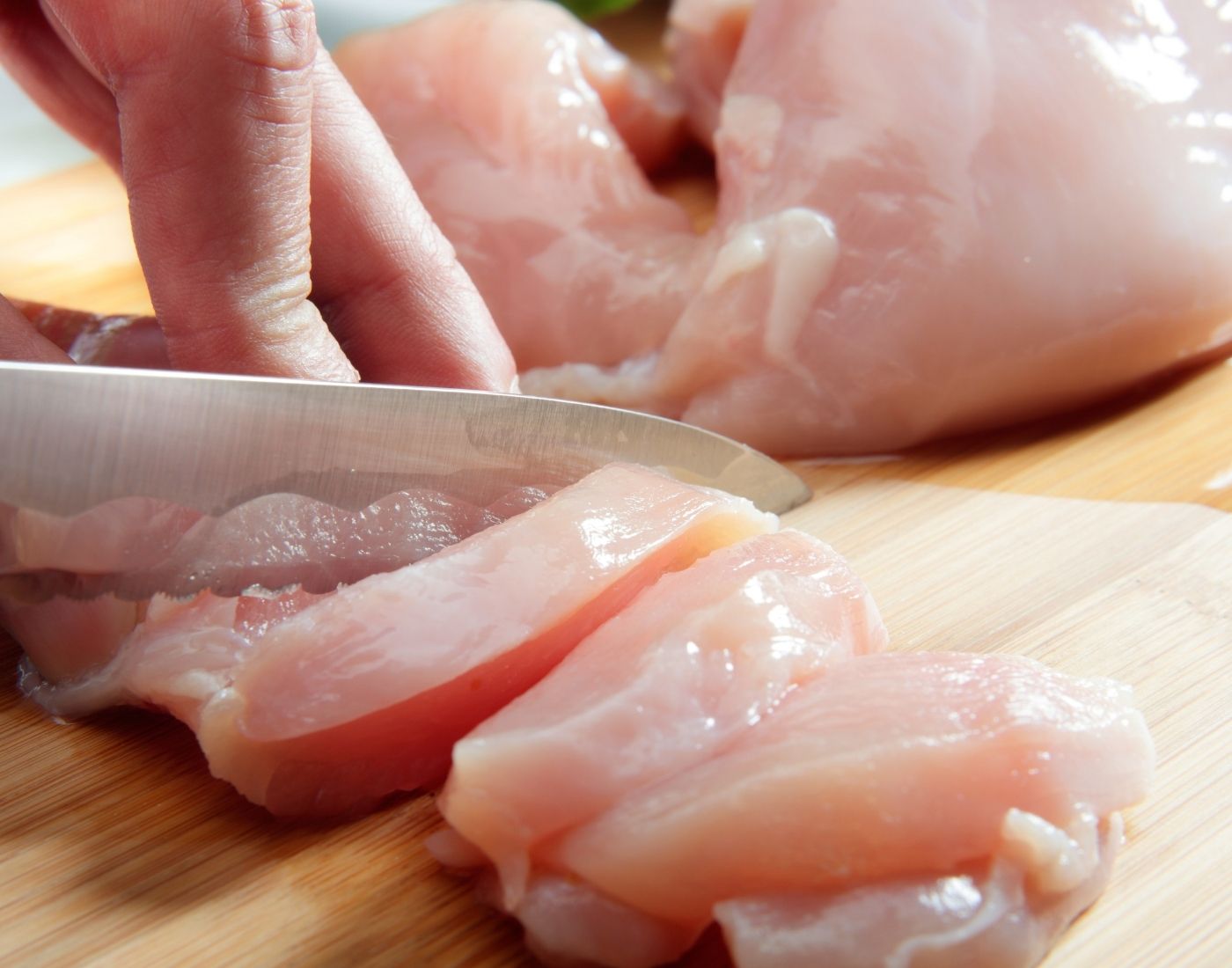
Key facts about washing raw chicken
Overview
Many people still wash raw chicken before cooking. Our research shows that one in three (33%) Scottish consumers wash chicken at least occasionally, with over half of this group reporting that they always wash it (Food and You 2).
Additional research on consumer practices and washing of raw chicken reported that more than half (51%) of respondents believed “you should wash any raw food that has been handled to avoid germs/bacteria” (Food in Scotland Consumer Tracker Wave 15).
Washing raw chicken is not recommended because it can spread harmful bacteria from the chicken onto hands, surfaces, utensils and other foods through splashing water. Even one drop of juice from raw chicken can have enough bacteria in it to infect a person.
The safest way to kill bacteria on chicken is to cook it thoroughly to 75°C until steaming hot with no pink meat and the juices run clear. This is why chicken should always be fully cooked before eating.
Facts about washing raw chicken
What happens when you wash raw chicken
Raw chicken can contain harmful bacteria that can cause food poisoning. Water droplets can splash bacteria onto worktops, utensils, sinks, taps, clothing and other foods. This is known as cross-contamination. Even small splashes can spread bacteria over a wide area in the kitchen.
Does washing chicken remove bacteria?
No. Washing raw chicken will not get rid of harmful bacteria. The only effective way to destroy these bacteria is to cook chicken thoroughly, until it is steaming hot with no pink meat.
Why is cross contamination a problem?
Cross-contamination happens when harmful bacteria are transferred from one surface, food or object to another, such as when washing raw chicken or via our hands if we do not wash them properly after handling raw chicken. As a result, bacteria from raw chicken can contaminate foods that are ready to eat, such as salad, fruit or bread. These foods may not be fully cooked before eating, allowing harmful bacteria to be consumed. Cross-contamination is a common cause of food poisoning and can easily happen during food preparation if good hygiene practices are not followed.
How can I handle raw chicken safely?
- Do not wash raw chicken before cooking it.
- Wash your hands thoroughly with soap and warm water after handling raw chicken.
- Use separate utensils and chopping boards for raw meat and ready-to-eat foods or wash them thoroughly between uses.
- Keep raw chicken separate from ready-to-eat foods during storage and preparation to reduce the risk of cross-contamination.
- Store raw chicken in a sealed container on the bottom shelf of the fridge to prevent any juices dripping onto other foods.
- Cook chicken thoroughly until it is steaming hot throughout, with no visible pink meat and juices run clear.
- Use a meat thermometer to check your chicken is fully cooked (to 75°C).
What is FSS's role in food safety?
FSS has a skilled team of scientists - including nutritionists, microbiologists, chemists, social scientists, and statisticians - who provide expert technical and scientific advice across our remit, including on food safety.
Our team stays up to date through training, collaboration, and participation in expert groups, conferences, and workshops, sharing their work through publications and presentations.
Our science is further supported by independent UK Scientific Advisory Committees, which offer expert guidance on risk assessment and evidence use.