
- Raw milk and cream may contain harmful bacteria that cause food poisoning
- Pasteurisation is mandatory in Scotland
- There have been outbreaks of foodborne illnesses related to raw milk in Europe and other countries where pasteurisation is not mandatory
- Raw milk can be contaminated through faecal contamination, poor hygiene, infections and infectious diseases
- Raw milk and pasteurised milk have virtually identical nutritional profiles
- Many other foods undergo pasteurisation too such as fruit juices, cider and beer.
Know the facts: Raw Milk
Key facts
Overview
Raw drinking milk refers to milk that has not been pasteurised. Pasteurisation is the process of using heat to inactivate harmful bacteria (pathogens). Raw milk may contain pathogens such as Campylobacter, Salmonella or harmful types of E. coli, which can cause food poisoning, hospitalisation and other severe health outcomes. In Scotland, the sale of raw (unpasteurised) drinking milk and cream for direct human consumption is not allowed.
With continued consumer and media interest in the topic, Food Standards Scotland (FSS), the public sector food body for Scotland, has put together six facts to help consumers make sense of the topic.
Facts about raw milk
What are the potential dangers of raw milk?
Raw milk and cream may contain harmful bacteria (pathogens) that can cause food poisoning and these products have been linked to foodborne outbreaks involving Salmonella, Campylobacter, Listeria monocytogenes and harmful types of E. coli .
Because raw milk has not undergone the heat treatment (also known as pasteurisation) any harmful bacteria potentially present in the milk can multiply rapidly, because milk provides natural environment for bacterial growth.
What is pasteurisation and why is it mandatory in Scotland?
To protect consumers and public health, pasteurisation has been mandatory for cow’s milk in Scotland since 1983 and for all other farmed animal milk since 2006.
Pasteurisation is a heat-treatment process that destroys harmful, disease-causing pathogens in foods and beverages. It extends shelf life and prevents foodborne illnesses without altering the product's nutritional value or flavour profile. This is because pasteurisation relies on precisely controlled time and temperature to target and kill pathogens, while keeping the heating of the food or beverage gentle enough to avoid denaturing proteins.
Pasteurisation is named after the French scientist Louis Pasteur. In the 1860s, he wanted to find out why beverages were spoiling and turning into vinegar. Pasteur discovered that spoilage was caused by living microorganisms and that heating a liquid for a controlled time and temperature killed these microorganisms without affecting the taste.
Has there been any recent foodborne illnesses related to raw milk?
With the introduction of mandatory pasteurisation, there have been no outbreaks of foodborne illness in Scotland in recent years linked to the consumption of raw milk. There have been outbreaks in other parts of Europe and the rest of the world in countries where pasteurisation of milk is not mandatory.
How does raw milk become contaminated?
Raw milk can be contaminated through four main routes:
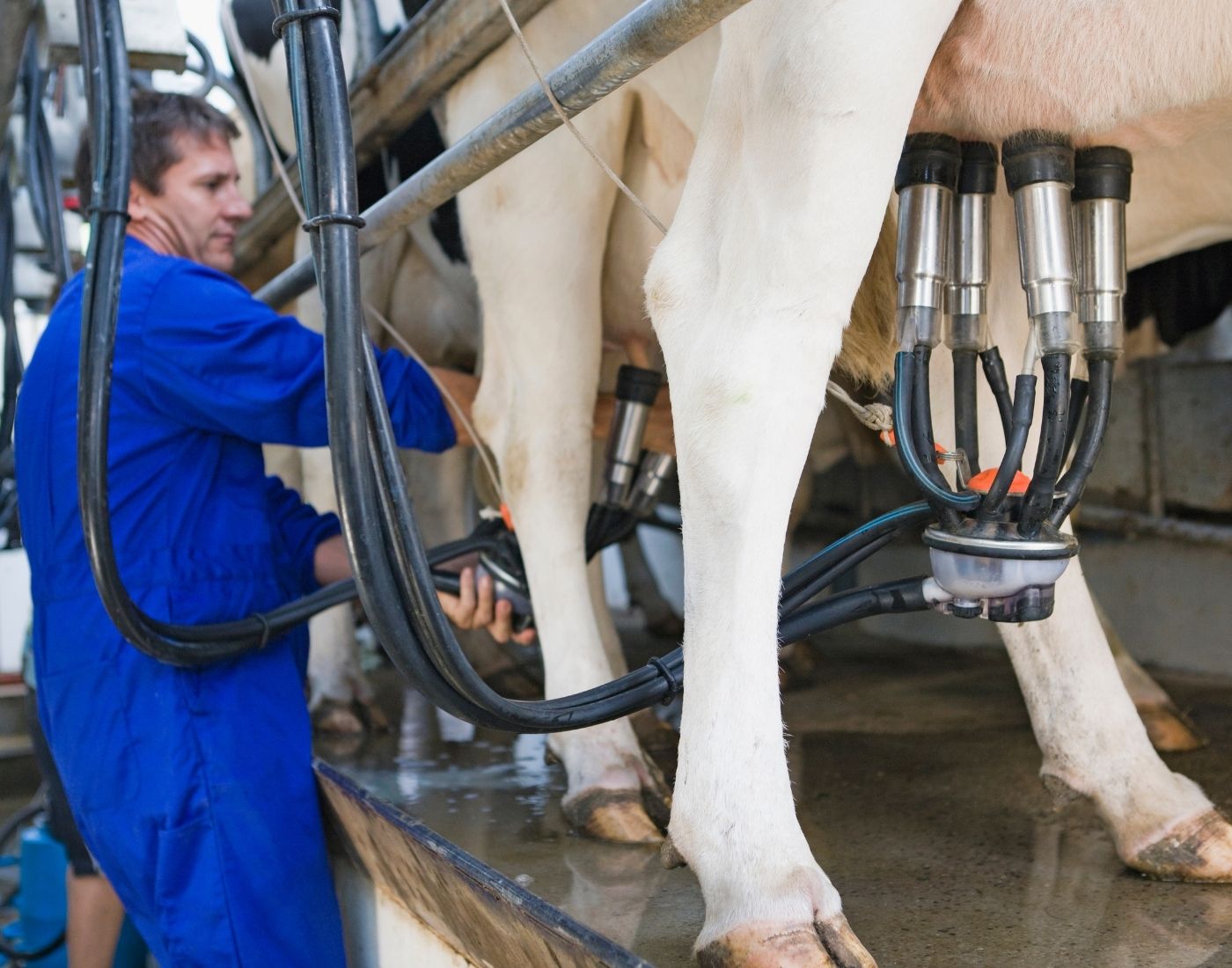
- Faecal contamination where bacteria from animal waste enters the milk if manure comes into contact with udders or milk during milking.
- Udder infections where the cow can release harmful bacteria directly into the milk.
- Cattle’s infectious diseases – Pathogens in the animal’s bloodstream from infectious diseases can spread to the udder and contaminate the milk.
- Poor hygiene in milking equipment, storage, water, or human handling can introduce pathogens in the milk.
Is raw milk nutritionally superior to pasteurised milk?
Despite claims that raw milk is nutritionally superior to pasteurised milk, scientific research has shown repeatedly that they have virtually identical nutritional profiles. This is because pasteurisation destroys harmful bacteria without significantly altering the vitamins, proteins, or calcium bioavailability in milk. Additionally, raw milk contains similar levels of lactose as pasteurised milk with clinical research showing no difference in lactose intolerance symptoms or allergic reactions.
Do other foods undergo pasteurisation?
The word pasteurisation is often attributed specifically to milk and milk products, but there are plenty of other foods that undergo pasteurisation to prevent foodborne illness and increase shelf life. Examples of these include (and are not limited to) fruit juices, cider, beer, wine, liquid egg products, condiments such as ketchup, bbq or other tomato-based sauces.
What is FSS's role regarding raw milk?
FSS has a skilled team of scientists - including nutritionists, microbiologists, chemists, social scientists, and statisticians - who provide expert technical and scientific advice across our policy areas.
Our team stays up to date through training, collaboration, and participation in expert groups, conferences, and workshops, sharing their work through publications and presentations.
Our science is further supported by independent UK Scientific Advisory Committees, which offer expert guidance on risk assessment and evidence use.
FSS and the Food Standards Agency also jointly designates a UK wide network of National Reference Laboratories and Official Food and Feed Laboratories. They provide an additional source of expert technical advice on the testing of food and animal feed for a range of regulated microbiological and chemical contaminants.