
- Nitrates and nitrites are permitted food additives.
- Added nitrates and nitrites play an important role in microbiological food safety.
- There are regulatory limits for added nitrates and nitrites which are based on expert risk assessments.
- Some nitrates and nitrites are found naturally in the food we eat, such as vegetables.
- The Eat Well Guide details how we should aim to eat no more than 70g of red and processed meat a day.
Know the facts: Nitrates and nitrites
Key facts about nitrates and nitrites
Overview
Nitrites and nitrates are naturally occurring compounds which can be used as food additives, especially in processed meats, to preserve colour, enhance flavour, and prevent harmful bacterial growth under strict regulatory limits.
Facts about nitrates and nitrites
Are nitrates and nitrites a risk to human health?
Food Standards Scotland has considered the potential risks from nitrites and nitrates in processed meats and recognises that added nitrates and nitrites play an important role in microbiological food safety.
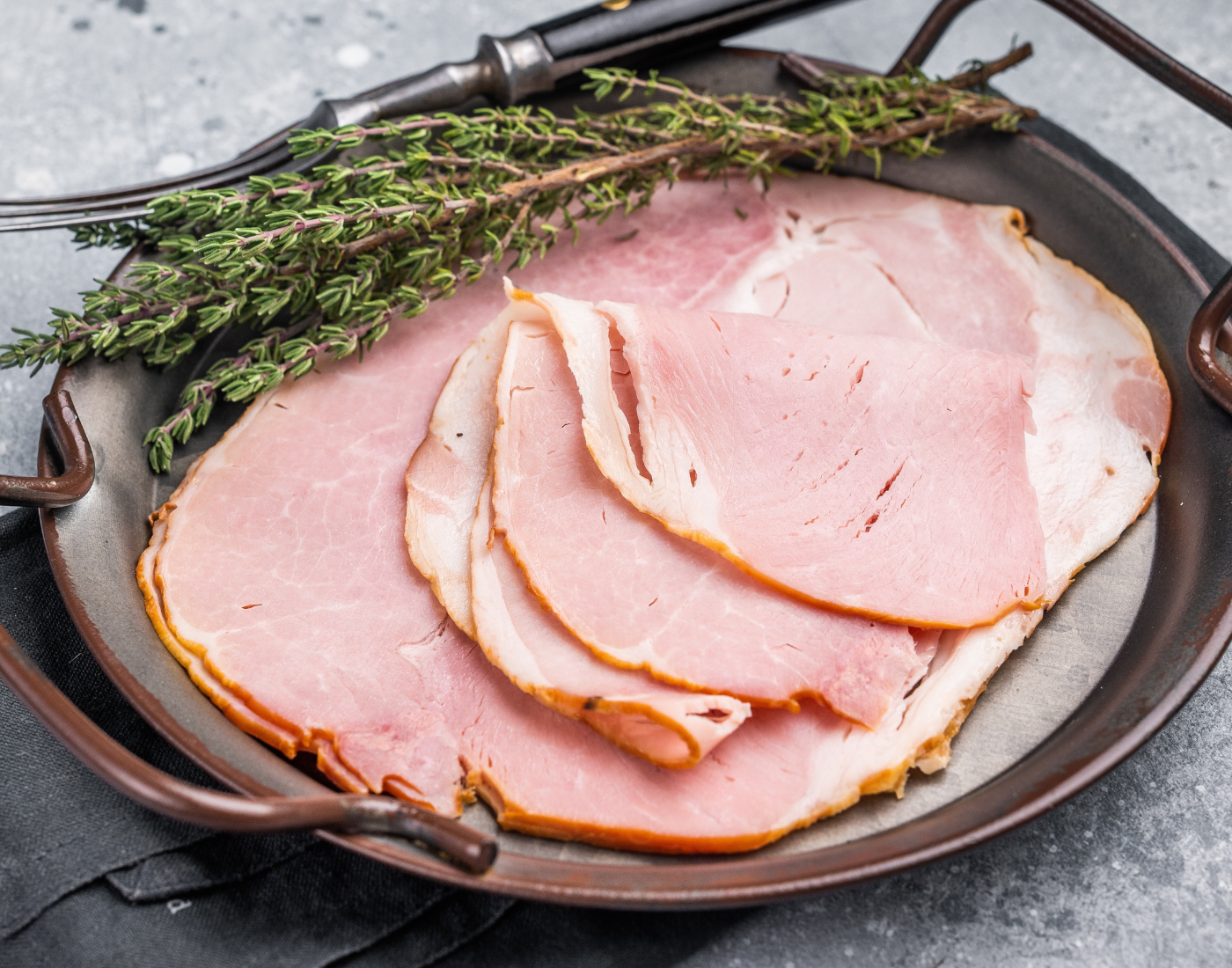
Added nitrites and nitrates help prevent harmful bacteria, such as Clostridium botulinum, in cured meats like bacon, ham, and sausages, and also preserve their colour and flavour. Clostridium botulinum is a bacterium which can grow and produce a harmful toxin in conditions without oxygen such as vacuum-packing. Vacuum packed products such as chilled sliced meats use added nitrates and nitrites to minimise the risk of bacterial growth and toxin production during the shelf-life of the product.
What are the limits for nitrates and nitrites in food?
Regulatory limits for added nitrates and nitrites are based on expert risk assessments.
To understand more about FSS and the FSA’s risk analysis process, click here: Risk analysis | Food Standards Scotland
Are some nitrates and nitrites found naturally in food?
Nitrates and nitrites are found naturally in the food we eat. Most come from vegetables and only around 5% come from processed food.
What is the dietary advice regarding foods containing nitrates and nitrites?
Evidence shows that regularly eating large amounts of red and processed meat is associated with an increased risk of cancer, especially bowel cancer. However, the reasons for this may be complex and there is currently no evidence to suggest that eating red and processed meats without added nitrates and nitrites is safer. The Eat Well Guide details how we should aim to eat no more than 70g of red and processed meat a day.
What is FSS's role regarding nitrates and nitrites?
FSS will continue to review the evidence for the risks from nitrates and nitrites to ensure that consumers are protected. All food additives are evaluated for safety including assessment of the risk to human health based on the levels at which an additive is likely to be present in the diet and are required to be used only at the lowest effective levels.