
4. Food Issues
FSS’s role (set out in law) is to safeguard public health and protect the interests of consumers in Scotland in relation to food. This section provides an overview of consumer confidence in food, concerns about where food is produced, changes to eating habits and food-related behaviours and food allergies and intolerances.
4.1 Confidence in Food
There is a high level of confidence in food being safe to eat and that the information on food labels is accurate among respondents. 95% of respondents stated that they are very or fairly confident that the food they buy is safe to eat and 87% are very or fairly confident that the information on food labels (e.g. ingredients, nutritional information, country of origin) is accurate[29].
Over 3 in 4 respondents (78%) are very or fairly confident in the food supply chain. That is all the processes involved in bringing the food to people’s tables[30].
Figure 8: Confidence that producers, processors, manufacturers and retailers ensure food is safe to eat
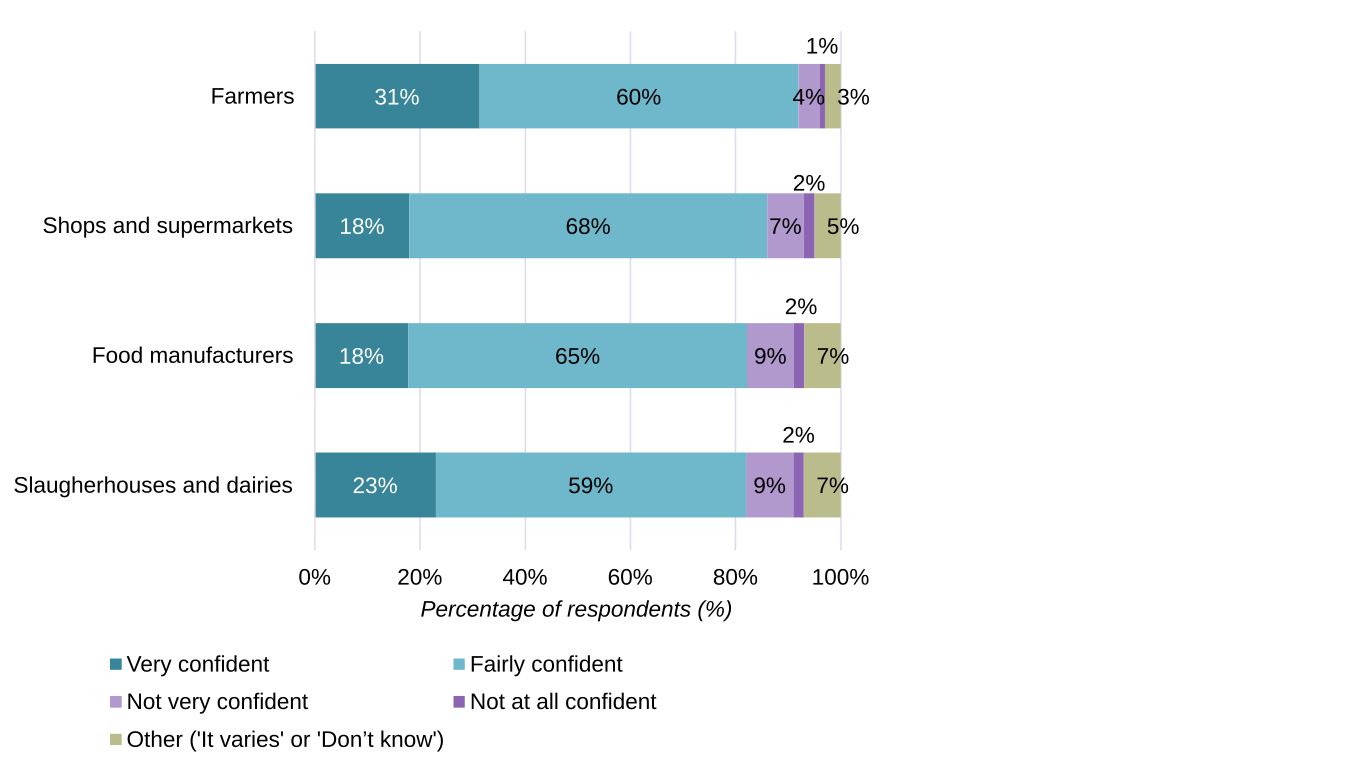
Here is a visual only chart of: A clustered bar chart displays confidence levels that farmers, slaughterhouses & dairies, food manufacturers, and shops & supermarkets ensure that food is safe to eat. Overall confidence is high: farmers lead with 91% very/fairly confident; slaughterhouses & dairies, and manufacturers are each around the low-80s%, and shops & supermarkets are mid-80s%. Smaller percentages of respondents are not very/not at all confident, with a small ‘don’t know/varies’ group.
Please find more information provided in the detailed description and/or table below.
A clustered bar chart displays confidence levels that farmers, slaughterhouses & dairies, food manufacturers, and shops & supermarkets ensure that food is safe to eat. Overall confidence is high: farmers lead with 91% very/fairly confident; slaughterhouses & dairies, and manufacturers are each around the low-80s%, and shops & supermarkets are mid-80s%. Smaller percentages of respondents are not very/not at all confident, with a small ‘don’t know/varies’ group.
Source: Food and You 2 Wave 10 (Scotland)
Confidence in producers, processors, manufacturers and retailers in the UK ensuring that the food respondents buy is safe to eat is generally high. Confidence is particularly high in farmers in the UK with 91% of respondents being very or fairly confident that farmers ensure food is safe to eat. Around 8 in 10 respondents are very or fairly confident that slaughterhouses and diaries (82%), food manufacturers (83%) and shops and supermarkets (86%) in the UK ensure food is safe to eat[31].
Figure 9: Confidence out-of-home establishments ensure food is safe to eat
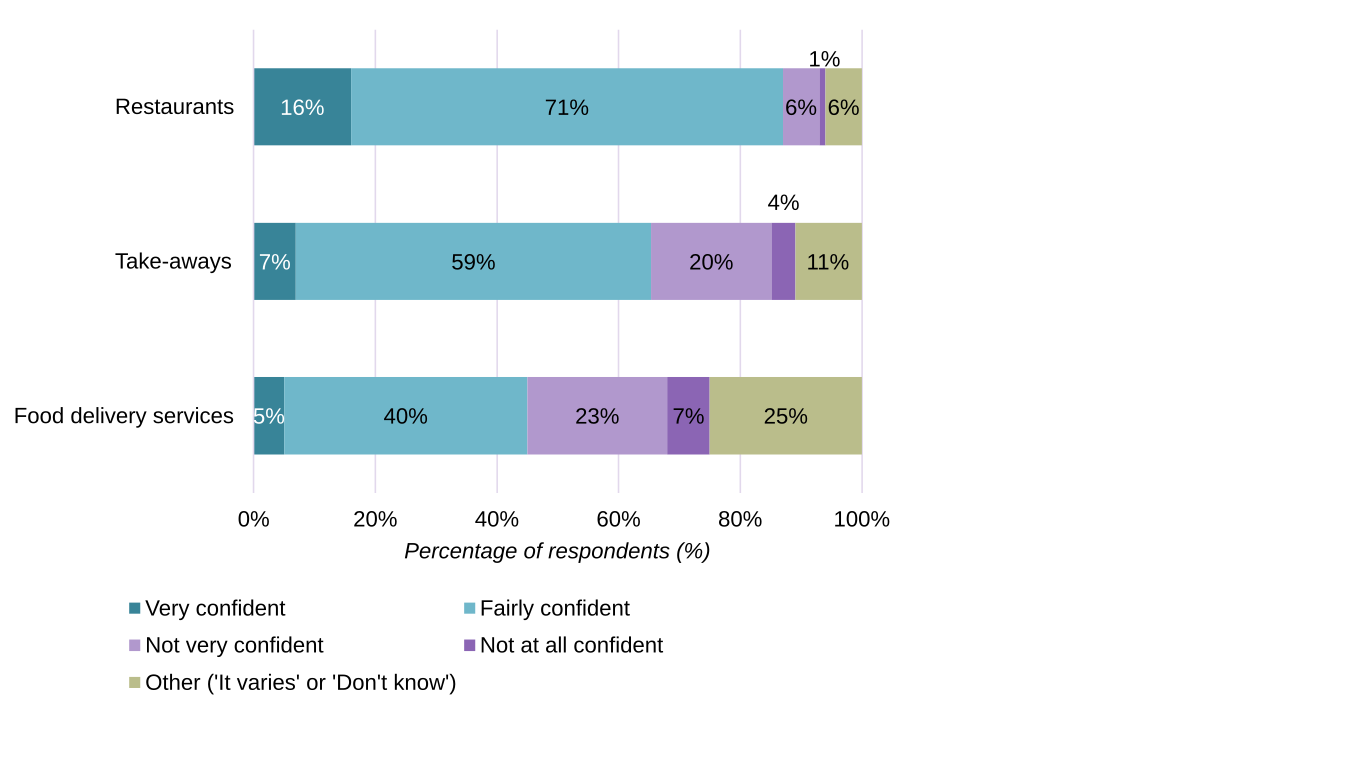
Here is a visual only chart of: A clustered bar chart compares confidence that food is safe to eat in restaurants, takeaways, and online ordering/delivery services. Restaurants score highest with 87% very/fairly confident. Takeaways are lower at 66%, and online ordering/delivery is lowest at 45%.
Please find more information provided in the detailed description and/or table below.
A clustered bar chart compares confidence that food is safe to eat in restaurants, takeaways, and online ordering/delivery services. Restaurants score highest with 87% very/fairly confident. Takeaways are lower at 66%, and online ordering/delivery is lowest at 45%.
Source: Food and You 2 Wave 10 (Scotland)
Respondents were asked about their levels of confidence in out-of-home establishments ensuring that food they buy is safe to eat. Nearly 9 out of 10 respondents (87%) are very or fairly confident that restaurants in the UK ensure food is safe. Around 2 out of 3 respondents (66%) are very or fairly confident in take-aways in the UK, while less than half (45%) are confident in online ordering and delivery services ensuring that food is safe to eat[32].
4.2 Food concerns
Respondents were asked for their level of concern about food produced in the UK and food from outside the UK in terms of being safe and hygienic and being what it says it is. Concern about food from outside the UK was nearly double that of concern about food produced in the UK.
Figure 10: Concerns about food produced in the UK and from outside the UK
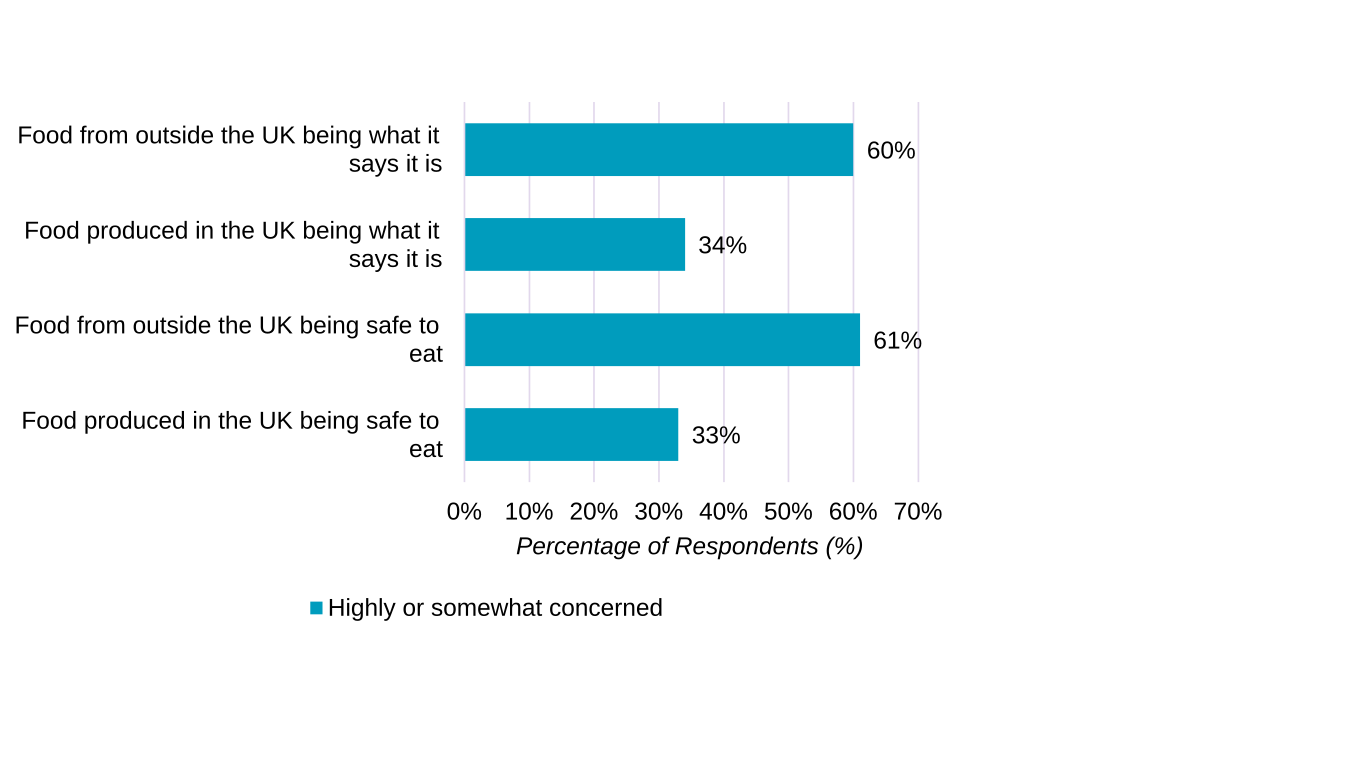
Here is a visual only chart of: A paired bar chart contrasts concern levels for food produced in the UK and food from outside the UK food on two dimensions: being safe to eat and being what it says it is. Concern is consistently higher for food from outside the UK: 61% concerned about safety and 60% about authenticity, compared with 33% and 34% for UK-produced food respectively.
Please find more information provided in the detailed description and/or table below.
A paired bar chart contrasts concern levels for food produced in the UK and food from outside the UK food on two dimensions: being safe to eat and being what it says it is. Concern is consistently higher for food from outside the UK: 61% concerned about safety and 60% about authenticity, compared with 33% and 34% for UK-produced food respectively.
Source: Food and You 2 Wave 10 (Scotland)
One third of respondents (33%) reported that they were highly or somewhat concerned about food produced in the UK being safe and hygienic while 61% were highly or somewhat concerned about food outside the UK being safe and hygienic. Similarly, around one third (34%) were highly or somewhat concerned about food produced in the UK being what it says it is while 60% were highly or somewhat concerned about food from outside the UK being what it says it is[33].
4.3 Changes to eating habits and food-related behaviours
FSS’s vision as set out in the 2021 to 2026 strategy is of a ‘safe, healthy and sustainable food environment’ in Scotland which ‘empowers consumers to make safe, healthy, and sustainable choices’.
Figure 11: Changes to eating habits and food-related behaviours which respondents had made in the previous 12 months
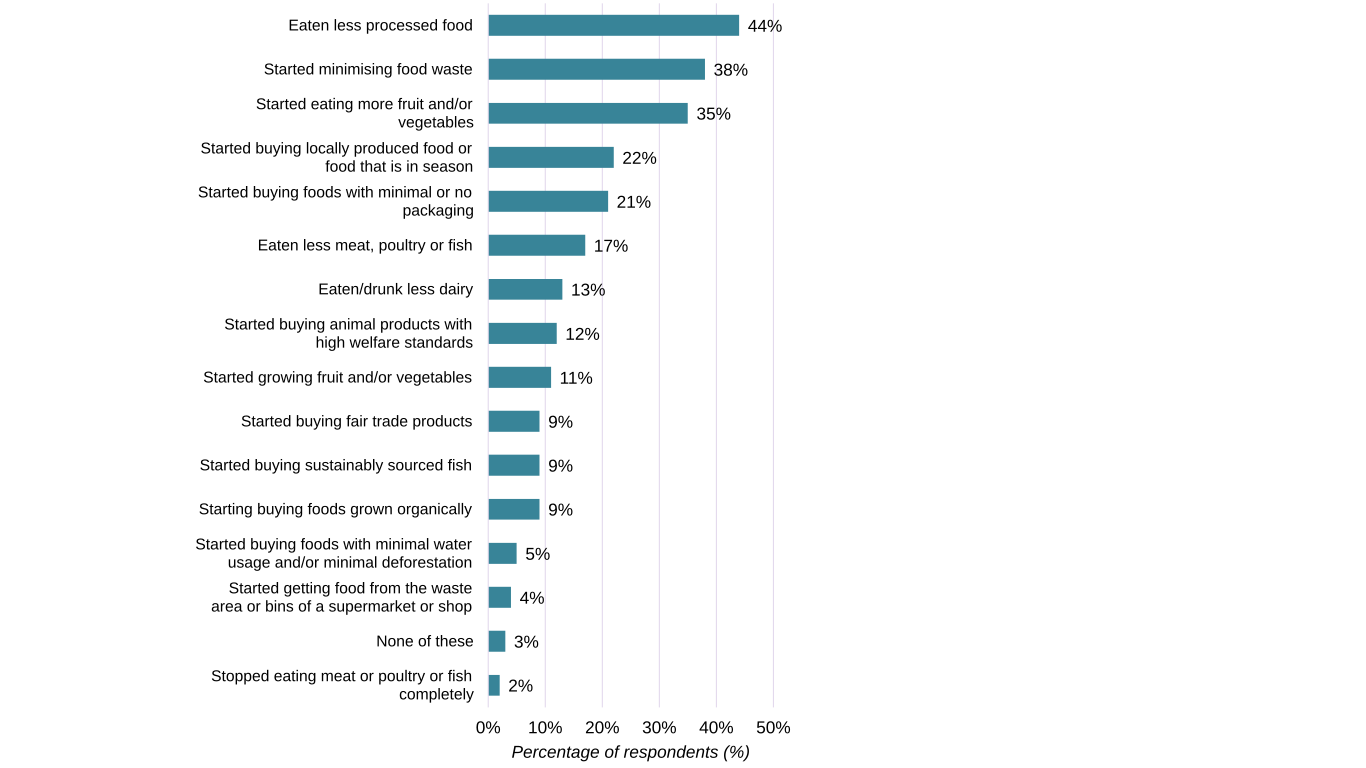
Here is a visual only chart of: A horizontal bar chart lists changes to eating habits and food-related behaviours made by respondents in the last year. The most common changes are eaten less processed food (44%) and started minimising food waste (38%). Other notable changes include started eating more fruit/veg (35%), buying locally produced or in-season food (22%), buying food with minimal/no packaging (21%), and eating less meat/poultry/fish (17%). Only 3% report none of the listed changes.
Please find more information provided in the detailed description and/or table below.
A horizontal bar chart lists changes to eating habits and food-related behaviours made by respondents in the last year. The most common changes are eaten less processed food (44%) and started minimising food waste (38%). Other notable changes include started eating more fruit/veg (35%), buying locally produced or in-season food (22%), buying food with minimal/no packaging (21%), and eating less meat/poultry/fish (17%). Only 3% report none of the listed changes.
Source: Food and You 2 Wave 10 (Scotland)
Respondents were asked from a list of options which, if any, changes they had made in the previous 12 months. The most common changes reported by respondents were that they had eaten less processed food (44%) and started minimising food waste (38%). Over a third of respondents reported that they had started eating more fruit and/or vegetables (35%) and 22% reported that they had started buying locally produced food or food that is in season. Around one in five respondents had started buying food with minimal or no packaging (21%) and/or had eaten less meat, poultry, or fish (17%) in the previous 12 months. Only 3% of respondents reported that they had not made any of the listed changes in the previous 12 months (Figure 12)[34].
4.4 Food allergies and intolerances
Some people experience an adverse physical reaction which occurs as a result of consuming a particular food. This might be the result of a food allergy, food intolerance, or Coeliac disease[35].
A food allergy occurs when the immune system (the body’s defence) mistakes the proteins in food as a threat. Symptoms of a food allergy can vary from mild symptoms to very serious symptoms, and can include itching, hives, vomiting, swollen eyes and airways, or anaphylaxis which can be life-threatening.
Food intolerance is difficulty in digesting specific foods which causes unpleasant reactions such as stomach pain, bloating, diarrhoea, skin rashes, or itching. Food intolerance is not an immune condition and is not life-threatening.
Coeliac disease is an autoimmune condition caused by gluten, a protein found in wheat, barley and rye and products using these as ingredients. The immune system attacks the small intestine which damages the gut and reduces the ability to absorb nutrients. Symptoms of coeliac disease can include diarrhoea, abdominal pain, and bloating.
By law, food businesses in Scotland and across the UK must inform customers if they use any of 14 food substances causing allergens or intolerances[36] in the food and drink they provide.
Food businesses can also voluntarily provide information about the unintentional presence of these 14 allergens which may occur during the production process, for example when several products are made on the same premises. This is called precautionary allergen labelling (PAL) and includes labels such as ‘may contain x’ or ‘not suitable for consumers with a x allergy’. PAL information can be provided verbally or in writing but should only be provided where there is an unavoidable risk of allergen cross-contact that cannot be sufficiently controlled through risk management actions.
4.4.1 Prevalence and diagnosis of food allergies and intolerances
Around a quarter (22%) of respondents reported that they suffer from a bad or unpleasant physical reaction after consuming certain foods or avoid certain foods because of the bad or unpleasant physical reaction they might cause[37]. The type of food allergy or intolerance among respondents is not reported due to low numbers of respondents who reported these.[38]
Most respondents (75%) reported that they did not have a food allergy or intolerance.
Females were more likely to report that they a bad or unpleasant reaction to food (28%) than males (16%).
Respondents who reported having a bad or unpleasant reaction were asked how they had found out about their condition. Just under 1 in 5 (19%) of respondents who had a food allergy or intolerance had been diagnosed by an NHS or private medical practitioner and 5% had been diagnosed by an alternative or complementary therapist. However, most respondents (76%) had not received any diagnosis[39].
References:
[29] Question: How confident are you that…(a) the food you buy is safe to eat (b) the information on food labels is accurate (e.g. ingredients, nutritional information, country of origin? Responses: Very confident, confident, not very confident, not at all confident, it varies, don’t know. Base = 1306.
[30] Question: How confident are you in the food supply chain? That is all the processes involved in bringing food to your table. Responses: Very confident, confident, not very confident, not at all confident, it varies, don’t know. Base = 1306.
[31] Question: How confident are you that…(a) Farmers in the UK ensure the food you buy is safe to eat (b) slaughterhouses and diaries in the UK ensure the food you buy is safe to eat (c) food manufacturers (e.g. factories) ensure that food you buy is safe to eat (d) shops and supermarkets in the UK ensure the food you buy is safe to eat? Responses: Very confident, confident, not very confident, not at all confident, it varies, don’t know. Base = 1306.
[32] Question: How confident are you that…(a) Restaurants in the UK (b) Takeaways in the UK (c) Online ordering and delivery companies e.g. Just Eat, Deliveroo or Uber Eats etc ensure the food you buy is safe to eat? Responses: Very confident, confident, not very confident, not at all confident, it varies, don’t know. Base = 1306.
[33] Question: Thinking about food in the UK today, how concerned, if at all, do you feel about each of the following topics? (a) Food produced in the UK being safe and hygienic (b) Food from outside the UK being safe and hygienic (c) Food produced in the UK being what it says it is (d) Food from outside the UK being what it says it is. Responses: Highly concerned, somewhat concerned, not very concerned, not at all concerned, don’t know. Base N = 911.
[34] Question: Which, if any, of the following changes have you made in the last 12 months? Responses: Stopped eating meat or poultry or fish completely, Eaten less meat or poultry or fish, Eaten/drunk less dairy, Eaten less processed food, Started eating more fruit and/or vegetables, Started minimising food waste, Started growing fruit and/or vegetables, Started buying animal products with high welfare standards, Started buying fair trade products, Started buying locally produced food or food that is in season, Started buying foods with minimal or no packaging, Started buying foods that have been produced with minimal water usage and/or minimal deforestation, Started buying foods grown organically, Started buying sustainably sourced fish, Other, None of these, Don’t know. Base = 911, all online respondents, and those answering the ‘Eating at Home’ postal questionnaire.
[35] ‘Food hypersensitivity’ is an umbrella term adopted by the FSA and refers to a bad or unpleasant physical reaction which occurs as a result of consuming a particular food. This can include a food allergy, food intolerance and coeliac disease. FSS have not adopted ‘Food hypersensitivity’ as a reference term, instead using ‘food allergens and intolerances’.
[36] Allergens: celery, cereals containing gluten (such as barley and oats), crustaceans (such as prawns, crabs and lobsters), eggs, fish, lupin, milk, molluscs (such as mussels and oysters), mustard, peanuts, sesame, soybeans, sulphur dioxide and sulphites, and tree nuts (such as almonds, hazelnuts, walnuts, Brazil nuts, cashews, pecans, pistachios and macadamia nuts).
[37] Question: Do you suffer from a bad or unpleasant physical reaction after consuming certain foods, or avoid certain foods because of the bad or unpleasant physical reaction they might cause? Responses: Yes, No, Don’t know, Prefer not to say. Base = 1306, all respondents.
[38] N=288
[39] Question: How did you find out about your problem with these foods? Responses: I have been diagnosed by an NHS or private medical practitioner (for example GP, dietician, allergy specialist in a hospital or clinic), I have been diagnosed by an alternative or complementary therapist (for example homeopath, reflexologist, online or walk-in allergy testing service), I have noticed that this food causes me problems, but I have not been formally diagnosed with a specific condition, Other. Base = 295, all respondents who suffer from a bad or unpleasant physical reaction after consuming certain foods, or avoid certain foods because of the bad or unpleasant physical reaction they might cause.