
3. Eating out and takeaways
Introduction
FSS aims to improve the diet of the population in Scotland, with the vision of a food environment where healthy options are accessible to all.
FSS monitors and publishes data on the out of home food environment, which includes food and drink purchased and consumed outside the home. Eating out of home extends beyond a sit-down meal, and more commonly includes eating 'on the go', takeaways and home delivered food. The out of home environment makes a significant contribution to diets and calories consumed in Scotland, with the food and drink available often high in calories, fat, salt and sugar.
This chapter provides an overview of respondents’ eating out and takeaway ordering habits and the factors that are considered when deciding where to eat out or order a takeaway from.
Eating out and ordering takeaway
3.1 Prevalence of eating out and ordering takeaway
Figure 4: Type of food businesses respondents had eaten at or ordered food from in the previous four weeks [22]
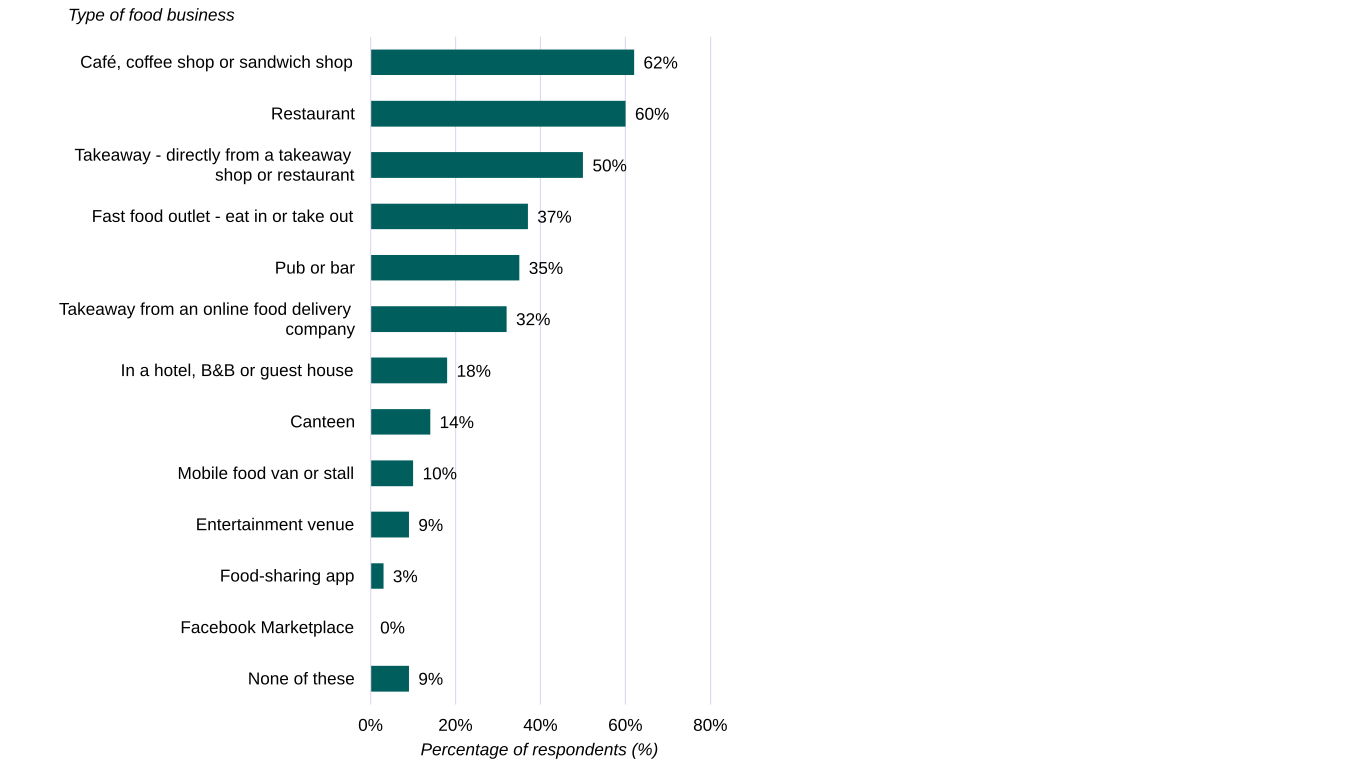
Here is a visual only chart of: A vertical bar chart lists the places respondents ate from in the previous four weeks. Top categories are café/coffee shop/sandwich shop (62%) and restaurant (60%). Takeaway directly from a shop/restaurant is 50%, fast-food outlets stand at 37% and pub/bar is 35%. 32% had eaten or order food from online delivery companies (e.g., Just Eat, Deliveroo, Uber Eats). Other types of businesses (hotel, B&B or guest house, canteen, mobile food van or stall, entertainment venue, food sharing app and Facebook Marketplace) were less well used with between 0%-14% using in the previous four weeks. Nine percent had not eaten at or ordered food from any of the food businesses listed in the previous four weeks.
Please find more information provided in the detailed description and/or table below.
A vertical bar chart lists the places respondents ate from in the previous four weeks. Top categories are café/coffee shop/sandwich shop (62%) and restaurant (60%). Takeaway directly from a shop/restaurant is 50%, fast-food outlets stand at 37% and pub/bar is 35%. 32% had eaten or order food from online delivery companies (e.g., Just Eat, Deliveroo, Uber Eats). Other types of businesses (hotel, B&B or guest house, canteen, mobile food van or stall, entertainment venue, food sharing app and Facebook Marketplace) were less well used with between 0%-14% using in the previous four weeks. Nine percent had not eaten at or ordered food from any of the food businesses listed in the previous four weeks.
Source: Food and You 2 Wave 10 (Scotland)
Respondents were asked where they had eaten out or ordered food from in the previous four weeks[23]. Around three in five had eaten out in a restaurant (60%) or from a café, coffee shop or sandwich shop (either to eat in or take out) (62%). Half had ordered a takeaway directly from a takeaway shop or restaurant (50%) and 35% had eaten out in a pub or bar. Over a third of respondents had eaten food from a fast-food outlet (either to eat in or take out) (37%) or ordered a takeaway via an online food ordering company (for example, Just Eat, Deliveroo, Uber Eats) (32%). Less than one in ten (9%) respondents had not eaten food from any of the listed food businesses in the previous four weeks[24] (Figure 4).
Whether respondents had eaten food ordered directly from a takeaway in the previous four weeks varied between different categories of people in the following ways:
- Age: Younger respondents were more likely to have eaten food ordered directly from a takeaway in the previous four weeks compared to older respondents. For instance, 68% of 16- to 24-year-olds had eaten food from a takeaway in the previous four weeks compared to 42% of respondents aged 65-74 years.
- Household size: Respondents who lived in larger households were more likely to have eaten food from a takeaway than those who lived in smaller households. For example, 65% of respondents in 4-person households had eaten from a takeaway compared to 39% of respondents living alone.
- Annual household income: Respondents with a higher household income were more likely to have eaten food from a takeaway in the previous four weeks compared to respondents with a lower income. For instance, 63% of respondents with an income between £64,000 and £95,999 had eaten food from a takeaway compared to 46% of those with an income of less than £19,000.
- Socio-economic classification (NS-SEC): Full-time students were more likely to have eaten food from a takeaway (73%) than those in some other occupational groups (for instance, 48% of managerial, administrative and professional occupations).
Whether respondents had eaten food from a café, coffee shop or sandwich shop (either to eat in or to take out) in the previous four weeks varied between different categories of people in the following ways:
- Age: Younger respondents were more likely to have eaten food from a café, coffee shop or sandwich shop than the older age groups. For instance, 72% of 25–34-year-olds had eaten food from a café, coffee shop or sandwich shop compared to 59% of those aged 65 to 74 years.
- Households with children aged under 16: Households with no children aged under 16 (65%) were more likely to have eaten food from a café, coffee shop or sandwich shop than households with children under 16 (52%).
- Annual household income: Respondents with a higher household income were more likely to have eaten food from a café, coffee shop or sandwich shop compared to respondents with a lower income. For instance, 73% of respondents with an income between £64,000 and £95,999 had eaten food from a café, coffee shop or sandwich shop compared to 50% of those with an income of less than £19,000.
- Socio-economic classification (NS-SEC): Full-time students were more likely to have eaten food from a café, coffee shop or sandwich shop (75%) than those in some other occupational groups (for instance, 44% of semi-routine and routine occupations).
- Food security: Respondents with high food security were more likely to have eaten food from café, coffee shop or sandwich shop (66%) than those with very low food security (51%).
3.2 Eating out and takeaways by mealtime
Figure 5: Frequency of eating out or buying food to takeout by mealtime
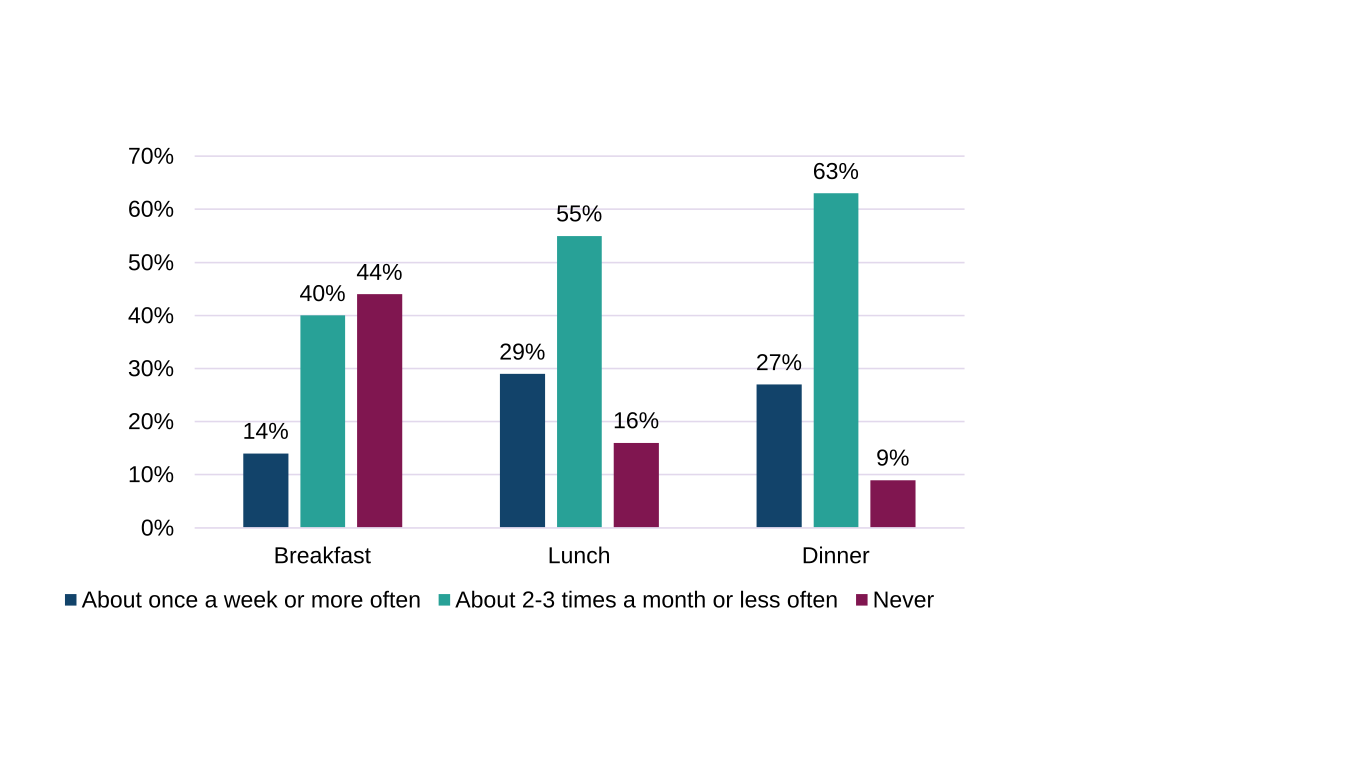
Here is a visual only chart of: A grouped bar chart shows the frequency respondents eat out by mealtimes including breakfast, lunch, and dinner. Breakfast: 44% never, 40% about 2–3 times a month or less often, 14% about once a week or more. Lunch: 16% never, 55% about 2–3 times a month or less, 29% about once a week or more. Dinner: 9% never, 63% about 2–3 times a month or less, 27% about once a week or more.
Please find more information provided in the detailed description and/or table below.
A grouped bar chart shows the frequency respondents eat out by mealtimes including breakfast, lunch, and dinner. Breakfast: 44% never, 40% about 2–3 times a month or less often, 14% about once a week or more. Lunch: 16% never, 55% about 2–3 times a month or less, 29% about once a week or more. Dinner: 9% never, 63% about 2–3 times a month or less, 27% about once a week or more.
Source: Food and You 2 Wave 10 (Scotland)
Respondents were asked how often they ate out or bought food to take out for breakfast, lunch, and dinner [25] (Figure 5).
Respondents were least likely to eat out or buy food to take out for breakfast, with 44% of respondents never doing this, compared to 54% who did (14% eat out or buy a takeaway about once a week or more often, and 40% about 2-3 times a month or less often).
Eating out or buying food to take out for lunch was commonplace among respondents with 84% reporting doing this (55% doing this 2-3 times a month or less often and 29% doing this about once a week or more often) compared to 16% who never eat out or buy a takeaway for lunch.
Also commonplace was eating out or buying food to take out for dinner with 90% doing this (63% doing this 2-3 times a month or less often and 27% doing this about once a week or more often) compared to 9% who never did this.
3.3 Factors considered when eating out
Respondents were asked which factors, from a given list, they generally considered when deciding where to eat out in restaurants, pubs, bars, cafés, coffee shops or sandwich shops.
Figure 6: Factors considered when deciding to eat out
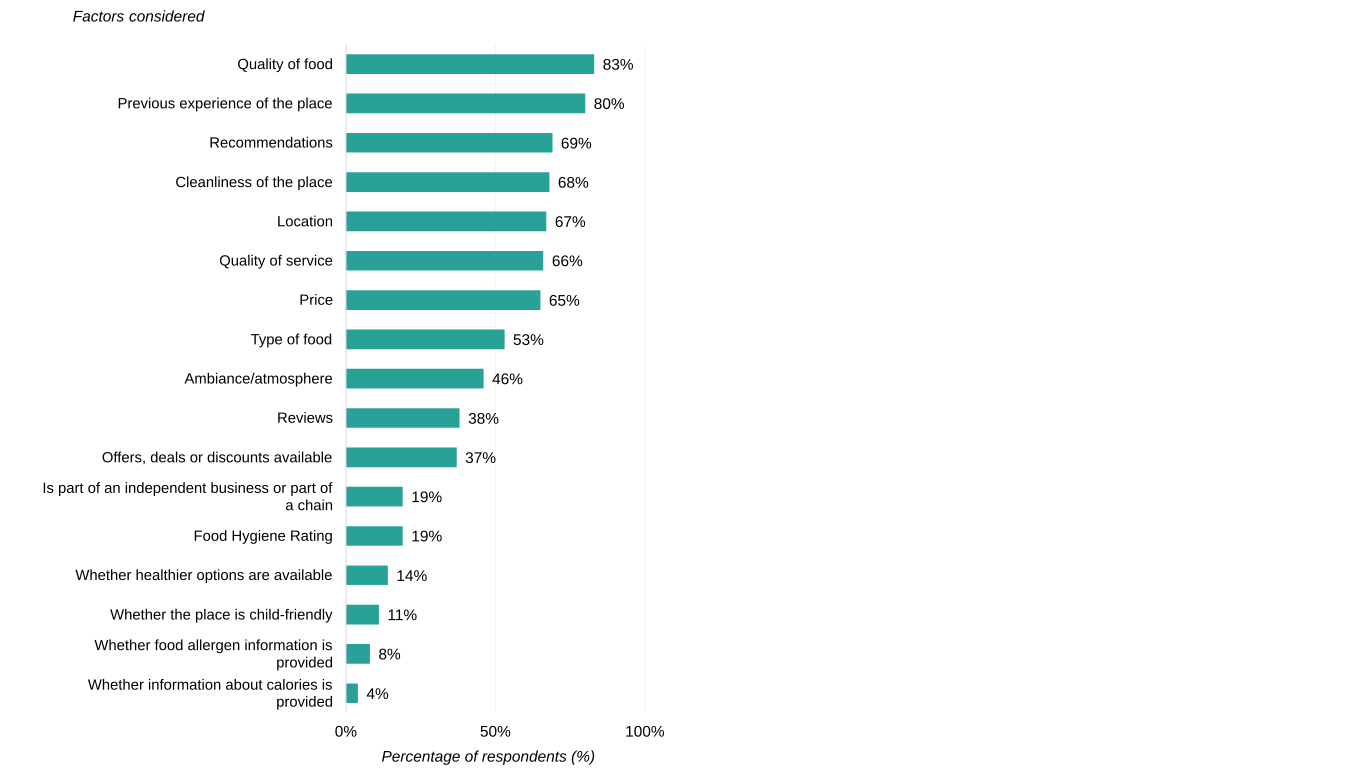
Here is a visual only chart of: A horizontal bar chart ranks factors respondents consider when choosing where to eat out (e.g. in restaurants, pubs/bars, cafés etc.). The top considerations are quality of food (83%) and previous experience (80%), followed by recommendations (69%), cleanliness (68%), location (67%), quality of service (66%), price (65%), and type of food (53%). 19% mention the Food Hygiene Rating system as a factor; fewer respondents consider healthier options, child-friendliness, allergen information, or calorie information (all less than 14%).
Please find more information provided in the detailed description and/or table below.
A horizontal bar chart ranks factors respondents consider when choosing where to eat out (e.g. in restaurants, pubs/bars, cafés etc.). The top considerations are quality of food (83%) and previous experience (80%), followed by recommendations (69%), cleanliness (68%), location (67%), quality of service (66%), price (65%), and type of food (53%). 19% mention the Food Hygiene Rating system as a factor; fewer respondents consider healthier options, child-friendliness, allergen information, or calorie information (all less than 14%).
Source: Food and You 2 Wave 10 (Scotland)
Those who eat out were most likely to consider the quality of food (83%) and their previous experience of the place (80%) when deciding where to eat. Around a fifth (19%) considered the food hygiene rating when deciding where to eat out[26] (Figure 6).
3.4 Factors considered when ordering takeaway
Respondents were asked which factors, from a given list, they generally considered when deciding where to order a takeaway from[27].
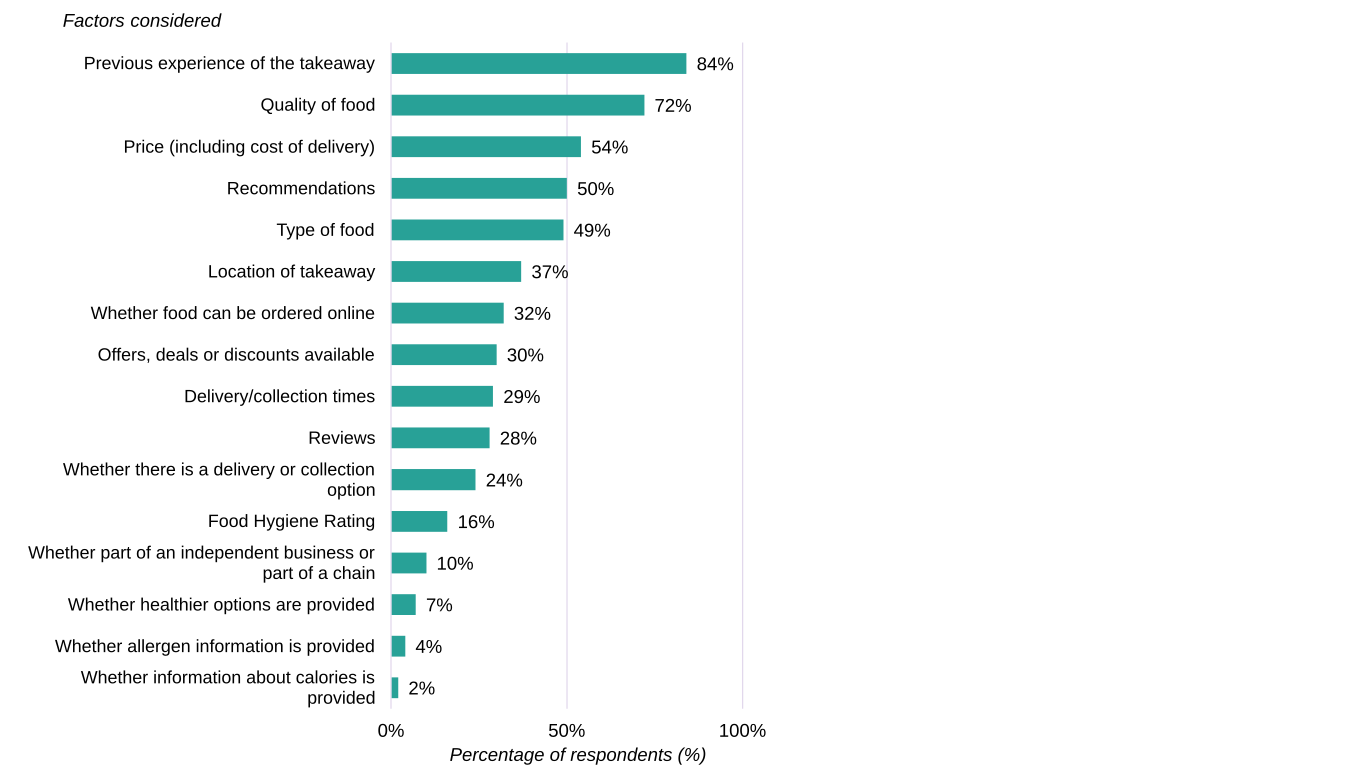
Here is a visual only chart of: A horizontal bar chart shows ranks factors respondents consider when choosing a takeaway. The leading factors are previous experience (84%) and quality of food (72%), followed by price including delivery (54%), recommendations (50%), type of food (49%), location (37%), ability to order online (32%), offers/deals (30%), and delivery/collection times (29%). 16% mentioned the Food Hygiene Rating system as a factor. Calorie and allergen information are the least cited factors (2–4%).
Please find more information provided in the detailed description and/or table below.
A horizontal bar chart shows ranks factors respondents consider when choosing a takeaway. The leading factors are previous experience (84%) and quality of food (72%), followed by price including delivery (54%), recommendations (50%), type of food (49%), location (37%), ability to order online (32%), offers/deals (30%), and delivery/collection times (29%). 16% mentioned the Food Hygiene Rating system as a factor. Calorie and allergen information are the least cited factors (2–4%).
Source: Food and You 2 Wave 10 (Scotland)
Those who order takeaways were most likely to consider their previous experience of the takeaway (84%) and the quality of food (72%) when deciding where to order a takeaway from. Less than a fifth (16%) of respondents considered the food hygiene rating when deciding where to order a takeaway from[28](Figure 7).
References:
[22] Note that supermarkets and convenience stores were not included as separate options (other than under ‘Takeaway - directly from a takeaway, shop or restaurant.’
[23] The questionnaire does not ask about food consumed between main meals (e.g. snacks) and therefore these findings do not represent a complete picture of food likely to be consumed by respondents.
[24] Question: In the last 4 weeks, have you eaten food...? (Select all that apply) Responses: Ordered a takeaway directly from a takeaway shop or restaurant, From a café, coffee shop or sandwich shop (either to eat in or take out), Ordered a takeaway from an online food delivery company (e.g. Just Eat, Deliveroo, Uber Eats), From a fast food outlet (either to eat in or take out), In a restaurant, In a pub/ bar, From a canteen (e.g. at work, school, university, or hospital), From a mobile food van or stall, In a hotel, B&B or guesthouse, From an entertainment venue (e.g. cinema, bowling alley, sports club), From a food-sharing app (e.g. Olio or Too Good To Go), From Facebook Marketplace (e.g. pre-prepared food or meals), None of these. Base = 1306, all online respondents and those answering the ‘Eating Out’ postal questionnaire. Please note, percentages shown do not add up to 100% as multiple responses could be selected.
[25] Question: At the moment, how often, if at all, do you eat out or buy food to take out for…? A) Breakfast, B) Lunch, C) Dinner. Responses: Several times a week, About once a week, About 2-3 times a month, About once a month, Less than once a month, Never, Can’t remember. Base = 911, all online respondents and those answering the ‘Eating Out’ postal questionnaire.
[26] Question: Generally, when you eat out, what do you consider when deciding where to go? Please think about eating out in restaurants, pubs/bars, and cafés/coffee shops/sandwich shops? Responses: Quality of food, My previous experience of the place, Price, Location, Recommendations from family or friends, Cleanliness of the place, Quality of service, Type of food (e. g. cuisine or vegetarian/vegan options), Ambiance/atmosphere, Food Hygiene Rating, Offers, Deals or discounts available, Reviews, e. g. on TripAdvisor, Google or social media, or in newspapers and magazines, Whether it is an independent business or part of a chain, Whether healthier options are available, Whether the place is child-friendly, Whether allergen information is provided, Whether information about calories is provided, None of these, Don't know. Base = 893, all online respondents who eat out.
[27] Including takeaway ordered directly from a takeaway shop or restaurant or via an online food delivery company. Source: Food and You 2 Wave 8 (Scotland)
[28] Question: Generally, when ordering food from takeaways (either directly from a takeaway shop or restaurant or from an online food delivery company like Just Eat, Uber Eats or Deliveroo) what do you consider when deciding where to order from? Responses: My previous experience of the takeaway, Quality of food, Price (including cost of delivery), Type of food (for example cuisine or vegetarian/vegan options), Recommendations from family or friends, Food Hygiene Rating, Location of takeaway, Whether there is a delivery or collection option, Offers, deals or discounts available, Delivery/ collection times, Whether food can be ordered online for example through a website or app, Reviews for example on TripAdvisor, Google, social media, or in newspapers and magazines, Whether it is an independent business or part of a chain, Whether healthier options are provided, Whether allergen information is provided, Whether information about calories is provided, None of these, Don’t know. Base = 790, all online respondents who order takeaways.