
Sampling results
Microbiological testing
There were 614 microbiological samples analysed across eight food types, and only two were unsatisfactory.
- One smoked salmon pâté sample was unsatisfactory due to the detection of the pathogen Listeria monocytogenes.
- One plain flour sample was unsatisfactory due to the detection of Shiga toxin-producing Escherichia coli (STEC).
Chart 1. Microbiological testing results
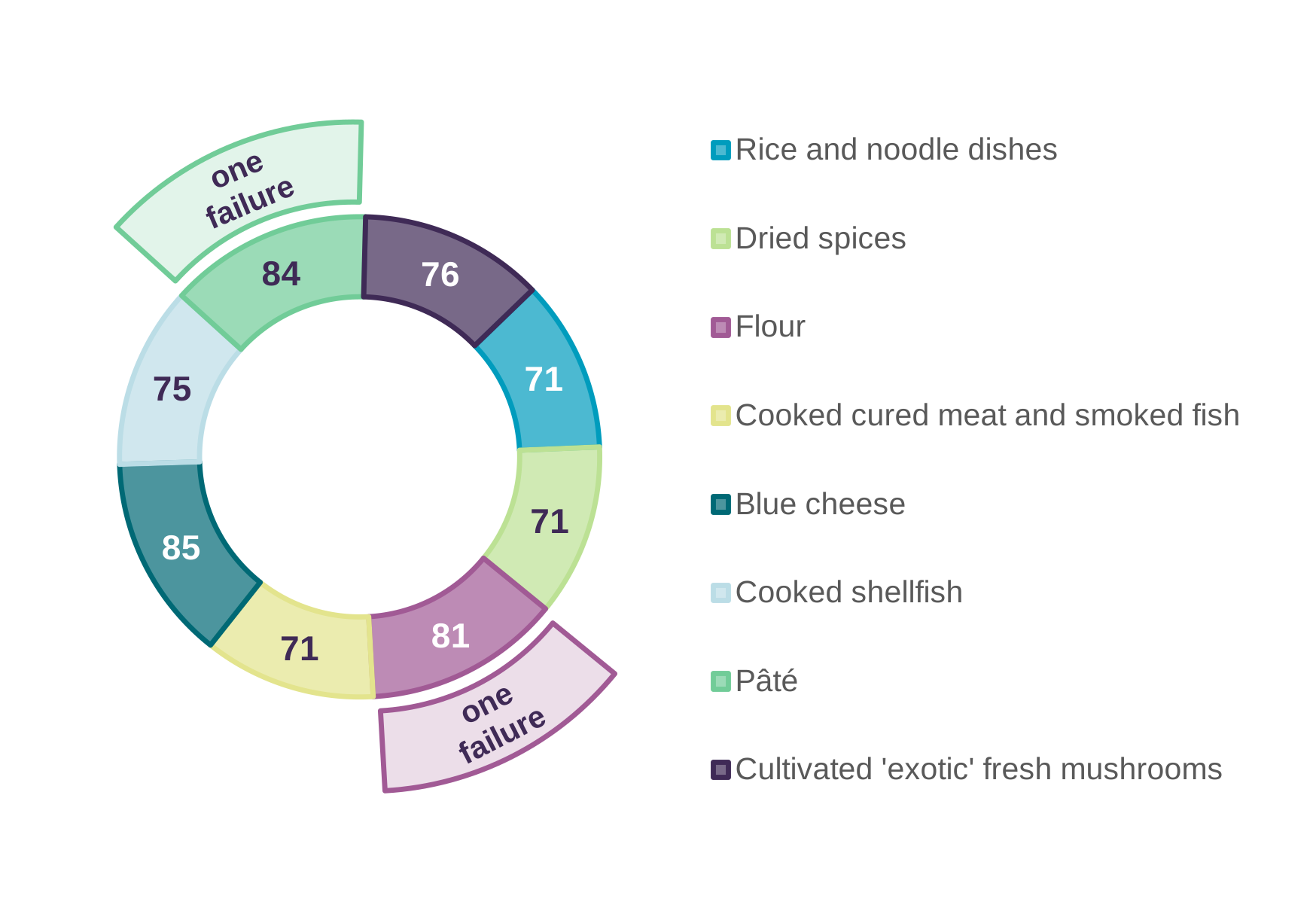
Here is a visual only chart of: Pie chart showing the results of the microbiological samples that were tested. 614 samples were taken from 8 food types: rice and noodle dishes; dried spices; flour; cooked cured meat and smoked fish; blue cheese; cooked shellfish; pâté; and cultivated 'exotic' fresh mushrooms. 2 samples were unsatisfactory: 1 smoked salmon pâté sample was unsatisfactory due to the detection of the pathogen Listeria monocytogenes; and 1 plain flour sample was unsatisfactory due to the detection of Shiga toxin-producing Escherichia coli.
Please find more information provided in the detailed description and/or table below.
| Food type | Number of samples | Failures |
|---|---|---|
| Rice and noodle dishes | 71 | 0 |
| Dried spices | 71 | 0 |
| Flour | 81 | 1 |
| Cooked cured meat and smoked fish | 85 | 0 |
| Blue cheese | 75 | 0 |
| Cooked shellfish | 84 | 1 |
| Pâté | 76 | 0 |
| Cultivated 'exotic' fresh mushrooms | 71 | 0 |
Local authorities took appropriate actions in response to these results to ensure consumers’ health was protected.
Allergen testing
Milk-alternative lattes and egg-free takeaway meals were tested for allergens.
Sampling officers declared they had an allergy when ordering to replicate the experience consumers with an allergies.
Chart 2. Allergen testing results for milk-alternative lattes

Here is a visual only chart of: Pictograph of coffee cups which shows the proportion of milk-alternative lattes which contained a level of milk protein that has the potential to cause an allergic reaction in individuals with a milk allergy. 85% of milk-alternative lattes contained this level of milk protein.
85% of the samples were unsatisfactory
Of the 68 milk-alternative lattes sampled from coffee shops, 85% contained a level of milk protein that has the potential to cause an allergic reaction in individuals with a milk allergy.
Chart 3. Allergen testing results for egg-free takeaway meals

Here is a visual only chart of: Pictograph with takeaway food bags which shows the proportion of egg-free takeaway meals which contained a level of egg protein that has the potential to cause an allergic reaction in individuals with an egg allergy. 14% of the meals sampled contained this level of egg protein.
14% of the samples were unsatisfactory
Of the 70 egg-free take away meals sampled, 14% contained a level of egg protein that has the potential to cause an allergic reaction in individuals with an egg allergy.
Chemical testing
There were 303 chemical samples collected across four food types. Overall, the number of unsatisfactory results was very low.
Chart 4. Chemical testing results
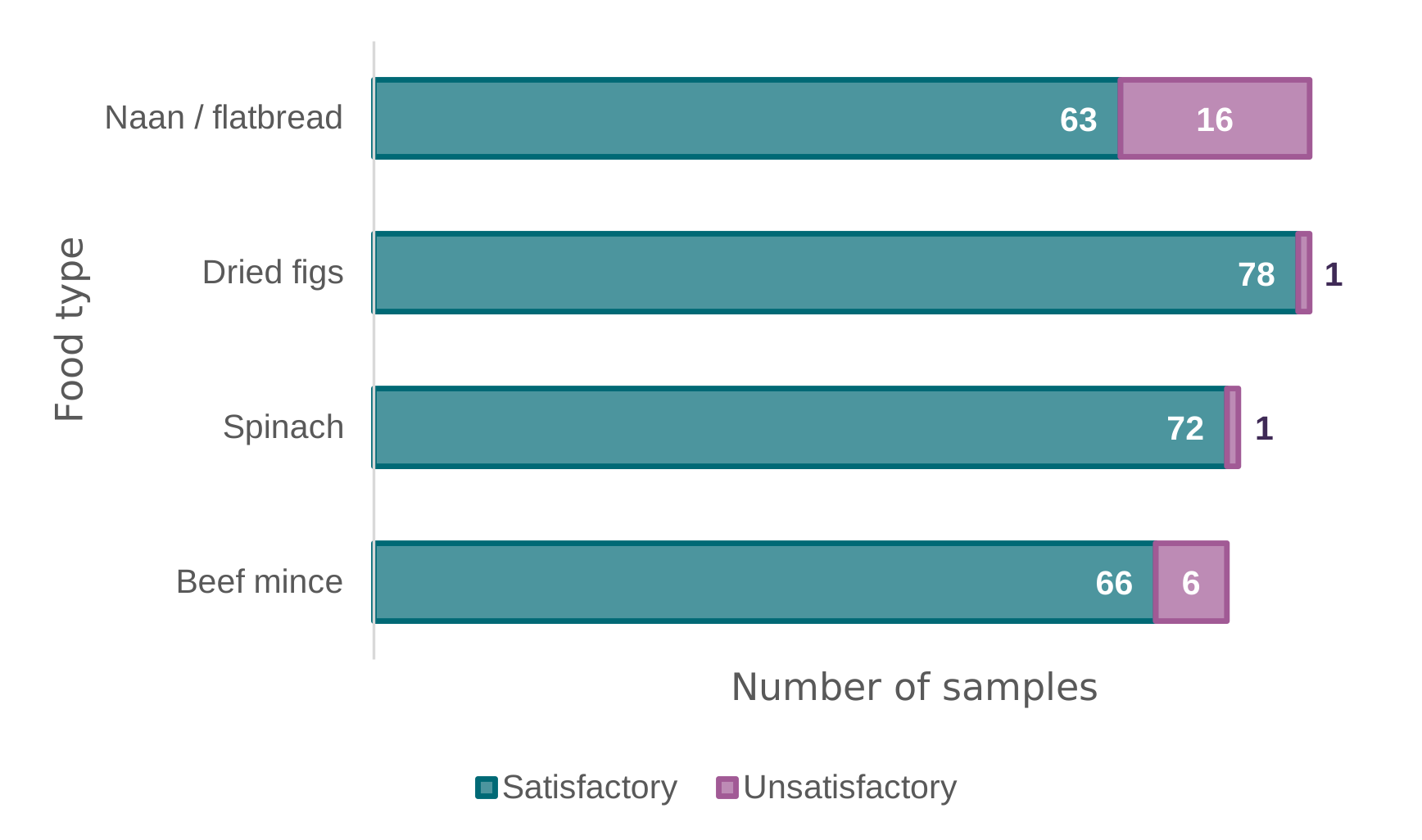
Here is a visual only chart of: Stacked bar chart showing the results of the chemical testing. 303 chemical samples were collected across 4 food types: naan and flatbreads; dried figs; spinach; beef mince. Overall, the number of unsatisfactory results was very low and local authorities took the necessary steps to protect consumers.
Please find more information provided in the detailed description and/or table below.
| Food type | Satisfactory results | Unsatisfactory results |
|---|---|---|
| Naan / flatbread | 63 | 16 |
| Dried figs | 78 | 1 |
| Spinach | 72 | 1 |
| Beef mince | 66 | 6 |
- Naan and flatbread: 16 samples (20%) had high levels of the preservative propionic acid. These results indicate that the preservative was used in excess, but it does not pose a health risk to consumers.
- Dried figs: 1 sample contained a mycotoxin above the legal limit.
- Spinach: 1 sample contained cadmium above the legal limit.
- Beef mince: 6 samples (9%) had more fat than stated on the label. These results indicate manufacturing issues, but the products are still safe to eat.
Local authorities took appropriate actions in response to these results to ensure consumers’ health was protected.
Food authenticity testing
160 frozen processed pork products and frozen processed beef products were tested for the presence of other undeclared meat species. All samples were satisfactory.